DAAORA home · Rose library · Community
Roses beginning with V
A · B · C · D · E · F · G · H · I · J · K · L · M · N · O · P · Q · R · S · T · U · V · W · X · Y · Z · other names
Breeder: Brownell family. Type: Hybrid Tea. Colour: Yellow. Scent: Strong. USDA zones: 4-9.
Full sun in a sheltered spot; rich, well-drained soil with spring mulch; prune in late winter, keeping a tall framework; feed in spring and after the first flush; deadhead for repeat flowering; watch for blackspot and mildew in damp UK summers.
Breeder: Louis Lens. Year: 1963. Type: Floribunda. USDA zones: 5-9.
Plant in full sun in fertile, well-drained soil; prune in late winter, feed in spring and deadhead spent clusters for repeat flowering, and mulch in autumn. Give good air flow and watch for black spot in damp summers.
Breeder: Dominique Massad. Year: Before 2009. Type: Floribunda. Scent: Strong. USDA zones: 6-9.
Plant in full sun in fertile, free-draining soil; mulch in spring, feed with rose fertiliser, prune in late winter and deadhead for repeat flowering; good air flow helps prevent disease in the UK climate.
Breeder: Pedro Dot. Year: 1956. Type: Floribunda. Colour: Red. USDA zones: 6-9.
Plant in full sun in fertile, humus-rich, moist but well-drained soil; mulch in late winter; feed with rose fertiliser in spring and again in early summer; prune in late winter; deadhead for repeat flowering; good air flow helps prevent disease in the UK climate.
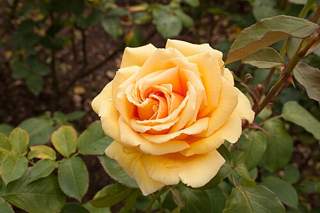
Breeder: Tantau. Year: 1989. Type: Floribunda. Colour: Amber-yellow. Scent: Light. USDA zones: 6-9.
Needs full sun and a sheltered spot in the UK. Plant in rich, moisture-retentive but free-draining soil, feed in spring and deadhead for repeat flowering.
Breeder: Zinaida Klimenko. Year: 2008. Type: Grandiflora. Colour: Cherry-red and golden-cream (bicolour).
Full sun in a warm, sheltered spot; fertile well-drained soil. Bred for the warm Crimea, so in the UK give winter protection in colder areas and prune in spring once frost risk has passed.
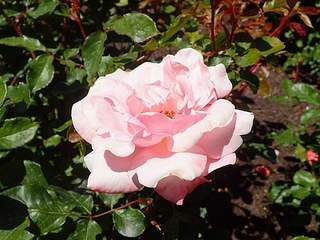
Breeder: Herbert C. Swim. Year: 1950. Type: Floribunda. Colour: Crimson. Scent: Mild. USDA zones: 5b-9b.
Plant in full sun in fertile, well-drained soil; prune in late winter, feed in spring and deadhead spent clusters for repeat flowering, and mulch in autumn. Give good air flow and watch for black spot in damp summers.
Breeder: de Ruiter. Year: Unknown. Type: Floribunda. Colour: Red-pink. Scent: Light. USDA zones: 6b-9b.
Plant in full sun in fertile, well-drained soil; deadhead spent clusters regularly, feed in spring and early summer, water in dry spells and prune lightly in late winter for continuous flowering.
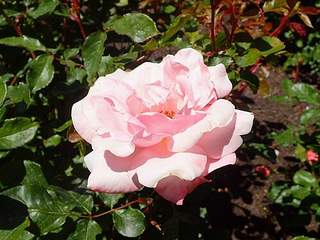
Breeder: Dickson. Year: 1985. Type: Floribunda. Colour: Pale pink. Scent: Moderate. USDA zones: 5-9.
Plant in full sun in fertile, well-drained soil; prune in late winter, feed in spring and deadhead spent clusters for repeat flowering, and mulch in autumn. Give good air flow and watch for black spot in damp summers.
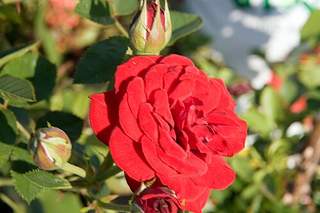
Breeder: Tom Carruth. Year: 2002. Type: Climbing. Colour: Dark red. Scent: Mild. USDA zones: 6b-10b.
Train over a wall, arch or pergola in full sun in fertile, well-drained soil; tie in new growth, prune out old flowered wood after flowering, feed in spring and mulch in autumn.
Breeder: Tom Carruth. Year: 2004. Type: Miniflora (Climbing). Colour: Dark red. Scent: Light. USDA zones: 5-9.
Plant in full sun in fertile, well-drained soil; a climbing miniflora — train on a fence, pillar or arch, prune lightly in late winter, feed in spring and deadhead for repeat flowering; mulch in cold winters.
Breeder: Barni. Type: Hybrid Tea. Colour: Red. USDA zones: 5-9.
Plant in full sun in fertile, well-drained soil in a sheltered UK spot; prune in late winter, feed in spring and deadhead for repeat flowering, and mulch in autumn, protecting the graft union in colder areas. Give good air flow and watch for black spot and mildew in damp summers.
Breeder: Bill Allender. Year: 2001. USDA zones: 5-9.
Plant in full sun in fertile, well-drained soil; feed in spring, prune in late winter, deadhead for repeat flowering and mulch in autumn; watch for black spot and mildew.
Breeder: Alister Clark. Year: 1940. Type: Hybrid Tea. Colour: Deep pink. USDA zones: 6-9.
Lost to cultivation - no plants in commerce and no reliable UK care record survives; listed for reference only, so no care details are given rather than inventing them.
Breeder: Bob Matthews. Colour: Pure yellow. Scent: Light. USDA zones: 6-9.
Plant in full sun in fertile well-drained soil in a sheltered UK spot; feed in spring and deadhead for repeat flowering; mulch in autumn as it prefers warmer gardens.
Breeder: Eugene S. Boerner. Year: 1948. Type: Hybrid Tea. Colour: Red. Scent: Strong. USDA zones: 6b-9b.
Plant in full sun in fertile, well-drained soil in a sheltered UK spot; prune in late winter, feed in spring and deadhead for repeat flowering, and mulch in autumn, protecting the graft union in colder areas. Give good air flow and watch for black spot and mildew in damp summers.
Breeder: W. Millington. Year: 2008. Type: Miniflora. USDA zones: 5-9.
Plant in full sun in fertile, well-drained soil; a compact miniflora for pots and small borders — prune lightly in late winter, feed in spring and deadhead for repeat flowering; mulch in cold winters.
Breeder: Dominique Massad. Year: 2013. Type: Rambler. Scent: Light. USDA zones: 6-9.
Plant in full sun in fertile, free-draining soil against a wall, fence or pergola; tie in growth, mulch in spring, feed with rose fertiliser and prune after flowering for once-flowering types or in late winter for repeat-flowering types; good air flow helps prevent disease in the UK climate.
Breeder: Tantau. Year: 2000. Type: Climber. Colour: White. Scent: Moderate. USDA zones: 5-9.
Train on a sunny wall, fence, arch or pergola in fertile, well-drained soil; tie canes as horizontally as possible for more flowers, prune lightly in late winter, deadhead for repeat flowering, feed in spring and mulch in autumn.
Breeder: M. S. Viraraghavan. Type: Hybrid Tea. USDA zones: 7-9.
Plant in full sun in a warm, sheltered spot in fertile, free-draining soil; mulch in spring, feed with rose fertiliser, prune lightly in late winter and deadhead for repeat flowering; protect from hard frost in colder UK areas, as warm-climate roses are less hardy in the UK.
Breeder: M. S. Viraraghavan. Year: 1978. Type: Floribunda. Colour: Orchid-lavender. USDA zones: 7-9.
Plant in full sun in a warm, sheltered spot in fertile, free-draining soil; mulch in spring, feed with rose fertiliser, prune lightly in late winter and deadhead for repeat flowering; protect from hard frost in colder UK areas, as warm-climate roses are less hardy in the UK.
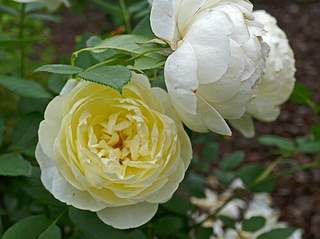
Breeder: Ludwig Taschner. Type: Hybrid Tea. Colour: Cherry-red. USDA zones: 6-9.
Plant in full sun in fertile, humus-rich, moist but well-drained soil; mulch in late winter; feed with rose fertiliser in spring and again in early summer; prune in late winter; good air flow helps prevent disease in the UK climate.
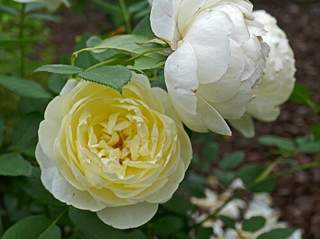
Breeder: David Austin. Year: 2017. Type: English Shrub Rose. Colour: Pale yellow. Scent: Medium Tea. USDA zones: 5-9.
Needs 6+ hours of sun in fertile moist but well-drained soil with mulch; water well in dry spells, prune in late winter/early spring by about a third, and watch for black spot and mildew. Fully frost-hardy in the UK.
Breeder: Meilland. Year: 2006. Type: Shrub.
Plant in full sun in fertile, well-drained soil with room to grow; prune lightly in late winter, feed in spring and mulch in autumn. Give good air flow and watch for black spot in damp summers.
Breeder: Louis Lens. Year: 1999. Type: Floribunda. Colour: Cream. USDA zones: 5-9.
Plant in full sun in fertile, well-drained soil; prune in late winter, feed in spring and deadhead spent clusters for repeat flowering, and mulch in autumn. Give good air flow and watch for black spot in damp summers.
Breeder: Meilland. Year: 2004. Type: Shrub. Colour: Cream. Scent: Mild. USDA zones: 6-9.
Plant in full sun in fertile, well-drained soil with room to grow; prune lightly in late winter, feed in spring and mulch in autumn. Give good air flow and watch for black spot in damp summers.
Breeder: Keith Zary. Year: 2000. Type: Hybrid Tea. Colour: White. Scent: Strong. USDA zones: 5-9.
Plant in full sun in fertile well-drained soil; feed in spring, deadhead for repeat flowering and prune in late winter, with good air flow to limit blackspot in damp UK summers.
Breeder: Meilland. Year: 2006. Type: Shrub. Colour: Pink-white. Scent: Mild. USDA zones: 5-9.
Plant in full sun in fertile well-drained soil with room to grow; prune lightly in late winter, feed in spring, and deadhead for repeat Pink-white flowering. Give at least 6 hours of sun a day in fertile, humus-rich, moist but well-drained soil in a sheltered UK spot.
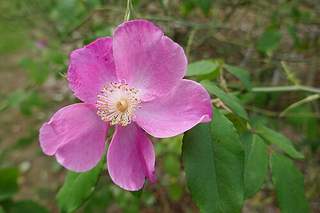
Breeder: Pemberton. Year: 1920. Type: Shrub. Colour: Pink. Scent: Strong. USDA zones: 5-9.
Full sun (6+ hours) in fertile, moist but well-drained soil in a sheltered UK spot; mulch in spring, feed in spring and early summer, and water in dry spells. Prune lightly in late winter, removing dead and crossing wood, and deadhead for repeat flowering.
Breeder: NIRP International. Type: Spray rose. Colour: Bright orange.
Cut-flower rose bred for warm-climate greenhouse production (Kenya, Ecuador and Colombia); not a hardy UK garden rose — in the UK grow under glass or enjoy as cut florist roses; do not expect outdoor hardiness.
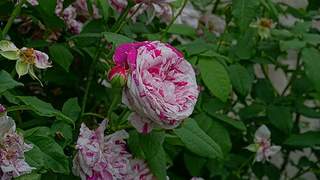
Breeder: Unknown. Year: pre-1830. Type: Centifolia. Colour: Pink striped. Scent: Moderate. USDA zones: 4-9.
Once-flowering in early summer. Full sun in rich, well-drained soil; lax canes may need support. Prune after flowering, removing old wood; mulch in spring and give good air flow to limit mildew.
Breeder: Barni. Type: Shrub. Colour: Orange / Pink. USDA zones: 5-9.
Plant in full sun in fertile, well-drained soil; this hardy shrub needs little winter protection in most of the UK - mulch in autumn, prune lightly in late winter, feed in spring and deadhead for repeat flowering.
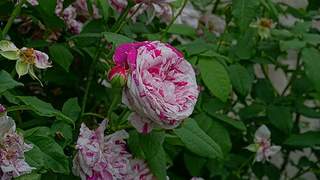
Breeder: Unknown. Year: 1909. Type: Bourbon. Colour: Pink striped crimson. Scent: Strong. USDA zones: 5-10.
Repeat-flowering Bourbon, introduced after 1900 but of the old Bourbon class. Full sun in fertile, well-drained soil; prune in late winter, feed in spring, deadhead regularly; watch for black spot and mildew in damp UK summers.
Breeder: Harkness. Year: 1997. Type: Floribunda. Colour: Pink. Scent: Moderate. USDA zones: 6-9.
Plant in full sun in fertile, well-drained soil. Feed in spring and midsummer; water in dry spells. Deadhead clusters to keep flowers coming. Prune lightly in late winter, shaping the bush and removing dead wood. Mulch in spring. Generally disease-resistant, but watch for black spot in wet seasons.
Breeder: Hermann Kiese. Year: 1922. USDA zones: 5–9.
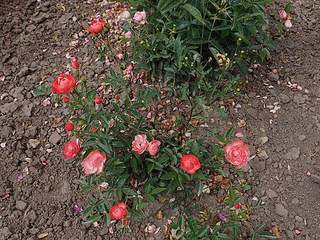
Breeder: Tantau. Year: 1959. Type: Polyantha. Scent: None. USDA zones: 6-9.
Plant in full sun in fertile, well-drained soil; prune lightly in late winter, feed in spring, deadhead spent clusters for repeat flowering and mulch in autumn. Give good air flow and watch for black spot in damp summers.
Breeder: Tom Carruth. Year: 2004. Type: Floribunda. Colour: Orange and yellow. Scent: Moderate. USDA zones: 6b-9b.
Plant in full sun in fertile, well-drained soil; prune in late winter, feed in spring and deadhead spent clusters for repeat flowering, and mulch in autumn. Give good air flow and watch for black spot in damp summers.
Breeder: NIRP International. Type: Hybrid Tea. Scent: Fragrant. USDA zones: 5-9.
Plant in full sun in fertile, humus-rich, moist but well-drained soil; mulch in late winter; feed with rose fertiliser in spring and again in early summer; prune in late winter and deadhead for repeat flowering; good air flow helps prevent disease in the UK climate.

Breeder: Sadazo Yoshiike. Year: 2026. Type: Shrub. USDA zones: 5-9.
Full sun; fertile well-drained soil; water and feed through the growing season; mulch in spring; prune in late winter/early spring; deadhead to encourage repeat flowering.
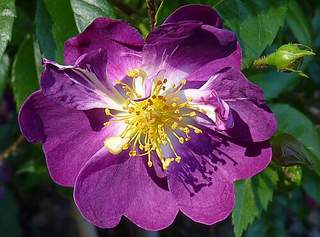
Breeder: Kiese. Year: 1909. Type: Rambler. Colour: Mauve-violet. Scent: Strong. USDA zones: 5b-9b.
Bred by Hermann Kiese, introduced by J. C. Schmidt; near-thornless rambler, sweet fruity scent, train on a wall or pergola. Full sun in fertile, well-drained soil; train over an arch, pergola or wall and tie in new growth. Prune out old flowered wood after its summer flush; hardy in most of the UK.

Breeder: Meilland. Year: 2011. Type: Hybrid Tea. Colour: Deep pink. Scent: Strong. USDA zones: 5-9.
Plant in full sun in fertile well-drained soil; prune in late winter, feed in spring, and deadhead for repeat Deep pink blooms. Give at least 6 hours of sun a day in fertile, humus-rich, moist but well-drained soil in a sheltered UK spot.

Breeder: Meilland. Year: 2010. Type: Hybrid Tea. Scent: Strong.
Plant in full sun (6+ hours) in fertile, well-drained soil in a sheltered UK spot; prune in late winter to outward-facing buds, feed in spring, deadhead for repeat flowering and mulch in autumn. Give good air flow and watch for black spot and mildew in damp summers.
Breeder: Fryer. Year: 1985. Type: Hybrid Tea. Colour: Deep red. Scent: Strong. USDA zones: 5-10.
Plant in full sun in rich, well-drained soil with plenty of organic matter. Feed in spring and again in midsummer; water well in dry spells. Prune hard in late winter, cutting back to 3-5 buds. Deadhead spent blooms to encourage repeat flowering. Spray for black spot and mildew in damp UK summers; mulch in autumn.
Breeder: W. Lourens. Year: 1908. Type: Hybrid Tea. Colour: Dark brilliant carmine-pink, transparent centre with golden yellow. Scent: Not.
Full sun; fertile well-drained soil; water and feed through the growing season; mulch in spring; prune in late winter/early spring; deadhead to encourage repeat flowering.
Breeder: NIRP International. Type: Hybrid Tea. USDA zones: 5-9.
Plant in full sun in fertile, humus-rich, moist but well-drained soil; mulch in late winter; feed with rose fertiliser in spring and again in early summer; prune in late winter; good air flow helps prevent disease in the UK climate.
Breeder: Motohito Furuya. Year: 2025. Type: Shrub. Colour: Bright reddish-purple. Scent: Damask-Modern. USDA zones: 6-9.
No published care record
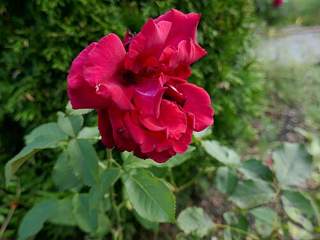
Breeder: Fryer. Year: Before 1985. Type: Hybrid Tea. Colour: Deep red. Scent: Strong. USDA zones: 6b-9b.
Substitute for Golden Beauty (Kordes, not Fryer). Full sun, sheltered, in fertile, well-drained soil; prune in late winter and feed for repeat flowering.
Breeder: Brownell family. Type: Hybrid Tea. Colour: Red. Scent: Mild. USDA zones: 4-9.
Full sun in a sheltered spot; rich, well-drained soil with spring mulch; prune in late winter, keeping a tall framework; feed in spring and after the first flush; deadhead for repeat flowering; watch for blackspot and mildew in damp UK summers.
Breeder: Shinji Kawai. Type: Floribunda. Colour: Pink and red. USDA zones: 6-9.
Plant in full sun (6+ hours) in fertile, free-draining soil; mulch in spring, feed with rose fertiliser, prune in late winter and deadhead for repeat flowering; give good air flow and watch for black spot and mildew in the UK climate.
Breeder: Poulsen. Type: Miniflora. USDA zones: 5-9.
Grow in a pot or at the front of a border in full sun in free-draining compost; water pots in dry weather, feed through summer, prune lightly in late winter and protect pots from hard frost.
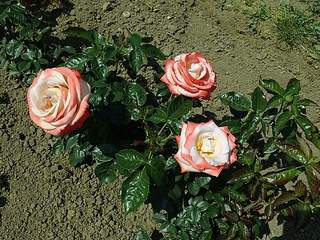
Breeder: NIRP International. Type: Hybrid Tea. USDA zones: 5-9.
Plant in full sun in fertile, humus-rich, moist but well-drained soil; mulch in late winter; feed with rose fertiliser in spring and again in early summer; prune in late winter; good air flow helps prevent disease in the UK climate.
Breeder: Tantau. Year: 1996. Type: Hybrid Tea. Scent: None. USDA zones: 7-9.
Plant in full sun (6+ hours) in fertile, well-drained soil in a sheltered UK spot; prune in late winter to outward-facing buds, feed in spring, deadhead for repeat flowering and mulch in autumn. Give good air flow and watch for black spot and mildew in damp summers.
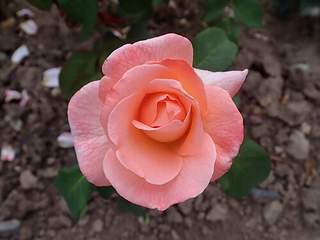
Breeder: Ludvík Venena. Year: 1973. USDA zones: 5–9.
Full sun in fertile, well-drained soil; prune in late winter, feed in spring and deadhead for repeat flowering; hardy in most of the UK.
Breeder: Noack. Year: 2003. Type: Groundcover. Colour: White. Scent: Slight. USDA zones: 5-9.
Full sun in free-draining soil; disease-resistant groundcover for borders and containers, needing only spring mulch and a light trim in the UK.
Breeder: Dominique Massad. Year: 2009. Type: Shrub. Colour: Magenta-purple. Scent: Strong, Damask. USDA zones: 6-9.
Plant in full sun in fertile, free-draining soil; mulch in spring, feed with rose fertiliser, prune in late winter and deadhead for repeat flowering; good air flow helps prevent disease in the UK climate.
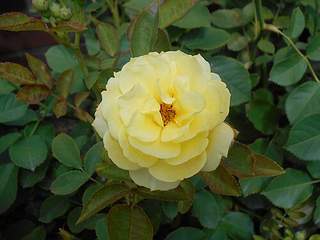
Breeder: Nicola Welter. Year: 1904. USDA zones: 5–9.
Breeder: Dickson. USDA zones: 5-9.
Breeder: P. Chessum. Type: Miniflora. Colour: Medium pink. Scent: Light. USDA zones: 5-9.
Plant in full sun in fertile, well-drained soil; a compact miniflora for pots and small borders — prune lightly in late winter, feed in spring and deadhead for repeat flowering; mulch in cold winters.
Breeder: Star Roses. Type: Shrub. USDA zones: 5-9.
Full sun; rich, well-drained soil with spring mulch; light pruning in late winter, removing dead and weak wood; feed in spring; deadhead to encourage repeat flowering; watch for blackspot in damp UK summers.
Breeder: Kordes. Year: 2023. Type: Floribunda. Colour: Lavender-purple. USDA zones: 5-9.
Plant in full sun in fertile, humus-rich, moist but well-drained soil; mulch in late winter; feed with rose fertiliser in spring and again in early summer; prune in late winter; good air flow helps prevent disease in the UK climate.
Breeder: Josep Padrosa. Year: 1937. Colour: Red. USDA zones: 6-9.
Plant in full sun in fertile, humus-rich, moist but well-drained soil; mulch in late winter; feed with rose fertiliser in spring and again in early summer; prune in late winter; deadhead for repeat flowering; good air flow helps prevent disease in the UK climate.
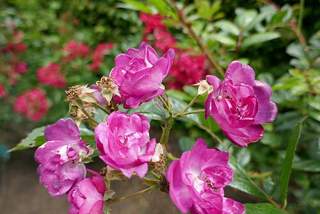
Breeder: Louis Lens. Year: 1984. Type: Hybrid Musk. Colour: Mauve-white. Scent: Light. USDA zones: 5-9.
Plant in full sun or light shade in fertile well-drained soil; prune lightly after flowering and feed in spring for repeat mauve-tinted clusters.
Breeder: Josef Strnad. Year: 2005. USDA zones: 5–9.
Full sun in fertile, well-drained soil; prune in late winter, feed in spring and deadhead for repeat flowering; hardy in most of the UK.
Breeder: F. & B. Wright. Year: 2010. Type: Miniflora. Colour: Pink blend. USDA zones: 5-9.
Plant in full sun in fertile, well-drained soil; a compact miniflora for pots and small borders — prune lightly in late winter, feed in spring and deadhead for repeat flowering; mulch in cold winters.
Breeder: Dickson. Year: 1912. USDA zones: 5-9.
Type: Miniflora. USDA zones: 5-9.
Plant in full sun in fertile, well-drained soil; a compact miniflora for pots and small borders — prune lightly in late winter, feed in spring and deadhead for repeat flowering; mulch in cold winters.
Breeder: Meilland. Year: 2005. Type: Hybrid Tea. Scent: Strong. USDA zones: 6-9.
Plant in full sun (6+ hours) in fertile, well-drained soil in a sheltered UK spot; prune in late winter to outward-facing buds, feed in spring, deadhead for repeat flowering and mulch in autumn. Give good air flow and watch for black spot and mildew in damp summers.
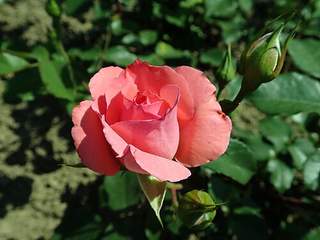
Breeder: Noack. Year: 1992. Type: Floribunda. Colour: Pink. Scent: Light. USDA zones: 5b-9b.
Full sun for 6+ hours in fertile, moist but well-drained soil; mulch in spring and feed for its heavy flowering, watering in dry spells. Prune lightly in late winter or early spring and deadhead regularly; good disease resistance in most modern floribundas, but still watch for black spot; hardy in most of the UK.
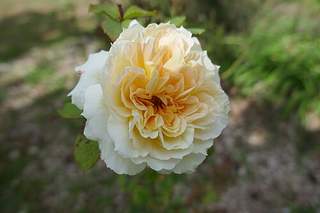
Breeder: Dominique Massad. Year: 2001. Type: Shrub. Scent: Moderate. USDA zones: 6-9.
Plant in full sun in fertile, free-draining soil; mulch in spring, feed with rose fertiliser, prune in late winter and deadhead for repeat flowering; good air flow helps prevent disease in the UK climate.
Breeder: Dominique Massad. Year: 1992. Type: Shrub. Scent: Moderate. USDA zones: 6-9.
Plant in full sun in fertile, free-draining soil; mulch in spring, feed with rose fertiliser, prune in late winter and deadhead for repeat flowering; good air flow helps prevent disease in the UK climate.
Breeder: Ludwig Taschner. Type: Hybrid Tea. Colour: Fuchsia. Scent: Fragrant. USDA zones: 6-9.
Plant in full sun in fertile, humus-rich, moist but well-drained soil; mulch in late winter; feed with rose fertiliser in spring and again in early summer; prune in late winter; good air flow helps prevent disease in the UK climate.
Breeder: McGredy. Year: 1923. Type: Hybrid Tea. USDA zones: 5-9.

Breeder: Keith Zary. Year: 1999. Type: Hybrid Tea. Colour: Dark red. Scent: Mild raspberry. USDA zones: 6b-9.
Grow in a sunny, sheltered bed in rich, well-drained soil for large dark red blooms on long stems. Feed in spring, prune in late winter and mulch for winter protection.

Breeder: Ketten Frères. Year: 1932.
Breeder: Fryer. Year: 2015. Type: Floribunda. Colour: Chocolate-brown. Scent: Moderate. USDA zones: 5-9.
Plant in full sun in fertile, well-drained soil. Feed in spring and midsummer; water in dry spells. Deadhead clusters to keep flowers coming. Prune lightly in late winter, shaping the bush and removing dead wood. Mulch in spring. Generally disease-resistant, but watch for black spot in wet seasons.
Breeder: R. Tucker. Year: 2006. Type: Miniflora. Colour: Red blend. USDA zones: 5-9.
Plant in full sun in fertile, well-drained soil; a compact miniflora for pots and small borders — prune lightly in late winter, feed in spring and deadhead for repeat flowering; mulch in cold winters.
Breeder: Delbard. Type: Floribunda. USDA zones: 6-9.
Plant in full sun in fertile, free-draining soil; mulch in spring, feed with rose fertiliser, deadhead for repeat flowering and prune in late winter; good air flow helps prevent disease in the UK climate.
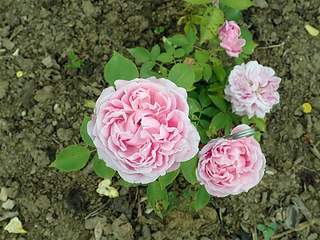
Breeder: Unknown. Year: 1891. Type: Hybrid Perpetual. Colour: Pink striped. Scent: Moderate. USDA zones: 4-9.
Repeat-flowering, often with a big summer flush and autumn repeat. Vigorous; full sun in rich, well-drained soil, fed well in spring. Prune in late winter, deadhead regularly, and watch for mildew and black spot in damp summers.
Breeder: Schreurs. Type: Garden rose. Colour: White. USDA zones: 5-9.
Mainly a cut-flower trade variety; in the garden give full sun, fertile well-drained soil, shelter and winter protection.

Breeder: Ketten Frères. Year: 1921. Type: Hybrid Tea. USDA zones: 5-9.
Breeder: Unknown. Year: 1856. Type: Hybrid Perpetual. Colour: Pink. Scent: Strong. USDA zones: 4-9.
Repeat-flowering, often with a big summer flush and autumn repeat. Vigorous; full sun in rich, well-drained soil, fed well in spring. Prune in late winter, deadhead regularly, and watch for mildew and black spot in damp summers.
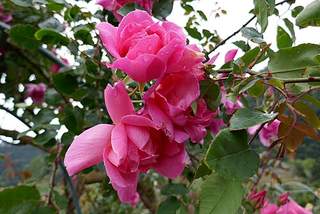
Breeder: Unknown. Year: pre-1830. Type: Centifolia. Colour: Pink. Scent: Moderate. USDA zones: 4-9.
Once-flowering in early summer. Full sun in rich, well-drained soil; lax canes may need support. Prune after flowering, removing old wood; mulch in spring and give good air flow to limit mildew.
Breeder: Unknown. Year: pre-1850. Type: Noisette. Colour: Pink. Scent: Moderate. USDA zones: 6-10.
Repeat-flowering climber. Warm, sunny, sheltered wall in fertile, well-drained soil; tender in cold areas, so mulch in autumn. Train and tie in new growth, prune lightly in late winter, and deadhead for repeat flushes.
Breeder: Unknown. Year: pre-1860. Type: Hybrid Perpetual. Colour: Crimson. Scent: Strong. USDA zones: 4-9.
Repeat-flowering, often with a big summer flush and autumn repeat. Vigorous; full sun in rich, well-drained soil, fed well in spring. Prune in late winter, deadhead regularly, and watch for mildew and black spot in damp summers.
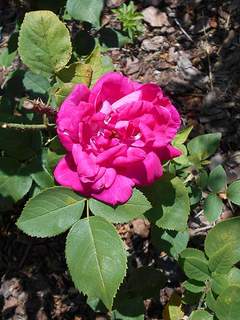
Breeder: Unknown. Year: 1859. Type: Hybrid Perpetual. Colour: Crimson. Scent: Strong. USDA zones: 4-9.
Repeat-flowering, often with a big summer flush and autumn repeat. Vigorous; full sun in rich, well-drained soil, fed well in spring. Prune in late winter, deadhead regularly, and watch for mildew and black spot in damp summers.
Breeder: McGredy. Year: 1923. USDA zones: 5-9.
Breeder: Ludwig Taschner. USDA zones: 6-9.
Plant in full sun in fertile well-drained soil; prune lightly in late winter and feed in spring for repeat flowering.
Breeder: Eric Welsh. Year: 1999. Type: Floribunda. Colour: Deep yellow. Scent: Moderate. USDA zones: 5-10.
Plant in full sun (6+ hours) in fertile, well-drained soil; mulch in spring, feed with rose fertiliser, prune in late winter and deadhead for repeat flowering; give good air flow and watch for black spot and mildew in the UK climate.
Breeder: Eugene S. Boerner. Year: 1977. Type: Floribunda. Colour: Brown-tan blend. USDA zones: 5-9.
Full sun; rich, well-drained soil with spring mulch; light to moderate pruning in late winter; feed in spring and after the first flush; deadhead to encourage repeat flowering; watch for blackspot in damp UK summers.

Breeder: McGredy. Year: 1918. Type: Hybrid Tea. USDA zones: 5-9.
Plant in full sun in fertile, free-draining soil; mulch in spring, feed with rose fertiliser, prune in late winter to an open shape and deadhead for repeat flowering; good air flow helps prevent disease in the UK climate.
Breeder: Percy Wright. Type: Shrub. Colour: Pink. Scent: Strong. USDA zones: 2-9.
Breeder: Pedro Dot. Year: 1962. Type: Hybrid Tea. Colour: Red. USDA zones: 6-9.
Plant in full sun in fertile, humus-rich, moist but well-drained soil; mulch in late winter; feed with rose fertiliser in spring and again in early summer; prune in late winter; deadhead for repeat flowering; good air flow helps prevent disease in the UK climate.
Breeder: Lévêque. Year: 1908. Type: Hybrid Tea. Colour: Cream white, slightly yellowish, passing to pure white.
Full sun; fertile well-drained soil; water and feed through the growing season; mulch in spring; prune in late winter/early spring; deadhead to encourage repeat flowering.
Breeder: Delbard. Year: 2020. Type: Hybrid Tea. Colour: Deep red. Scent: Tea. USDA zones: 5-9.
Full sun; fertile well-drained soil; water and feed through the growing season; mulch in spring; prune in late winter/early spring; deadhead to encourage repeat flowering.
Breeder: Louis Lens. Year: 1980. Type: Polyantha. USDA zones: 5-9.
Plant in full sun in fertile, well-drained soil; prune in late winter, feed in spring and deadhead for repeat flowering, and mulch in autumn.
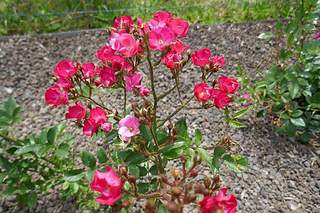
Breeder: Louis Lens. Year: 1992. Type: Shrub. USDA zones: 5-9.
Plant in full sun in fertile, well-drained soil; this hardy shrub needs little winter protection in most of the UK - mulch in autumn, prune lightly in late winter, feed in spring and deadhead for repeat flowering.
Breeder: Alister Clark. Year: 1941. Type: Hybrid Tea. Colour: Dark red. USDA zones: 6-9.
Lost to cultivation - no plants in commerce and no reliable UK care record survives; listed for reference only, so no care details are given rather than inventing them.
Breeder: Pedro Dot. Year: 1953. Type: Hybrid Tea. Colour: Pink Blend. USDA zones: 6-9.
Plant in full sun in fertile, humus-rich, moist but well-drained soil; mulch in late winter; feed with rose fertiliser in spring and again in early summer; prune in late winter; deadhead for repeat flowering; good air flow helps prevent disease in the UK climate.
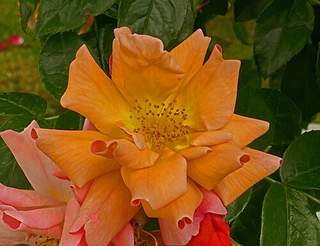
Breeder: Stefan Wagner. USDA zones: 5–9.
Breeder: Vibert. Year: 1839. Type: Centifolia. Colour: Pink striped white. Scent: Moderate. USDA zones: 4-9.
Once-flowering in early summer. Full sun in rich, well-drained soil; lax canes may need support. Prune after flowering, removing old wood; mulch in spring and give good air flow to limit mildew.
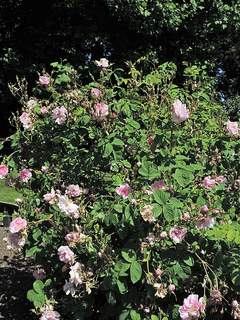
Breeder: Unknown. Year: pre-1830. Type: Gallica. Colour: Pink. Scent: Strong. USDA zones: 4-8.
Once-flowering in early summer. Full sun in fertile, well-drained soil; tolerates poorer soil and some shade, and suckers freely - give it room. Prune lightly after flowering, removing old wood; very hardy and generally healthy in the UK.
Breeder: Pernet-Ducher. Year: 1925. Type: Pernetiana. Colour: Yellow. Scent: Strong. USDA zones: 6b-9b.
Plant in full sun in an open, airy spot in fertile, well-drained soil; Pernetiana roses are prone to mildew, so give good air circulation, feed in spring, water at the base in dry spells and prune in late winter.
Breeder: Eugene S. Boerner. Year: 1966. Type: Hybrid Tea. Colour: Salmon-pink. Scent: Mild. USDA zones: 6b-9.
Plant in full sun in fertile, well-drained soil in a sheltered UK spot; prune in late winter, feed in spring and deadhead for repeat flowering, and mulch in autumn, protecting the graft union in colder areas. Give good air flow and watch for black spot and mildew in damp summers.
Breeder: Poulsen. Year: 2009. Type: Patio. Colour: Pink. Scent: Mild. USDA zones: 5-9.
Full sun in a pot or patio bed in free-draining compost or fertile soil; keep pots watered in dry weather and feed through summer. Prune lightly in late winter and deadhead for repeat flowering; protect pots from hard frost.
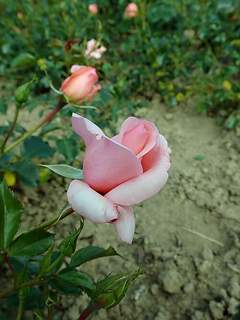
Breeder: Noack. Year: 2000. Type: Floribunda. Colour: Pink. Scent: Light. USDA zones: 5b-9b.
ADR winner. Full sun for 6+ hours in fertile, moist but well-drained soil; mulch in spring and feed for its heavy flowering, watering in dry spells. Prune lightly in late winter or early spring and deadhead regularly; good disease resistance in most modern floribundas, but still watch for black spot; hardy in most of the UK.
Breeder: Geschwind. Year: 1895. Type: Shrub. USDA zones: 4-9.
Breeder: Tantau. Year: 1998. Type: Hybrid Tea. Scent: Mild. USDA zones: 6-9.
Plant in full sun (6+ hours) in fertile, well-drained soil in a sheltered UK spot; prune in late winter to outward-facing buds, feed in spring, deadhead for repeat flowering and mulch in autumn. Give good air flow and watch for black spot and mildew in damp summers.
Breeder: Ludwig Taschner. Type: Hybrid Tea. Colour: Red. USDA zones: 6-9.
Plant in full sun in fertile, humus-rich, moist but well-drained soil; feed in spring, deadhead for repeat flowering and prune in late winter; mulch in autumn.
Breeder: NIRP International. Type: Spray rose.
Cut-flower rose bred for warm-climate greenhouse production (Kenya, Ecuador and Colombia); not a hardy UK garden rose — in the UK grow under glass or enjoy as cut florist roses; do not expect outdoor hardiness.
Breeder: M.M. Gryshko National Botanical Garden. USDA zones: 5–9.
Bred for cold continental winters; full sun in fertile, well-drained soil; feed in spring, prune in late winter and mulch in autumn; hardy in most of the UK.
Breeder: Unknown. Year: pre-1795. Type: Gallica. Colour: Violet-purple. Scent: Strong. USDA zones: 4-8.
Once-flowering in early summer. Full sun in fertile, well-drained soil; tolerates poorer soil and some shade, and suckers freely - give it room. Prune lightly after flowering, removing old wood; very hardy and generally healthy in the UK.
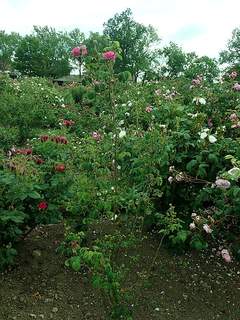
Breeder: Soupert & Notting. Year: 1876. USDA zones: 5-9.

Breeder: McGredy. Year: 1964. Type: Floribunda. Colour: Pink. Scent: Moderate. USDA zones: 5-9.
Plant in full sun in fertile well-drained soil; mulch in spring and deadhead spent clusters for repeat flowering, with good air circulation to reduce blackspot in wet UK summers.
Breeder: Dümmen Orange. Type: Hybrid Tea. Colour: Purple / lavender. USDA zones: 5-9.
Plant in full sun in fertile, humus-rich, moist but well-drained soil; mulch in late winter; feed with rose fertiliser in spring and again in early summer; prune in late winter; good air flow helps prevent disease in the UK climate.
Breeder: Poulsen. Year: 1991. Type: Patio. Colour: Violet. Scent: Mild. USDA zones: 5-9.
Full sun in a pot or patio bed in free-draining compost or fertile soil; keep pots watered in dry weather and feed through summer. Prune lightly in late winter and deadhead for repeat flowering; protect pots from hard frost.
Breeder: Louis Lens. Year: 1975. Type: Shrub. Colour: Purple. USDA zones: 5-9.
Plant in full sun in fertile, well-drained soil; this hardy shrub needs little winter protection in most of the UK - mulch in autumn, prune lightly in late winter, feed in spring and deadhead for repeat flowering.
Breeder: Gail Trimble. Year: 2016. Type: Miniature. Colour: Mauve. USDA zones: 5-9.
Plant in full sun in fertile, well-drained soil; a compact rose for pots and small borders - prune lightly in late winter, feed in spring and deadhead for repeat flowering; mulch in cold winters.
Breeder: Dee Bennett. Year: 1993. Type: Miniflora. Colour: Mauve. Scent: Mild. USDA zones: 5-9.
Plant in full sun in fertile, free-draining soil, in a pot or at the front of a border; mulch in spring, feed with rose fertiliser, prune lightly in late winter and deadhead for repeat flowering; good air flow helps prevent disease in the UK climate.
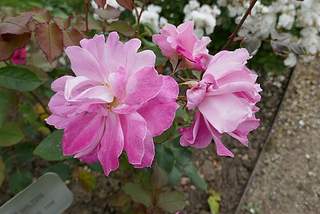
Breeder: Ketten Frères. Year: 1930. USDA zones: 5-9.
Breeder: Christian Bédard. Year: 2017. Type: Floribunda. Colour: Lavender-mauve. Scent: Moderate. USDA zones: 5-9.
Full sun; rich, well-drained soil with spring mulch; light to moderate pruning in late winter; feed in spring and after the first flush; deadhead to encourage repeat flowering; watch for blackspot in damp UK summers.
Breeder: Benetka. Year: 1996. USDA zones: 5–9.
Full sun in fertile, well-drained soil; prune in late winter, feed in spring and deadhead for repeat flowering; hardy in most of the UK.
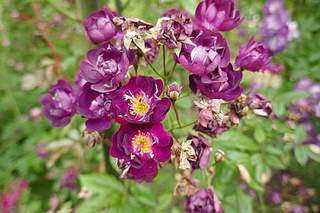
Breeder: Turbat. Year: 1921. Type: Rambler. Colour: Violet-purple. Scent: Moderate. USDA zones: 5-9.
Train over an arch, pergola, fence or wall in full sun in fertile, well-drained soil; flowers once in early summer in a big flush - prune out old flowered wood after flowering, tie in new growth, feed in spring and mulch in autumn.

Breeder: Meilland. Year: 1995. Type: Hybrid Tea. Colour: Purple. Scent: Strong. USDA zones: 5-9.
Plant in full sun in fertile well-drained soil; prune in late winter, feed in spring, and deadhead for repeat Purple blooms. Give at least 6 hours of sun a day in fertile, humus-rich, moist but well-drained soil in a sheltered UK spot.
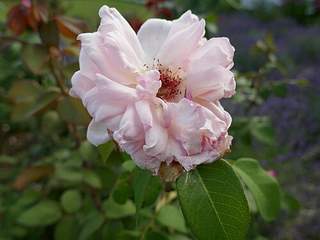
Breeder: Tantau. Year: 1990. Type: Hybrid Tea. Scent: Moderate. USDA zones: 6-9.
Plant in full sun (6+ hours) in fertile, well-drained soil in a sheltered UK spot; prune in late winter to outward-facing buds, feed in spring, deadhead for repeat flowering and mulch in autumn. Give good air flow and watch for black spot and mildew in damp summers.
Breeder: Louis Lens. Year: 1985. Type: Shrub. USDA zones: 5-9.
Plant in full sun in fertile, well-drained soil; this hardy shrub needs little winter protection in most of the UK - mulch in autumn, prune lightly in late winter, feed in spring and deadhead for repeat flowering.
Breeder: Cebrià Camprubí. Year: 1936. Type: Hybrid Tea. Colour: Vermillion, rose-pink and orange. USDA zones: 6-9.
Plant in full sun in fertile, humus-rich, moist but well-drained soil; mulch in late winter; feed with rose fertiliser in spring and again in early summer; prune in late winter; deadhead for repeat flowering; good air flow helps prevent disease in the UK climate.
Breeder: Pernet-Ducher. Year: Before 1902. Type: Hybrid Tea. Colour: Bright rosy flesh shaded yellow. USDA zones: 6–9.
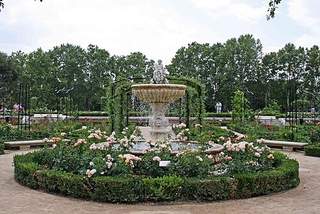
Breeder: Meilland. Year: 2000. Type: Hybrid Tea. Scent: None. USDA zones: 7-9.
Plant in full sun (6+ hours) in fertile, well-drained soil in a sheltered UK spot; prune in late winter to outward-facing buds, feed in spring, deadhead for repeat flowering and mulch in autumn. Give good air flow and watch for black spot and mildew in damp summers.
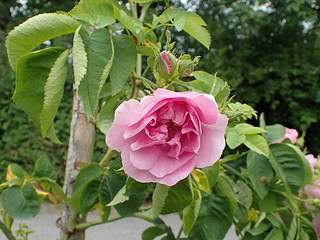
Breeder: Geschwind. Year: 1887. Type: Hybrid Perpetual. Colour: Pink. Scent: Light. USDA zones: 5b-9b.
Now lost or out of commerce; no reliable modern UK care record survives for this rose, so no specific thrive advice can be given – do not invent care details for it.
Breeder: Pedro Dot. Year: 1960. Type: Hybrid Tea. Colour: Pink. USDA zones: 6-9.
Plant in full sun in fertile, humus-rich, moist but well-drained soil; mulch in late winter; feed with rose fertiliser in spring and again in early summer; prune in late winter; deadhead for repeat flowering; good air flow helps prevent disease in the UK climate.
Breeder: NIRP International. Type: Spray rose. Colour: Creamy white.
Cut-flower rose bred for warm-climate greenhouse production (Kenya, Ecuador and Colombia); not a hardy UK garden rose — in the UK grow under glass or enjoy as cut florist roses; do not expect outdoor hardiness.
Breeder: J. Clements. Year: 1998. Type: Miniflora. Colour: White. USDA zones: 5-9.
Plant in full sun in fertile, well-drained soil; a compact miniflora for pots and small borders — prune lightly in late winter, feed in spring and deadhead for repeat flowering; mulch in cold winters.
Breeder: Geschwind. Year: 1897. Type: Shrub. USDA zones: 4-9.
Breeder: Griffith Buck. Year: 1980. Type: Shrub. Colour: Pink. Scent: Mild. USDA zones: 4-9.
Plant in full sun in fertile well-drained soil; mulch in spring and prune lightly in late winter, deadheading for repeat flowering, with good air flow in damp UK summers.
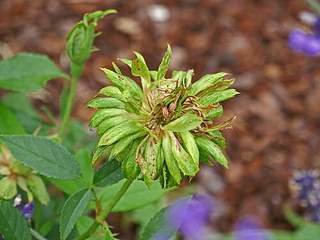
Breeder: Unknown. Year: pre-1845. Type: China. Colour: Green. Scent: None. USDA zones: 7-10.
Repeat-flowering almost continuously. Needs a warm, sunny, sheltered spot in fertile, well-drained soil; tender in cold UK winters, so mulch well and avoid frost pockets. Prune lightly in spring and deadhead often.
Breeder: Dickson. Year: 1910. USDA zones: 5-9.
Breeder: McGredy. Year: 1937. USDA zones: 5-9.
Breeder: Pernet-Ducher. Year: 1910. Type: Hybrid Tea. Colour: Pink. Scent: Moderate. USDA zones: 6b-9b.
Plant in full sun in a sheltered spot in fertile, humus-rich, moist but well-drained soil; feed in spring and again in early summer, water deeply in dry spells, deadhead spent blooms and prune in late winter to healthy outward buds.
Breeder: Bennett. Year: 1886. Type: Hybrid Tea. USDA zones: 5-9.
Breeder: Pedro Dot. Year: 1934. Type: Hybrid Tea. Colour: Orange blend. USDA zones: 6-9.
Plant in full sun in fertile, humus-rich, moist but well-drained soil; mulch in late winter; feed with rose fertiliser in spring and again in early summer; prune in late winter; deadhead for repeat flowering; good air flow helps prevent disease in the UK climate.
Breeder: William A. Warriner. Year: 1973. Type: Floribunda. Colour: Dark red. Scent: Mild. USDA zones: 6b-9.
Plant in full sun in fertile, well-drained soil; prune in late winter, feed in spring and deadhead spent clusters for repeat flowering, and mulch in autumn. Give good air flow and watch for black spot in damp summers.
Breeder: Louis Lens. Year: 1984. Type: Shrub. USDA zones: 5-9.
Plant in full sun in fertile, well-drained soil; this hardy shrub needs little winter protection in most of the UK - mulch in autumn, prune lightly in late winter, feed in spring and deadhead for repeat flowering.
Breeder: Hitoshi Nakajima. Year: 2019. Type: Floribunda. USDA zones: 5-9.
Full sun; fertile well-drained soil; water and feed through the growing season; mulch in spring; prune in late winter/early spring; deadhead to encourage repeat flowering.
Breeder: McGredy. Year: 1963. USDA zones: 5-9.
General guidance only — no specific care record survives for this rose: plant in full sun in fertile, well-drained soil; water in dry spells; feed with rose fertiliser in spring; prune in late winter and deadhead for repeat flowering.
Breeder: William A. Warriner. Year: 1988. Type: Miniature. Colour: Orange or orange-red. Scent: Mild. USDA zones: 6b-9b.
Grow in full sun in fertile, well-drained soil or a pot with good drainage; prune lightly in late winter, feed in spring, deadhead for repeat flowering and protect pots from hard frost.
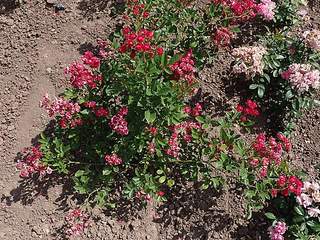
Breeder: Krnl. Year: 1996. USDA zones: 5–9.
Full sun in fertile, well-drained soil; prune in late winter, feed in spring and deadhead for repeat flowering; hardy in most of the UK.
Breeder: Ludwig Taschner. Type: Hybrid Tea. Colour: Deep salmon pink. USDA zones: 6-9.
Plant in full sun in fertile, humus-rich, moist but well-drained soil; mulch in late winter; feed with rose fertiliser in spring and again in early summer; prune in late winter; good air flow helps prevent disease in the UK climate.
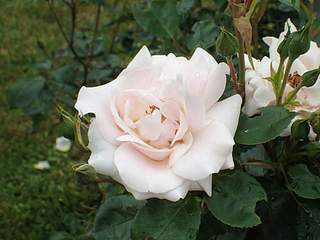
Breeder: Kordes. Year: 1988. Type: Shrub. Colour: Pink. Scent: Light. USDA zones: 5b-9b.
Full sun for 6+ hours in fertile, moist but well-drained soil; mulch in spring and feed lightly, watering in dry spells. Prune lightly in late winter or early spring to keep its shape and deadhead for repeat flowering; hardy in most of the UK.
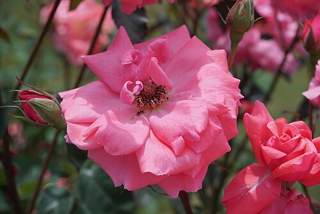
Breeder: Boerner. Year: 1951. Type: Floribunda. Colour: Cerise pink. Scent: Moderate. USDA zones: 5-9.
Plant in full sun in fertile well-drained soil; mulch in spring and deadhead spent clusters for repeat flowering, with good air circulation to reduce blackspot in wet UK summers.
Breeder: Jan Spek Rozen. Type: Floribunda. USDA zones: 5-9.
Full sun; rich, well-drained soil with spring mulch; light to moderate pruning in late winter; feed in spring and after the first flush; deadhead to encourage repeat flowering; watch for blackspot in damp UK summers.
Breeder: Georges Delbard. Year: 2025. Type: Hybrid Tea. Colour: Deep reddish-purple. Scent: Damask-Modern. USDA zones: 6-9.
No published care record
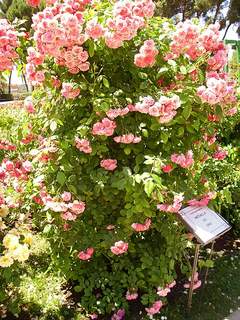
Breeder: McGredy. Year: 1987. Type: Floribunda. USDA zones: 5-9.
Plant in full sun in fertile, free-draining soil; mulch in spring, feed with rose fertiliser, prune lightly in late winter and deadhead for repeat flowering; good air flow helps prevent disease in the UK climate.
Breeder: Jackson & Perkins. Year: 1951. Type: Hybrid Tea. Colour: Cherry red. Scent: Mild. USDA zones: 5-9.
Plant in full sun in fertile, well-drained soil in a sheltered UK spot; prune in late winter, feed in spring and deadhead for repeat flowering, and mulch in autumn, protecting the graft union in colder areas. Give good air flow and watch for black spot and mildew in damp summers.
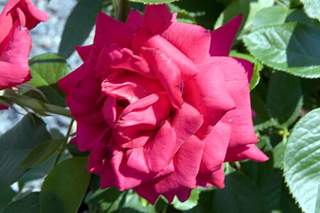
Breeder: Tom Carruth. Year: 2010. Type: Floribunda. Colour: Pink. Scent: Moderate. USDA zones: 5-9.
Plant in full sun in fertile well-drained soil; mulch in spring and deadhead spent clusters for repeat flowering, with good air circulation to reduce blackspot in wet UK summers.
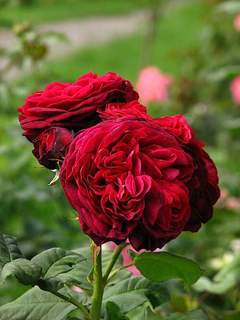
Breeder: Peter Lambert. Year: 1915. Type: Hybrid Lutea. Colour: Cream. USDA zones: 5-9.
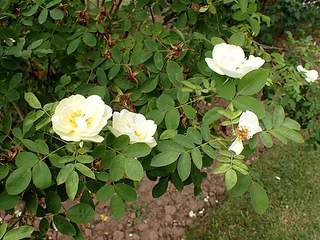
Breeder: Lambert. Year: 1912. Type: Pernetiana. Colour: Yellow-pink. Scent: Light. USDA zones: 5b-9b.
Full sun for 6+ hours in fertile, moist but well-drained soil; mulch in spring and feed in spring. Prune in late winter or early spring and watch for black spot and mildew; hardy in most of the UK.
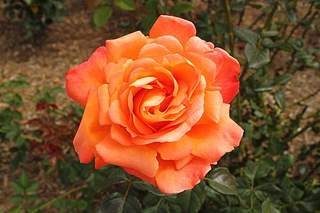
Breeder: Jack E. Christensen. Year: 1984. Type: Hybrid Tea. Colour: Orange. Scent: Moderate. USDA zones: 6-9.
Plant in full sun in fertile, well-drained soil in a sheltered UK spot; prune in late winter, feed in spring and deadhead for repeat flowering, and mulch in autumn, protecting the graft union in colder areas. Give good air flow and watch for black spot and mildew in damp summers.
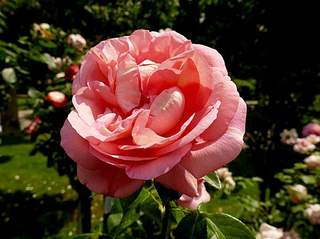
Breeder: Tantau. Year: 2013. Type: Hybrid Tea. Colour: Pink. Scent: Mild. USDA zones: 5-9.
Plant in full sun in fertile, well-drained soil in a sheltered UK spot; prune in late winter, feed in spring and deadhead for repeat flowering, and mulch in autumn, protecting the graft union in colder areas. Give good air flow and watch for black spot and mildew in damp summers.
Breeder: M.M. Gryshko National Botanical Garden. USDA zones: 5–9.
Bred for cold continental winters; full sun in fertile, well-drained soil; feed in spring, prune in late winter and mulch in autumn; hardy in most of the UK.
Breeder: Ludwig Taschner. USDA zones: 6-9.
Plant in full sun in fertile well-drained soil; prune lightly in late winter and feed in spring for repeat flowering.
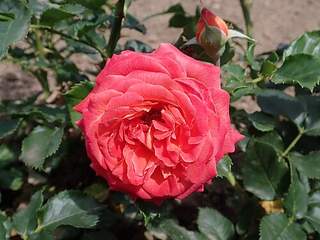
Breeder: Kordes. Year: 2012. Type: Floribunda. Colour: Red-orange. Scent: Light. USDA zones: 5b-9b.
Full sun for 6+ hours in fertile, moist but well-drained soil; mulch in spring and feed for its heavy flowering, watering in dry spells. Prune lightly in late winter or early spring and deadhead regularly; good disease resistance in most modern floribundas, but still watch for black spot; hardy in most of the UK.
Breeder: Jan Böhm. Year: 1935. USDA zones: 5–9.
Full sun in fertile, well-drained soil; prune in late winter, feed in spring and deadhead for repeat flowering; hardy in most of the UK.