r. hiyori 291005
Breeder: Chiyoko Okubo. Year: 2019. Type: Shrub. USDA zones: 6-9.
No published care record
DAAORA home · Rose library · Community
A · B · C · D · E · F · G · H · I · J · K · L · M · N · O · P · Q · R · S · T · U · V · W · X · Y · Z · other names
Breeder: Chiyoko Okubo. Year: 2019. Type: Shrub. USDA zones: 6-9.
No published care record
Breeder: Hirotomi Yamakawa. Year: 2023. Type: Floribunda. USDA zones: 6-9.
No published care record
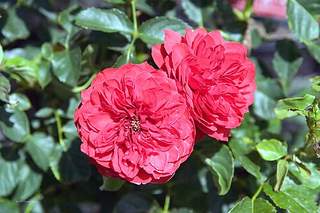
Breeder: Meilland. Year: 1995. Type: Shrub. Colour: Pink. Scent: Mild. USDA zones: 5-9.
Plant in full sun in fertile well-drained soil with room to grow; prune lightly in late winter, feed in spring, and deadhead for repeat Pink flowering. Give at least 6 hours of sun a day in fertile, humus-rich, moist but well-drained soil in a sheltered UK spot.
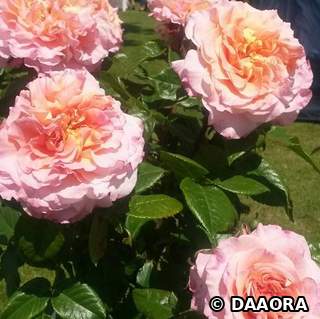
Breeder: Tantau. Type: Shrub. Colour: Pink and apricot. Scent: Strong. USDA zones: 5-9.
Plant in full sun in fertile, well-drained soil; this hardy shrub needs little winter protection in most of the UK - mulch in autumn, prune lightly in late winter, feed in spring and deadhead for repeat flowering.
Breeder: William A. Warriner. Year: 1976. Type: Floribunda. Colour: Pink. Scent: Mild. USDA zones: 6b-9b.
Plant in full sun in fertile, well-drained soil; prune in late winter, feed in spring and deadhead spent clusters for repeat flowering, and mulch in autumn. Give good air flow and watch for black spot in damp summers.
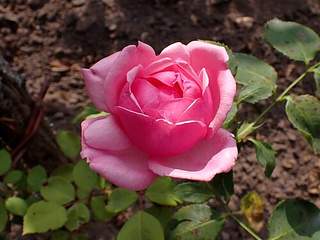
Breeder: John Cook. Year: 1908. Type: Hybrid Tea. Colour: Pink. Scent: Fragrant. USDA zones: 6b-9b.
Full sun, fertile well-drained soil; feed in spring; prune lightly in late winter; mulch; watch for black spot and mildew
Breeder: Frank Benardella. Year: 1988. Type: Climbing Miniature. Colour: Orange-red. USDA zones: 5-9.
Train on a small wall, trellis or obelisk in full sun in fertile, well-drained soil; tie in new growth, feed in spring and deadhead for repeat small blooms. Mulch in autumn for winter protection.
Breeder: L. Quinn. Year: 1953. USDA zones: 5-9.
Breeder: Dave Bang. Type: Miniature. Colour: Pink and red striped. USDA zones: 5-9.
Grow in a sunny spot with 6+ hours of sun in fertile, well-drained soil; water in dry spells, feed in spring, deadhead for repeat flowering and prune lightly in late winter, removing dead wood. Mulch in autumn for winter protection.
Breeder: Dr. Keith W. Zary. Year: 2002. Type: Grandiflora. Colour: Yellow. USDA zones: 6b-9b.
Plant in full sun in fertile, well-drained soil in a sheltered UK spot; prune in late winter, feed in spring and deadhead for repeat flowering, and mulch in autumn. Tall stems benefit from a sheltered position out of strong wind.
Breeder: Pedro Dot. Year: 1937. Type: Hybrid Tea. Colour: Pink / Yellow. USDA zones: 6-9.
Plant in full sun in fertile, well-drained soil in a sheltered UK spot; prune in late winter, feed in spring and deadhead for repeat flowering, and mulch in autumn, protecting the graft union in colder areas. Give good air flow and watch for black spot and mildew in damp summers.
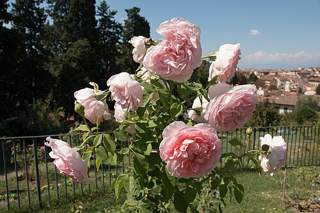
Breeder: David Austin. Year: 1994. Type: English Shrub Rose. Colour: Pale rose-pink. Scent: Strong Old Rose. USDA zones: 5-10.
Give 6+ hours of sun in fertile moist well-drained soil; mulch in spring and water in dry spells. Prune in late winter or early spring and watch for mildew.
Breeder: George Dawson. Year: 1971. Type: Hybrid Tea. USDA zones: 5-9.
Plant in full sun in fertile, well-drained soil in a sheltered UK spot; feed in spring, mulch, deadhead regularly, prune in late winter or early spring, and watch for blackspot in wet summers.
Breeder: Richard Walsh. USDA zones: 6-9.
Plant in full sun in fertile, well-drained soil; feed in spring, prune in late winter, deadhead for repeat flowering and mulch in autumn; watch for black spot and mildew.
Breeder: Pedro Dot. Year: 1938. Type: Polyantha. Colour: Orange. USDA zones: 6-9.
Plant in full sun in fertile, well-drained soil; prune in late winter, feed in spring and deadhead for repeat flowering, and mulch in autumn.
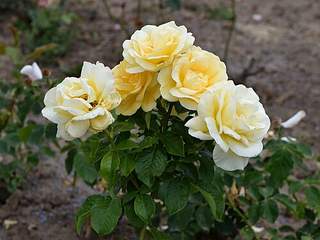
Breeder: Meilland. Year: 2006. Type: Grandiflora. Scent: Mild.
Plant in full sun (6+ hours) in fertile, well-drained soil in a sheltered UK spot; prune in late winter, feed in spring, deadhead for repeat flowering and mulch in autumn. Give good air flow and watch for black spot and mildew in damp summers.
Breeder: Louis Lens. Year: 1980. Type: Floribunda. USDA zones: 5-9.
Plant in full sun in fertile, well-drained soil; prune in late winter, feed in spring and deadhead spent clusters for repeat flowering, and mulch in autumn. Give good air flow and watch for black spot in damp summers.
Breeder: Ludwig Taschner. Type: Hybrid Tea. Colour: Salmon to coral pink. Scent: Fragrant. USDA zones: 6-9.
Plant in full sun in fertile, humus-rich, moist but well-drained soil; mulch in late winter; feed with rose fertiliser in spring and again in early summer; prune in late winter; good air flow helps prevent disease in the UK climate.
Breeder: Tom Carruth. Year: 2013. Type: Shrub. Colour: Yellow, pink shading. Scent: Mild. USDA zones: 5-9.
Plant in full sun in fertile, well-drained soil; this hardy shrub needs little winter protection in most of the UK — mulch in autumn, prune lightly in late winter, feed in spring and deadhead for repeat flowering.
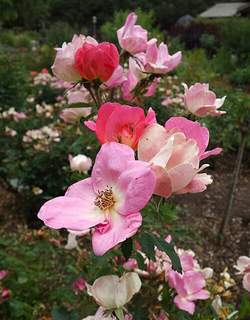
Breeder: Radler. Year: 2007. Type: Shrub. Colour: Coral-pink with yellow centre. Scent: Mild. USDA zones: 4-9.
Full sun (6+ hours) in fertile, moist but well-drained soil in a sheltered UK spot; mulch in spring, feed in spring and early summer, and water in dry spells. Prune lightly in late winter, removing dead and crossing wood, and deadhead for repeat flowering.
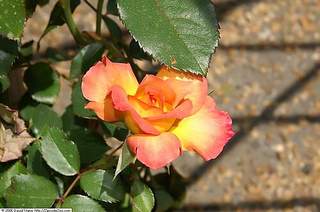
Breeder: Ping Lim. Year: 2002. Type: Floribunda. Colour: Yellow - orange, red edges. USDA zones: 6b-9b.
Plant in full sun in fertile, well-drained soil; prune in late winter, feed in spring and deadhead spent clusters for repeat flowering, and mulch in autumn. Give good air flow and watch for black spot in damp summers.
Breeder: Ralph Moore. Year: 1973. Type: Miniature. Colour: Yellow-red blend. Scent: Mild. USDA zones: 5-9.
Full sun in a pot or at the front of a border in free-draining compost or soil; keep pots watered in dry weather and feed through summer. Prune lightly in late winter, deadhead spent blooms, and protect pots from hard frost in colder UK areas.
Breeder: Jan Spek. Type: Garden rose. USDA zones: 6-9.
Plant in full sun in fertile, free-draining soil; mulch in spring, feed with rose fertiliser, deadhead for repeat flowering and prune in late winter; good air flow helps prevent disease in the UK climate.
Breeder: Poulsen. Year: 2009. Type: Patio. Colour: Red. Scent: Mild. USDA zones: 5-9.
Full sun in a pot or patio bed in free-draining compost or fertile soil; keep pots watered in dry weather and feed through summer. Prune lightly in late winter and deadhead for repeat flowering; protect pots from hard frost.
Breeder: M. S. Viraraghavan. Year: 1983. Type: Hybrid Tea. Colour: Lilac-pink. USDA zones: 7-9.
Plant in full sun in a warm, sheltered spot in fertile, free-draining soil; mulch in spring, feed with rose fertiliser, prune lightly in late winter and deadhead for repeat flowering; protect from hard frost in colder UK areas, as warm-climate roses are less hardy in the UK.
Breeder: Gergely Márk. Colour: Burgundy. Scent: Fragrant. USDA zones: 5–9.
Full sun, fertile well-drained soil; mulch in autumn and prune in late winter. Bred for cold continental winters, so hardy in the UK; give good air flow and watch for blackspot in wet summers.
Breeder: Delbard. Year: 2025. Type: Floribunda. Colour: Apricot. Scent: Moderate. USDA zones: 5-9.
Grow in a sunny, open position in well-fed soil. Water well in dry weather, aiming at the roots. Feed in spring and midsummer. Prune in late winter to keep the bush compact and open. Remove spent flower clusters. Mulch annually with garden compost.
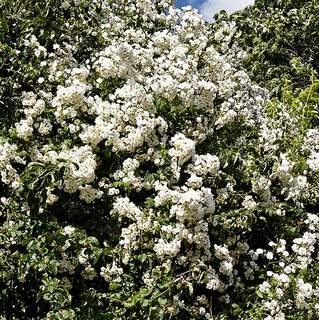
Breeder: Unknown. Year: 1900. Type: Rambler. Colour: White. Scent: Strong musk. USDA zones: 5-9.
Train over an arch, pergola, fence or wall in full sun in fertile, well-drained soil; flowers once in early summer in a big flush - prune out old flowered wood after flowering, tie in new growth, feed in spring and mulch in autumn.
Breeder: Unknown. Year: 1900. Type: Rambler. Colour: Pink. Scent: Moderate. USDA zones: 5-9.
Train over an arch, pergola, fence or wall in full sun in fertile, well-drained soil; flowers once in early summer in a big flush - prune out old flowered wood after flowering, tie in new growth, feed in spring and mulch in autumn.
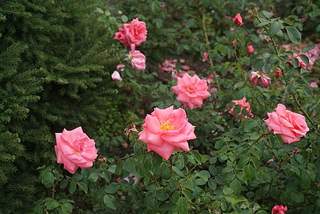
Breeder: Kordes. Year: 1988. Type: Climber. Colour: Pink. Scent: Mild. USDA zones: 5-9.
Train on a wall, arch, pergola or fence in full sun in fertile well-drained soil; tie in new canes, prune after flowering (ramblers) or lightly in late winter (repeat climbers), and deadhead for repeat Pink blooms. Give at least 6 hours of sun a day in fertile, humus-rich, moist but well-drained soil in a sheltered UK spot.
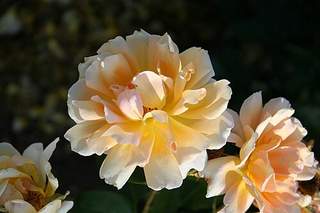
Breeder: Pedro Dot. Year: 1938. Type: Hybrid Tea. Colour: Orange / Gold. USDA zones: 6-9.
Plant in full sun in fertile, well-drained soil in a sheltered UK spot; prune in late winter, feed in spring and deadhead for repeat flowering, and mulch in autumn, protecting the graft union in colder areas. Give good air flow and watch for black spot and mildew in damp summers.
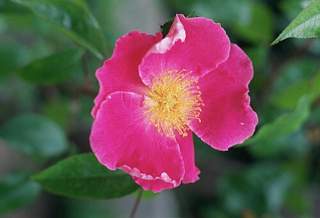
Breeder: de Ruiter. Year: Unknown. Type: Hybrid Tea. Colour: Pink. Scent: Light. USDA zones: 6b-9b.
Bred mainly as a cut or florists' rose; in a UK garden give it full sun in fertile, well-drained soil in a sheltered spot, feed in spring, water in dry spells and prune in late winter, and protect from hard frost.
Breeder: R. Poulsen. Year: 2000. Type: Miniflora. Colour: Deep pink. Scent: None. USDA zones: 5-9.
Plant in full sun in fertile, well-drained soil; a compact miniflora for pots and small borders — prune lightly in late winter, feed in spring and deadhead for repeat flowering; mulch in cold winters.
Breeder: Percy Wright. Year: 1949. Type: Shrub. Colour: Pink. USDA zones: 2-9.
Breeder: Lambert. Year: 1908. Type: Polyantha. Colour: Light pink. USDA zones: 4-9.
Breeder: Junko Kawamoto. Type: Shrub. Colour: Pink. Scent: Light. USDA zones: 6-9.
Plant in full sun in fertile, free-draining soil; mulch in spring, feed with rose fertiliser, prune in late winter and deadhead for repeat flowering; good air flow helps prevent disease in the UK climate.
Breeder: John Cook. Year: 1912. Type: Hybrid Tea. Colour: Light silver-pink, salmon. USDA zones: 6b-9b.
Full sun, fertile well-drained soil; feed in spring; prune lightly in late winter; mulch; watch for black spot and mildew
Breeder: Shoji Uematsu. Year: 2024. Type: Hybrid Tea. USDA zones: 6-9.
No published care record
Breeder: Weeks Roses. Type: Climber. USDA zones: 5-11.
Full sun; train canes as horizontally as possible on a support; prune after flowering and remove dead or crossing wood; mulch and feed in spring; protect young growth from cold winds.
Breeder: Star Roses. Year: 2023. Type: Shrub. Colour: Pink. USDA zones: 5-9.
Plant in full sun in fertile, humus-rich, moist but well-drained soil; mulch in late winter; feed with rose fertiliser in spring and again in early summer; prune in late winter; good air flow helps prevent disease in the UK climate.
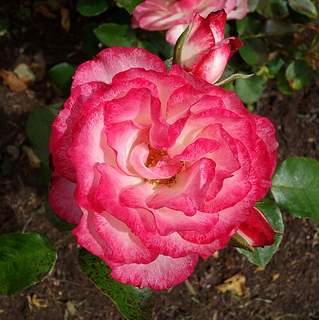
Year: 2006. Type: Miniflora. Colour: Red blend. USDA zones: 5-9.
Plant in full sun in fertile, well-drained soil; a compact miniflora for pots and small borders - prune lightly in late winter, feed in spring and deadhead for repeat flowering; mulch in cold winters.
Breeder: Kordes. Scent: Fragrant. USDA zones: 5-9.
Plant in full sun in fertile, humus-rich, moist but well-drained soil; mulch in late winter; feed with rose fertiliser in spring and again in early summer; prune in late winter; good air flow helps prevent disease in the UK climate.
Breeder: Keith Zary. Year: 1995. Type: Miniature. Colour: Pink. Scent: Mild. USDA zones: 5-9.
Plant in full sun in fertile well-drained soil or a pot with good drainage; feed in spring, deadhead for repeat flowering and protect from hard frost in colder UK areas.
Breeder: Unknown. Type: Miniature. Colour: Reddish-pink. Scent: Mild. USDA zones: 5-9.
Plant in full sun in fertile, well-drained soil; a compact rose for pots and small borders - prune lightly in late winter, feed in spring and deadhead for repeat flowering; mulch in cold winters.
Breeder: Star Roses. Type: Rugosa. USDA zones: 5-9.
Plant in full sun in fertile, well-drained soil; prune lightly in late winter, feed in spring; mulch in cold winters; tolerant of poor soil and coastal sites.
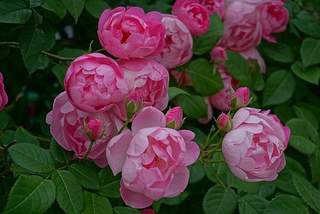
Breeder: Kordes. Year: 1936. Type: Rambler. Colour: Pink. Scent: Light. USDA zones: 4b-9b.
Old Kordes rambler; prune out old flowered wood after its summer flush. Full sun in fertile, well-drained soil; train over an arch, pergola or wall and tie in new growth. Prune out old flowered wood after its summer flush; hardy in most of the UK.
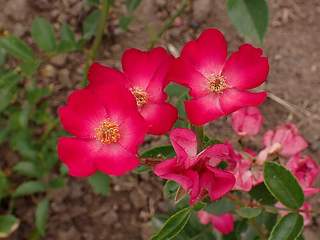
Breeder: Louis Lens. Year: 1988. Type: Shrub. USDA zones: 5-9.
Plant in full sun in fertile, well-drained soil; this hardy shrub needs little winter protection in most of the UK - mulch in autumn, prune lightly in late winter, feed in spring and deadhead for repeat flowering.
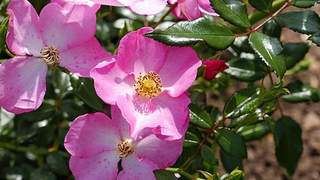
Breeder: Noack. Year: 1999. Type: Shrub. Colour: Pink. Scent: Light. USDA zones: 5b-9b.
ADR winner. Full sun for 6+ hours in fertile, moist but well-drained soil; mulch in spring and feed lightly, watering in dry spells. Prune lightly in late winter or early spring to keep its shape and deadhead for repeat flowering; hardy in most of the UK.
Breeder: Graeme Catt. Year: 1992. USDA zones: 6-9.
Plant in full sun in fertile, humus-rich, moist but well-drained soil; mulch in late winter; feed with rose fertiliser in spring and again in early summer; prune in late winter; good air flow helps prevent disease in the UK climate.
Breeder: R. Hough. Year: 2001. Type: Miniflora. Colour: Medium red. USDA zones: 5-9.
Plant in full sun in fertile, well-drained soil; a compact miniflora for pots and small borders — prune lightly in late winter, feed in spring and deadhead for repeat flowering; mulch in cold winters.
Breeder: Gaujard. Year: Unknown. Type: Hybrid Tea. Colour: Pink. Scent: Moderate. USDA zones: 6b-9b.
Plant in full sun in a sheltered spot in fertile, humus-rich, moist but well-drained soil; feed in spring and again in early summer, water deeply in dry spells, deadhead spent blooms and prune in late winter to healthy outward buds.

Breeder: Delbard. Type: Shrub. Colour: Pink. Scent: Mild. USDA zones: 5-9.
Plant in full sun in fertile, well-drained soil; this hardy shrub needs little winter protection in most of the UK - mulch in autumn, prune lightly in late winter, feed in spring and deadhead for repeat flowering.
Breeder: Peter Beales. Type: Shrub. USDA zones: 5-9.
Plant in full sun in fertile, free-draining soil; mulch in spring, feed with rose fertiliser, prune in late winter and deadhead for repeat flowering; good air flow helps prevent disease in the UK climate.
Breeder: Kordes. Year: 1960. Type: Shrub. Colour: Red. Scent: Mild. USDA zones: 5-9.
Plant in full sun in fertile well-drained soil with room to grow; prune lightly in late winter, feed in spring, and deadhead for repeat Red flowering. Give at least 6 hours of sun a day in fertile, humus-rich, moist but well-drained soil in a sheltered UK spot.
Breeder: Pernet-Ducher. Year: 1910. Type: Hybrid Tea. Colour: Yellow. Scent: Strong. USDA zones: 6b-9b.
Plant in full sun in an open, airy spot in fertile, well-drained soil; Pernetiana roses are prone to mildew, so give good air circulation, feed in spring, water at the base in dry spells and prune in late winter.
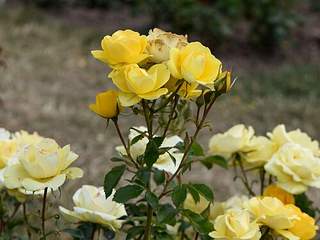
Breeder: Meilland. Year: 2014. Type: Floribunda. Scent: None.
Plant in full sun (6+ hours) in fertile, well-drained soil; prune lightly in late winter, feed in spring, deadhead spent clusters for repeat flowering and mulch in autumn. Give good air flow and watch for black spot in damp summers.
Breeder: Fryer. Year: 1997. Type: Floribunda. Colour: Pink-red. Scent: Strong. USDA zones: 6-9.
Plant in full sun in fertile, well-drained soil. Feed in spring and midsummer; water in dry spells. Deadhead clusters to keep flowers coming. Prune lightly in late winter, shaping the bush and removing dead wood. Mulch in spring. Generally disease-resistant, but watch for black spot in wet seasons.
Breeder: William Warriner. Year: 1981. Type: Miniature. Colour: Orange. Scent: Mild. USDA zones: 5-9.
Plant in full sun in fertile well-drained soil or a pot with good drainage; feed in spring, deadhead for repeat flowering and protect from hard frost in colder UK areas.
Type: Miniflora. USDA zones: 5-9.
Plant in full sun in fertile, well-drained soil; a compact miniflora for pots and small borders — prune lightly in late winter, feed in spring and deadhead for repeat flowering; mulch in cold winters.
Breeder: R. Tucker. Year: 2006. Type: Miniflora. Colour: Yellow blend. USDA zones: 5-9.
Plant in full sun in fertile, well-drained soil; a compact miniflora for pots and small borders — prune lightly in late winter, feed in spring and deadhead for repeat flowering; mulch in cold winters.
Breeder: B. Jalbert. Year: 2004. Type: Miniflora. Colour: Pink blend. Scent: Light. USDA zones: 5-9.
Plant in full sun in fertile, well-drained soil; a compact miniflora for pots and small borders — prune lightly in late winter, feed in spring and deadhead for repeat flowering; mulch in cold winters.
Breeder: R. Poulsen. Year: 2002. Type: Miniflora. Colour: Dark red. Scent: None. USDA zones: 5-9.
Plant in full sun in fertile, well-drained soil; a compact miniflora for pots and small borders — prune lightly in late winter, feed in spring and deadhead for repeat flowering; mulch in cold winters.
Breeder: Tom Carruth. Year: 2002. Type: Climbing. Colour: Dark red. Scent: Mild. USDA zones: 6b-9b.
Train over a wall, arch or pergola in full sun in fertile, well-drained soil; tie in new growth, prune out old flowered wood after flowering, feed in spring and mulch in autumn.
Breeder: McGredy. Year: 1998. Type: Grandiflora. USDA zones: 5-9.
Plant in full sun in fertile, free-draining soil; mulch in spring, feed with rose fertiliser, prune in late winter and deadhead for repeat flowering; good air flow helps prevent disease in the UK climate.
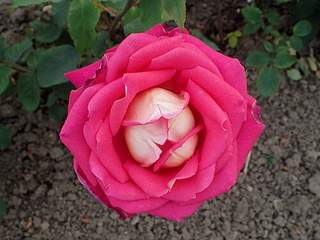
Breeder: Tantau. Year: 1970. Type: Hybrid Tea. Colour: Yellow-red. Scent: Moderate. USDA zones: 5-9.
Plant in full sun in fertile well-drained soil; prune in late winter, feed in spring, and deadhead for repeat Yellow-red blooms. Give at least 6 hours of sun a day in fertile, humus-rich, moist but well-drained soil in a sheltered UK spot.
Breeder: Poulsen. Year: 2010. Type: Miniflora. Colour: Medium pink. USDA zones: 5-9.
Plant in full sun in fertile, well-drained soil; a compact miniflora for pots and small borders - prune lightly in late winter, feed in spring and deadhead for repeat flowering; mulch in cold winters.

Breeder: Kordes. Year: 1996. Type: Hybrid Tea. Colour: Red. Scent: Moderate. USDA zones: 5-9.
Plant in full sun in fertile well-drained soil; prune in late winter, feed in spring, and deadhead for repeat Red blooms. Give at least 6 hours of sun a day in fertile, humus-rich, moist but well-drained soil in a sheltered UK spot.
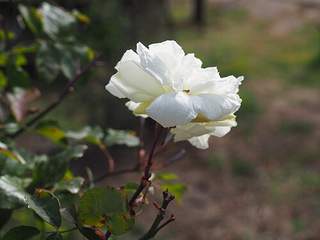
Breeder: Harkness. Type: Floribunda. Colour: Red. USDA zones: 5-9.
Plant in full sun in fertile, humus-rich, moist but well-drained soil; mulch in late winter; feed with rose fertiliser in spring and again in early summer; prune in late winter; good air flow helps prevent disease in the UK climate.
Breeder: Ralph Moore. Year: 1994. Type: Miniature. Colour: Red. Scent: Mild. USDA zones: 5-9.
Full sun in a pot or at the front of a border in free-draining compost or soil; keep pots watered in dry weather and feed through summer. Prune lightly in late winter, deadhead spent blooms, and protect pots from hard frost in colder UK areas.
Breeder: Tantau. Type: Hybrid Tea. Colour: Red. USDA zones: 6-9.
Plant in full sun in fertile, well-drained soil in a sheltered UK spot; prune in late winter, feed in spring, and deadhead for repeat flowering. Watch for black spot and mildew in damp summers; mulch in autumn.
Breeder: de Ruiter. Year: Unknown. Type: Hybrid Tea. Colour: Red. Scent: Light. USDA zones: 6b-9b.
Bred mainly as a cut or florists' rose; in a UK garden give it full sun in fertile, well-drained soil in a sheltered spot, feed in spring, water in dry spells and prune in late winter, and protect from hard frost.
Breeder: Dr. Griffith J. Buck. Year: 1984. Type: Shrub. Colour: Red. Scent: Mild. USDA zones: 4-9.
Very hardy — Plant in full sun in fertile, well-drained soil; this hardy shrub needs little winter protection in most of the UK — mulch in autumn, prune lightly in late winter, feed in spring and deadhead for repeat flowering.
Breeder: R. & H. Rumsey. Year: 1984. Type: Miniature. Colour: Deep pink. USDA zones: 5-9.
Plant in full sun (6+ hours) in fertile, well-drained soil or a pot with good drainage; mulch in spring, feed with rose fertiliser, deadhead for repeat flowering and prune lightly in late winter; give good air flow and watch for black spot and mildew in the UK climate.
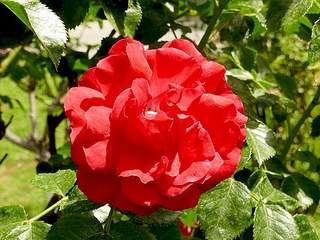
Breeder: Conard-Pyle. Year: 1972. Type: Groundcover. Colour: Red. Scent: Mild. USDA zones: 5-9.
Full sun in free-draining fertile soil; a very disease-resistant groundcover for borders, slopes and containers in the UK. Needs only spring mulch and a light trim, with good air flow in damp summers.
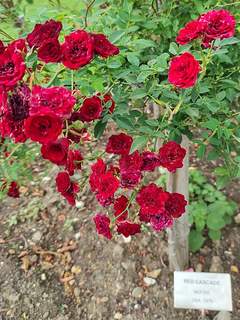
Breeder: Ralph Moore. Year: 1976. Type: Groundcover. Colour: Red. Scent: Mild. USDA zones: 5-9.
Full sun in free-draining fertile soil; a very disease-resistant groundcover for borders, slopes and containers in the UK. Needs only spring mulch and a light trim, with good air flow in damp summers.
Breeder: Dickson. Year: 1916. USDA zones: 5-9.
Breeder: Dickson. Year: 1965. Type: Hybrid Tea. Colour: Red. Scent: Strong. USDA zones: 5-9.
Full sun, fertile well-drained soil; feed in spring, mulch, and give good air circulation to reduce mildew.
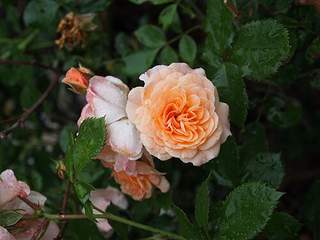
Breeder: Meilland. Year: 2007. Type: Groundcover. Colour: Red. Scent: Mild. USDA zones: 5-9.
Grow as ground cover in full sun in fertile well-drained soil; prune lightly in late winter, feed in spring, and deadhead little — it is largely self-cleaning — for repeat Red flowering. Give at least 6 hours of sun a day in fertile, humus-rich, moist but well-drained soil in a sheltered UK spot.
Breeder: McGredy. Year: 1909. USDA zones: 5-9.
Breeder: Brownell family. Type: Hybrid Tea. Colour: Red. Scent: Strong. USDA zones: 4-9.
Full sun in a sheltered spot; rich, well-drained soil with spring mulch; prune in late winter, keeping a tall framework; feed in spring and after the first flush; deadhead for repeat flowering; watch for blackspot and mildew in damp UK summers.
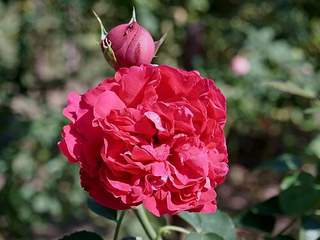
Breeder: Fryer. Type: Floribunda. Colour: Red. USDA zones: 5-9.
Plant in full sun in fertile, well-drained soil; prune in late winter, feed in spring and deadhead spent clusters for repeat flowering, and mulch in autumn. Give good air flow and watch for black spot in damp summers.
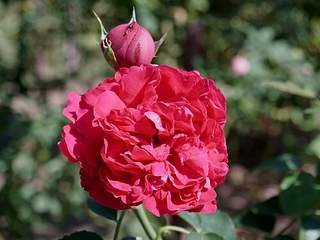
Breeder: Meilland. Year: 2002. Type: Shrub. Colour: Red. Scent: Moderate. USDA zones: 5-9.
Plant in full sun in fertile well-drained soil with room to grow; prune lightly in late winter, feed in spring, and deadhead for repeat Red flowering. Give at least 6 hours of sun a day in fertile, humus-rich, moist but well-drained soil in a sheltered UK spot.
Breeder: Eugene S. Boerner. Year: 1958. Type: Floribunda. Colour: Dark red. Scent: Strong. USDA zones: 6b-9.
Plant in full sun in fertile, well-drained soil; prune in late winter, feed in spring and deadhead spent clusters for repeat flowering, and mulch in autumn. Give good air flow and watch for black spot in damp summers.
Breeder: Dümmen Orange. Type: Hybrid Tea. Colour: Red. USDA zones: 5-9.
Plant in full sun in fertile, humus-rich, moist but well-drained soil; mulch in late winter; feed with rose fertiliser in spring and again in early summer; prune in late winter and deadhead for repeat flowering; good air flow helps prevent disease in the UK climate.
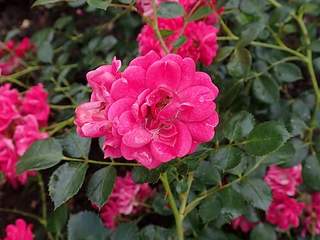
Breeder: Ralph Moore. Year: 1970. Type: Polyantha. Colour: Magenta-red. Scent: Mild. USDA zones: 5-9.
Full sun in fertile well-drained soil; a low, bushy rose for sunny borders, edging or pots in the UK. Deadhead spent trusses for repeat flowering and prune lightly in late winter; mulch in spring.
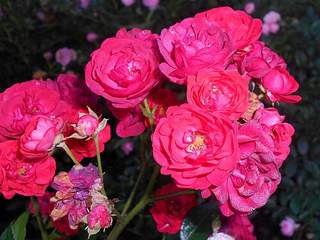
Breeder: Ralph Moore. Year: 1980. Type: Miniature. Colour: Red. Scent: Mild. USDA zones: 5-9.
Full sun in a pot or at the front of a border in free-draining compost or soil; keep pots watered in dry weather and feed through summer. Prune lightly in late winter, deadhead spent blooms, and protect pots from hard frost in colder UK areas.
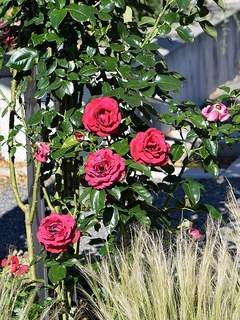
Breeder: NIRP. Type: Shrub. Colour: Red. USDA zones: 5-9.
Plant in full sun in fertile, well-drained soil; this hardy shrub needs little winter protection in most of the UK - mulch in autumn, prune lightly in late winter, feed in spring and deadhead for repeat flowering.
Breeder: Spek. Type: Garden rose. Colour: Red. USDA zones: 5-9.
Plant in full sun in fertile, well-drained soil; feed in spring, mulch, deadhead regularly for repeat flowering, and prune lightly in spring.
Breeder: McGredy. Year: 1909. USDA zones: 5-9.
Breeder: Dr. Keith W. Zary. Year: 2011. Type: Shrub. Colour: Red. USDA zones: 5-9.
Plant in full sun in fertile, well-drained soil; this hardy shrub needs little winter protection in most of the UK — mulch in autumn, prune lightly in late winter, feed in spring and deadhead for repeat flowering.
Breeder: Dr Bruce Chapman. Year: 2010. Type: Mini-flora. Colour: Red. USDA zones: 5-9.
Plant in full sun (6+ hours) in fertile, well-drained soil or a pot with good drainage; mulch in spring, feed with rose fertiliser, deadhead for repeat flowering and prune lightly in late winter; give good air flow and watch for black spot and mildew in the UK climate.
Breeder: Unknown. Year: 1960. Type: Miniature. Colour: Red. Scent: Mild. USDA zones: 5-9.
Full sun in a pot or at the front of a border in free-draining compost or soil; keep pots watered in dry weather and feed through summer. Prune lightly in late winter, deadhead spent blooms, and protect pots from hard frost in colder UK areas.
Breeder: Herbert C. Swim. Year: 1958. Type: Floribunda. Colour: Cherry-red. Scent: Mild. USDA zones: 6b-9b.
Plant in full sun in fertile, well-drained soil; prune in late winter, feed in spring and deadhead spent clusters for repeat flowering, and mulch in autumn. Give good air flow and watch for black spot in damp summers.
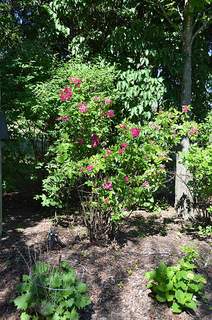
Breeder: Lens. Year: 1918. Type: Shrub. Colour: Red. Scent: Mild. USDA zones: 5-9.
Full sun (6+ hours) in fertile, moist but well-drained soil in a sheltered UK spot; mulch in spring, feed in spring and early summer, and water in dry spells. Prune lightly in late winter, removing dead and crossing wood, and deadhead for repeat flowering.

Breeder: Tantau. Year: 1993. Type: Ground cover. Scent: None. USDA zones: 4-9.
Full sun; well-drained soil with spring mulch; trim lightly in late winter to keep shape; feed in spring; very low maintenance; watch for blackspot in damp UK summers.
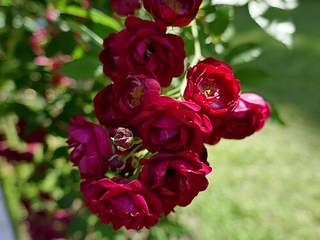
Breeder: Alister Clark. Year: 1941. Type: Hybrid Tea. Colour: Red. USDA zones: 6-9.
Lost to cultivation - no plants in commerce and no reliable UK care record survives; listed for reference only, so no care details are given rather than inventing them.

Breeder: Tom Carruth. Year: 2006. Type: Shrub. Colour: Red. USDA zones: 5-9.
Plant in full sun in fertile, well-drained soil; this hardy shrub needs little winter protection in most of the UK — mulch in autumn, prune lightly in late winter, feed in spring and deadhead for repeat flowering.
Breeder: Unknown. Year: 1955. Type: Miniature. Colour: Red. Scent: Mild. USDA zones: 5-9.
Full sun in a pot or at the front of a border in free-draining compost or soil; keep pots watered in dry weather and feed through summer. Prune lightly in late winter, deadhead spent blooms, and protect pots from hard frost in colder UK areas.
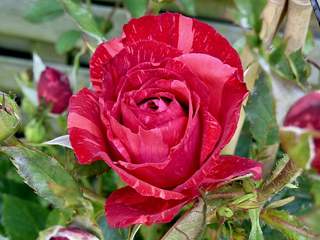
Breeder: Delbard. Year: 2004. Type: Hybrid Tea. Colour: Red striped. Scent: Moderate. USDA zones: 5-9.
Give full sun and deep, rich soil improved with well-rotted manure. Mulch in spring to hold moisture. Feed in spring and after the first flush. Prune moderately in late winter, removing weak and crossing wood. Deadhead regularly. In wet UK summers, watch for black spot; pick off affected leaves early.
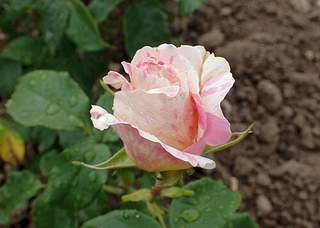
Breeder: Jan Spek. Type: Garden rose. USDA zones: 6-9.
Plant in full sun in fertile, free-draining soil; mulch in spring, feed with rose fertiliser, deadhead for repeat flowering and prune in late winter; good air flow helps prevent disease in the UK climate.

Breeder: Herbert C. Swim. Year: 1950. Type: Hybrid Tea. Colour: Red. Scent: Mild. USDA zones: 7b-11.
Plant in full sun in fertile, well-drained soil in a sheltered UK spot; prune in late winter, feed in spring and deadhead for repeat flowering, and mulch in autumn, protecting the graft union in colder areas. Give good air flow and watch for black spot and mildew in damp summers.
Breeder: de Ruiter. Year: 1996. Type: Hybrid Tea. Colour: Red. Scent: Light. USDA zones: 6b-9b.
Bred mainly as a cut or florists' rose; in a UK garden give it full sun in fertile, well-drained soil in a sheltered spot, feed in spring, water in dry spells and prune in late winter, and protect from hard frost.
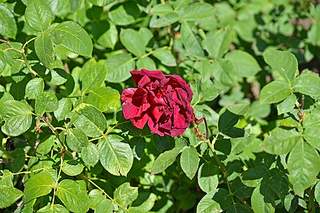
Breeder: Radler. Year: 2007. Type: Shrub. Colour: True red. Scent: Mild. USDA zones: 4-9.
Full sun (6+ hours) in fertile, moist but well-drained soil in a sheltered UK spot; mulch in spring, feed in spring and early summer, and water in dry spells. Prune lightly in late winter, removing dead and crossing wood, and deadhead for repeat flowering.
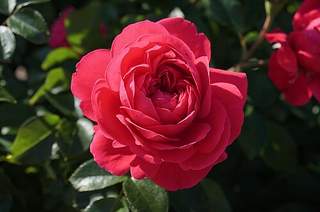
Breeder: Meilland. Year: 2003. Type: Floribunda. Colour: Red. Scent: Mild. USDA zones: 5-9.
Plant in full sun in fertile well-drained soil; prune in late winter, feed in spring, and deadhead spent clusters for repeat Red flowering. Give at least 6 hours of sun a day in fertile, humus-rich, moist but well-drained soil in a sheltered UK spot.

Breeder: McGredy. Year: 1964. USDA zones: 5-9.
General guidance only — no specific care record survives for this rose: plant in full sun in fertile, well-drained soil; water in dry spells; feed with rose fertiliser in spring; prune in late winter and deadhead for repeat flowering.
Breeder: McGredy. Year: 1998. USDA zones: 5-9.
Plant in full sun in fertile, humus-rich, moist but well-drained soil; mulch in late winter; feed with rose fertiliser in spring and again in early summer; prune in late winter; good air flow helps prevent disease in the UK climate.
Breeder: Dr. Müller. Type: Climbing Tea. Colour: Carmine-red. USDA zones: 7-10.
Full sun in a warm, sheltered spot; fertile well-drained soil; train on a wall, pillar or pergola, tie in canes; prune lightly in spring; protect from hard frost.
Breeder: William A. Warriner. Year: 1974. Type: Hybrid Tea. Colour: Red. Scent: Mild. USDA zones: 5-9.
Plant in full sun in fertile, well-drained soil in a sheltered UK spot; prune in late winter, feed in spring and deadhead for repeat flowering, and mulch in autumn, protecting the graft union in colder areas. Give good air flow and watch for black spot and mildew in damp summers.
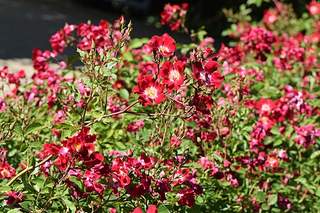
Breeder: Meilland. Year: 1992. Type: Shrub. Colour: Red. Scent: Mild. USDA zones: 5-9.
Plant in full sun in fertile well-drained soil with room to grow; prune lightly in late winter, feed in spring, and deadhead for repeat Red flowering. Give at least 6 hours of sun a day in fertile, humus-rich, moist but well-drained soil in a sheltered UK spot.
Breeder: Meilland. Year: 2010. Type: Miniature.
Grow in full sun in fertile, well-drained soil or in a pot with rose compost; prune lightly in late winter, feed in spring, deadhead for repeat flowering and mulch in autumn. Water pots in dry spells and watch for black spot in damp summers.

Breeder: Meilland. Year: 2025. Type: Hybrid Tea. Colour: Red. USDA zones: 5-9.
A cut-flower rose bred for warm-climate production; in the UK grow under glass or in a warm sheltered sunny spot in fertile, well-drained soil, feed in spring and prune lightly - not a hardy garden rose in cold districts.
Breeder: Schreurs. Year: 2006. Type: Hybrid Tea. Colour: Red. USDA zones: 5-9.
Plant in full sun in fertile, well-drained soil in a sheltered UK spot; prune in late winter, feed in spring and deadhead for repeat flowering, and mulch in autumn, protecting the graft union in colder areas. Give good air flow and watch for black spot and mildew in damp summers.
Breeder: Bill Allender. Year: 1991. USDA zones: 5-9.
Plant in full sun in fertile, well-drained soil; feed in spring, prune in late winter, deadhead for repeat flowering and mulch in autumn; watch for black spot and mildew.
Breeder: Poulsen. Year: 2000. Type: Miniflora. Colour: Medium red. USDA zones: 5-9.
Plant in full sun in fertile, humus-rich, moist but well-drained soil, in the ground or a pot; mulch in late winter; feed with rose fertiliser in spring and again in early summer; prune lightly in late winter; good air flow helps prevent disease in the UK climate.
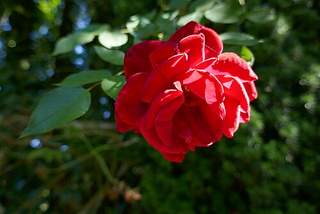
Breeder: Andre Eve. Year: 1972. Type: Rambler. Colour: Deep red. Scent: Strong. USDA zones: 5-9.
Train over an arch, pergola or wall in full sun in fertile, well-drained soil; prune out old flowered wood after its summer flush, tie in new growth, and feed in spring.
Breeder: Tsukane Nishiyori. Year: 2018. Type: Shrub. USDA zones: 5-9.
Full sun; fertile well-drained soil; water and feed through the growing season; mulch in spring; prune in late winter/early spring; deadhead to encourage repeat flowering.
Breeder: B. Jalbert. Year: 1999. Type: Miniflora. Colour: Medium red. Scent: Light. USDA zones: 5-9.
Plant in full sun in fertile, well-drained soil; a compact miniflora for pots and small borders — prune lightly in late winter, feed in spring and deadhead for repeat flowering; mulch in cold winters.
Breeder: Dr. Keith W. Zary. Year: 2008. Type: Floribunda. Colour: Red. Scent: Mild. USDA zones: 5-9.
Plant in full sun in fertile, well-drained soil; prune in late winter, feed in spring and deadhead spent clusters for repeat flowering, and mulch in autumn. Give good air flow and watch for black spot in damp summers.
Breeder: McGredy. Year: 1986. USDA zones: 5-9.
Plant in full sun in fertile, humus-rich, moist but well-drained soil; mulch in late winter; feed with rose fertiliser in spring and again in early summer; prune in late winter; good air flow helps prevent disease in the UK climate.
Breeder: Evers. Year: 2012. Type: Hybrid Tea. Colour: Red. Scent: Strong. USDA zones: 5b-9b.
Nostalgie hybrid tea; very fragrant. Full sun for 6+ hours in fertile, moist but well-drained soil; mulch in late winter and feed in spring and early summer. Prune in late winter or early spring, deadhead for repeat flowering, and watch for black spot and mildew; hardy in most of the UK, mound mulch over the graft in colder areas.
Breeder: Eugene S. Boerner. Year: 1947. Type: Floribunda. Colour: Red. Scent: Mild. USDA zones: 5-9.
Plant in full sun in fertile, well-drained soil; prune in late winter, feed in spring and deadhead spent clusters for repeat flowering, and mulch in autumn. Give good air flow and watch for black spot in damp summers.

Breeder: Dickson. Year: 1970. Type: Hybrid Tea. Colour: Red. Scent: Strong. USDA zones: 5-9.
Full sun, rich well-drained soil; prune in late winter and feed in spring for large repeat blooms.
Breeder: McGredy. Year: 1998. USDA zones: 5-9.
Plant in full sun in fertile, humus-rich, moist but well-drained soil; mulch in late winter; feed with rose fertiliser in spring and again in early summer; prune in late winter; good air flow helps prevent disease in the UK climate.
Breeder: NIRP International. Type: Spray rose.
Cut-flower rose bred for warm-climate greenhouse production (Kenya, Ecuador and Colombia); not a hardy UK garden rose — in the UK grow under glass or enjoy as cut florist roses; do not expect outdoor hardiness.
Breeder: William A. Warriner. Year: 1983. Type: Shrub. Colour: Red. Scent: Mild. USDA zones: 6b-9.
Plant in full sun in fertile, well-drained soil; this hardy shrub needs little winter protection in most of the UK — mulch in autumn, prune lightly in late winter, feed in spring and deadhead for repeat flowering.
Breeder: William A. Warriner. Year: 1964. Type: Hybrid Tea. Colour: Red. Scent: Mild. USDA zones: 6b-9b.
Plant in full sun in fertile, well-drained soil in a sheltered UK spot; prune in late winter, feed in spring and deadhead for repeat flowering, and mulch in autumn, protecting the graft union in colder areas. Give good air flow and watch for black spot and mildew in damp summers.
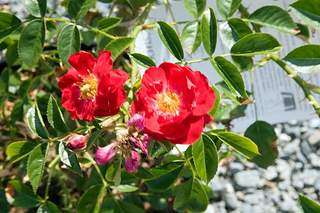
Breeder: Weeks Roses. Type: Groundcover. Colour: Red. USDA zones: 5-9.
Full sun; plant for ground cover on banks or in borders; light trim after flowering; mulch to suppress weeds; generally good disease resistance.
Breeder: de Ruiter. Year: Unknown. Type: Floribunda. Colour: Red. Scent: Light. USDA zones: 6b-9b.
Plant in full sun in fertile, well-drained soil; deadhead spent clusters regularly, feed in spring and early summer, water in dry spells and prune lightly in late winter for continuous flowering.
Breeder: Poulsen. Year: 1912. Type: Floribunda. Colour: Cherry red. Scent: Mild. USDA zones: 5-9.
Plant in full sun in fertile well-drained soil; mulch in spring and deadhead spent clusters for repeat flowering, with good air circulation to reduce blackspot in wet UK summers.
Breeder: Louis Lens. Year: 1992. Type: Rambler. Colour: Red. USDA zones: 5-9.
Train over a wall, arch or pergola in full sun in fertile, well-drained soil; tie in new growth, prune out old flowered wood after flowering, feed in spring and mulch in autumn.
Breeder: Ludwig Taschner. Type: Colourscape. Colour: Red. USDA zones: 6-9.
Plant in full sun in fertile, well-drained soil; a spreading colourscape rose for borders and groundcover — feed in spring, deadhead for repeat flowering and prune lightly in late winter; mulch in autumn.
Breeder: F. Harmon Saville. Year: 1991. Type: Micro-Miniature. Colour: Dark red. USDA zones: 5-9.
Grow in a sunny spot with 6+ hours of sun in fertile, well-drained soil; water in dry spells, feed in spring, deadhead for repeat flowering and prune lightly in late winter, removing dead wood. Mulch in autumn for winter protection.
Breeder: Unknown. Year: pre-1800. Type: Scotch. Colour: Red. Scent: Mild. USDA zones: 3-8.
Very hardy, suckering shrub for poor, sandy or chalky soil in full sun. Needs little care; prune out old wood after flowering and give it room to spread; tolerates wind and coastal sites.
Breeder: Dümmen Orange. Type: Hybrid Tea. Colour: Red. USDA zones: 5-9.
Plant in full sun in fertile, humus-rich, moist but well-drained soil; mulch in late winter; feed with rose fertiliser in spring and again in early summer; prune in late winter and deadhead for repeat flowering; good air flow helps prevent disease in the UK climate.
Breeder: de Ruiter. Year: Unknown. Type: Hybrid Tea. Colour: Red. Scent: Light. USDA zones: 6b-9b.
Bred mainly as a cut or florists' rose; in a UK garden give it full sun in fertile, well-drained soil in a sheltered spot, feed in spring, water in dry spells and prune in late winter, and protect from hard frost.
Breeder: Hiroshi Mochizuki. Year: 2019. Type: Shrub. Colour: Crimson bud opening deep pink. Scent: Damask-Modern. USDA zones: 5-9.
Full sun; fertile well-drained soil; water and feed through the growing season; mulch in spring; prune in late winter/early spring; deadhead to encourage repeat flowering.
Breeder: William A. Warriner. Year: 1991. Type: Shrub. Colour: Red. Scent: Mild. USDA zones: 6b-9b.
Plant in full sun in fertile, well-drained soil; this hardy shrub needs little winter protection in most of the UK — mulch in autumn, prune lightly in late winter, feed in spring and deadhead for repeat flowering.
Breeder: Soupert & Notting. Year: Before 1902. Type: Polyantha. Colour: Deep red. USDA zones: 5–9.
Breeder: Griffith Buck. Year: 1980. Type: Shrub. Colour: Red. Scent: Mild. USDA zones: 4-9.
Plant in full sun in fertile well-drained soil; mulch in spring and prune lightly in late winter, deadheading for repeat flowering, with good air flow in damp UK summers.
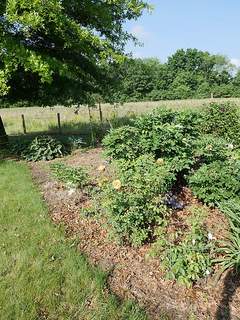
Breeder: Eugene S. Boerner. Year: 1958. Type: Floribunda. Colour: Dark red. Scent: Strong. USDA zones: 6b-9b.
Plant in full sun in fertile, well-drained soil; prune in late winter, feed in spring and deadhead spent clusters for repeat flowering, and mulch in autumn. Give good air flow and watch for black spot in damp summers.
Breeder: Meilland. Year: 1976. Type: Hybrid Tea. Scent: Mild. USDA zones: 7-9.
Plant in full sun (6+ hours) in fertile, well-drained soil in a sheltered UK spot; prune in late winter to outward-facing buds, feed in spring, deadhead for repeat flowering and mulch in autumn. Give good air flow and watch for black spot and mildew in damp summers.
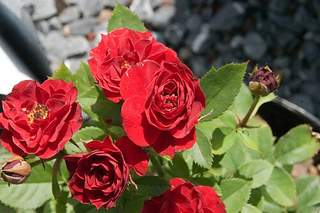
Breeder: Ralph Moore. Year: 1984. Type: Miniature. Colour: Red. Scent: Mild. USDA zones: 5-9.
Full sun in a pot or at the front of a border in free-draining compost or soil; keep pots watered in dry weather and feed through summer. Prune lightly in late winter, deadhead spent blooms, and protect pots from hard frost in colder UK areas.
Breeder: de Ruiter. Year: Unknown. Type: Patio. Colour: Red-white. Scent: Light. USDA zones: 6b-9b.
Plant in full sun in a border or large pot in fertile, free-draining soil or compost; deadhead regularly, feed through the season and water pots in dry spells.
Breeder: Eugene S. Boerner. Year: 1958. Type: Floribunda. Colour: Dark red. Scent: Moderate. USDA zones: 5-9.
Plant in full sun in fertile, well-drained soil; prune in late winter, feed in spring and deadhead spent clusters for repeat flowering, and mulch in autumn. Give good air flow and watch for black spot in damp summers.
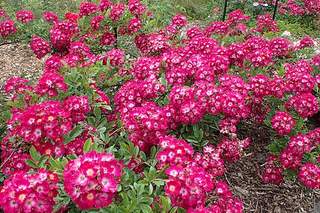
Breeder: Harkness. Year: 1990. Type: Floribunda. Colour: Red. Scent: Moderate. USDA zones: 5-9.
Plant in full sun in fertile, well-drained soil. Feed in spring and midsummer; water in dry spells. Deadhead clusters to keep flowers coming. Prune lightly in late winter, shaping the bush and removing dead wood. Mulch in spring. Generally disease-resistant, but watch for black spot in wet seasons.
Breeder: Dickson. Year: 1914. USDA zones: 5-9.
Breeder: Herbert C. Swim. Year: 1954. Type: Floribunda. Colour: Red. USDA zones: 6b-9b.
Plant in full sun in fertile, well-drained soil; prune in late winter, feed in spring and deadhead spent clusters for repeat flowering, and mulch in autumn. Give good air flow and watch for black spot in damp summers.
Breeder: David Austin. Year: 1973. Type: English Shrub Rose. Colour: Red. Scent: Moderate. USDA zones: 5-9.
Plant in full sun or light shade in fertile, well-drained soil. Feed in spring; mulch with compost or well-rotted manure. Water in dry spells, especially in the first year. Prune lightly in late winter, removing dead and weak wood and shaping the bush. Deadhead for repeat flowering. Tolerates a range of UK soils.
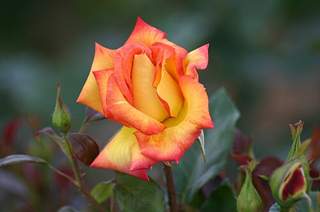
Breeder: Dickson. Year: 1967. Type: Floribunda. Colour: Red-yellow blend. Scent: Moderate. USDA zones: 5-9.
Full sun, fertile well-drained soil; mulch in spring, feed twice a season, and deadhead regularly.
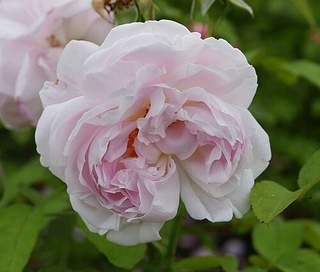
Breeder: David Austin. Year: 1992. Type: English Shrub Rose. Colour: Pink. Scent: Strong. USDA zones: 5-9.
A shrub rose for a sunny or lightly shaded border in rich, moisture-retentive soil. Feed in spring and mulch to keep roots cool and moist. Light pruning after flowering or in late winter; remove crossing stems. Water well while establishing. Generally hardy and disease-resistant in UK gardens.
Breeder: Poulsen. Year: 2010. Type: Climbing. Colour: Yellow. Scent: Mild. USDA zones: 5-9.
Plant in full sun against a sturdy support in sheltered fertile well-drained soil; tie in new growth, prune after flowering and feed in spring, with good air flow to limit mildew in damp UK summers.
Breeder: Gyeongnam Agricultural Research and Extension Services. Year: Not. Colour: Red. USDA zones: 6-9.
Plant in full sun in fertile, free-draining soil; mulch in spring, feed with rose fertiliser, prune in late winter and deadhead for repeat flowering; good air flow helps prevent disease in the UK climate.
Breeder: Nola Simpson. Type: Hybrid Tea. Colour: Pink. Scent: Moderate. USDA zones: 5-9.
Plant in full sun in fertile, well-drained soil; prune in late winter, feed in spring, deadhead for repeat flowering and mulch in autumn.
Breeder: Alister Clark. Year: 1929. Type: Climber. Colour: White. USDA zones: 6-9.
Train on a sunny wall, fence, arch or pergola in fertile, well-drained soil; tie canes as horizontally as possible for more flowers, prune lightly in late winter, deadhead for repeat flowering, feed in spring and mulch in autumn.
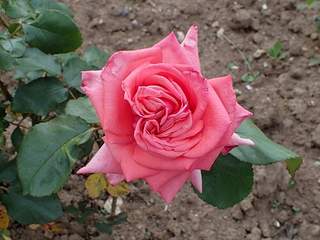
Breeder: McGredy. Year: 1966. USDA zones: 5-9.
General guidance only — no specific care record survives for this rose: plant in full sun in fertile, well-drained soil; water in dry spells; feed with rose fertiliser in spring; prune in late winter and deadhead for repeat flowering.
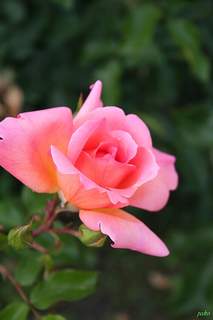
Breeder: William A. Warriner. Year: 1986. Type: Hybrid Tea. Colour: White blend or white. Scent: Strong. USDA zones: 5-9.
Plant in full sun in fertile, well-drained soil in a sheltered UK spot; prune in late winter, feed in spring and deadhead for repeat flowering, and mulch in autumn, protecting the graft union in colder areas. Give good air flow and watch for black spot and mildew in damp summers.
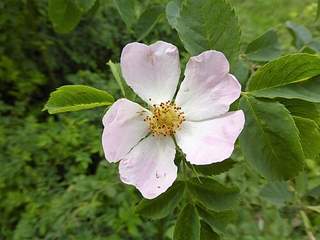
Breeder: Gergely Márk. Type: Floribunda. USDA zones: 5–9.
Full sun, fertile well-drained soil; mulch in autumn and prune in late winter. Bred for cold continental winters, so hardy in the UK; give good air flow and watch for blackspot in wet summers.
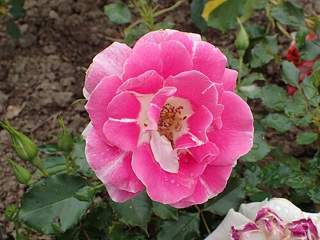
Breeder: McGredy. Year: 1979. Type: Floribunda. Colour: Pink-white striped. Scent: Mild. USDA zones: 5-9.
Substitute for Kildare (no McGredy rose of that name found). Needs full sun, fertile well-drained soil and spring feeding in the UK.
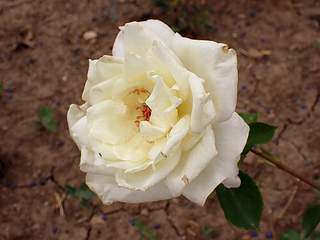
Breeder: Nakashima. Year: Before 2015. Type: Floribunda. USDA zones: 6-9.
Bred for Japan's hot, humid summers; in the UK give full sun in fertile, free-draining soil in a sheltered spot, mulch in spring, feed with rose fertiliser, prune in late winter and deadhead for repeat flowering; good air flow helps prevent disease.
Breeder: V. W. Wells. Year: 2006. Type: Miniflora. Colour: Red blend. USDA zones: 5-9.
Plant in full sun in fertile, well-drained soil; a compact miniflora for pots and small borders — prune lightly in late winter, feed in spring and deadhead for repeat flowering; mulch in cold winters.
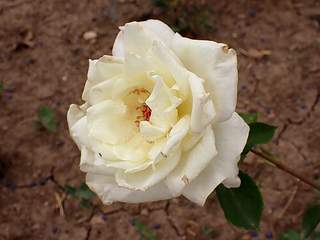
Breeder: Pedro Dot. Year: 1945. Type: Hybrid Tea. USDA zones: 6-9.
Plant in full sun in fertile, humus-rich, moist but well-drained soil; mulch in late winter; feed with rose fertiliser in spring and again in early summer; prune in late winter; deadhead for repeat flowering; good air flow helps prevent disease in the UK climate.
Breeder: R. Poulsen. Year: 2002. Type: Miniflora. Colour: Medium pink. Scent: Light. USDA zones: 5-9.
Plant in full sun in fertile, well-drained soil; a compact miniflora for pots and small borders — prune lightly in late winter, feed in spring and deadhead for repeat flowering; mulch in cold winters.
Breeder: Delbard. Year: 2011. Type: Floribunda. Scent: Moderate. USDA zones: 6-9.
Plant in full sun (6+ hours) in fertile, well-drained soil; prune lightly in late winter, feed in spring, deadhead spent clusters for repeat flowering and mulch in autumn. Give good air flow and watch for black spot in damp summers.
Breeder: Atsuya Iwashita. Year: 2018. Type: Shrub. USDA zones: 5-9.
Full sun; fertile well-drained soil; water and feed through the growing season; mulch in spring; prune in late winter/early spring; deadhead to encourage repeat flowering.
Breeder: Lambert. Year: 1898. Type: Tea. Colour: Pink blend. USDA zones: 6-9.
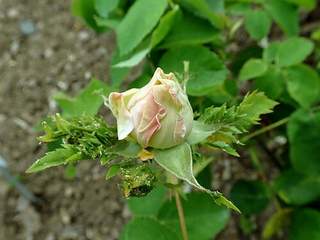
Breeder: Peter Lambert. Year: 1931. Type: Hybrid Tea. Colour: Pink blend. USDA zones: 5-9.
Breeder: Unknown. Year: pre-1830. Type: Centifolia. Colour: White. Scent: Strong. USDA zones: 4-9.
Once-flowering in early summer. Full sun in rich, well-drained soil; lax canes may need support. Prune after flowering, removing old wood; mulch in spring and give good air flow to limit mildew.
Breeder: Unknown. Year: pre-1830. Type: Moss. Colour: White. Scent: Strong. USDA zones: 4-9.
Once-flowering (some repeat). Full sun in fertile, well-drained soil; the mossy buds are fragrant when touched. Prune after flowering, keep air circulating, and avoid wetting the foliage; mulch in spring.
Breeder: Louis Lens. Year: 1994. Type: Shrub. USDA zones: 5-9.
Plant in full sun in fertile, well-drained soil; this hardy shrub needs little winter protection in most of the UK - mulch in autumn, prune lightly in late winter, feed in spring and deadhead for repeat flowering.
Breeder: Unknown. Year: pre-1830. Type: Centifolia. Colour: Pink. Scent: Strong. USDA zones: 4-9.
Once-flowering in early summer. Full sun in rich, well-drained soil; lax canes may need support. Prune after flowering, removing old wood; mulch in spring and give good air flow to limit mildew.
Breeder: Unknown. Year: pre-1830. Type: Gallica. Colour: Pink. Scent: Strong. USDA zones: 4-8.
Once-flowering in early summer. Full sun in fertile, well-drained soil; tolerates poorer soil and some shade, and suckers freely - give it room. Prune lightly after flowering, removing old wood; very hardy and generally healthy in the UK.
Breeder: Unknown. Year: pre-1830. Type: Moss. Colour: Pink. Scent: Strong. USDA zones: 4-9.
Once-flowering (some repeat). Full sun in fertile, well-drained soil; the mossy buds are fragrant when touched. Prune after flowering, keep air circulating, and avoid wetting the foliage; mulch in spring.
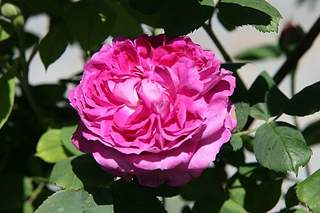
Breeder: Mille-Mallet. Year: 1860. Type: Hybrid Perpetual. Colour: Violet-mauve. Scent: Strong. USDA zones: 4-9.
Repeat-flowering, often with a big summer flush and autumn repeat. Vigorous; full sun in rich, well-drained soil, fed well in spring. Prune in late winter, deadhead regularly, and watch for mildew and black spot in damp summers.
Breeder: Unknown. Year: 1879. Type: Tea. Colour: Pink. Scent: Moderate tea. USDA zones: 7-10.
Repeat-flowering. Tender in the UK - plant against a warm, sheltered south or west wall in fertile, well-drained soil. Prune in spring after frosts, mulch thickly in autumn, and feed in spring; protect from hard frost.
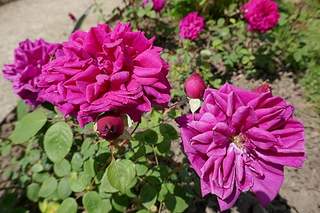
Breeder: Soupert & Notting. Year: 1905. Type: Hybrid Tea. Scent: Intense fragrance. USDA zones: 5–9.
Full sun, fertile well-drained soil; prune in early spring, cutting back by about a third; feed in spring; mulch annually; watch for blackspot in wet UK summers.
Breeder: Schwartz. Type: Tea. USDA zones: 7-10.
Breeder: Unknown. Year: 1878. Type: Bourbon. Colour: Cherry red. Scent: Strong. USDA zones: 5-10.
Repeat-flowering. Vigorous, often arching; full sun in fertile, well-drained soil, trained on a wall or pillar if wanted. Prune in late winter, feed in spring, deadhead regularly; watch for black spot and mildew in damp UK summers.
Breeder: Soupert & Notting. Year: 1885. Type: Tea. Colour: Flesh, shaded lightly with yellow. Scent: Very fragrant. USDA zones: 7-10.
Breeder: Nabonnand. Year: 1881. Type: Tea. USDA zones: 7-10.
Breeder: Nabonnand. Year: 1881. Type: Hybrid Tea. Colour: Crimson-red. Scent: Fragrant. USDA zones: 5-9.
Breeder: Dominique Massad. Year: Before 2010. Type: Shrub. Scent: Strong. USDA zones: 6-9.
Plant in full sun in fertile, free-draining soil; mulch in spring, feed with rose fertiliser, prune in late winter and deadhead for repeat flowering; good air flow helps prevent disease in the UK climate.
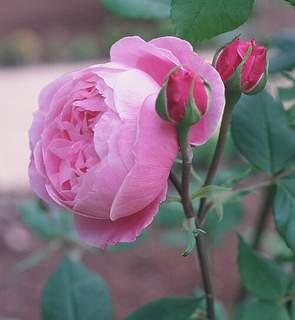
Breeder: Unknown. Year: pre-1830. Type: Bourbon. Colour: Pink. Scent: Strong. USDA zones: 5-10.
Repeat-flowering. Vigorous, often arching; full sun in fertile, well-drained soil, trained on a wall or pillar if wanted. Prune in late winter, feed in spring, deadhead regularly; watch for black spot and mildew in damp UK summers.
Breeder: Shunsuke Takeuchi. Year: Before 2020. Type: Floribunda. USDA zones: 6-9.
Bred for Japan's hot, humid summers; in the UK give full sun in fertile, free-draining soil in a sheltered spot, mulch in spring, feed with rose fertiliser, prune in late winter and deadhead for repeat flowering; good air flow helps prevent disease.
Breeder: Ludwig Taschner. Type: Antico Moderno. Colour: Cream with a delicate pink tinge. Scent: Strong. USDA zones: 6-9.
Tall, shrubby old-style hybrid tea type; plant in full sun in fertile, humus-rich, moist but well-drained soil; allow room as it grows tall; feed in spring, deadhead for repeat flowering and prune lightly in late winter; mulch in autumn.
Breeder: Meilland. Year: 1993. Type: Shrub. USDA zones: 6-9.
Plant in full sun in fertile, well-drained soil with room to grow; prune lightly in late winter, feed in spring and mulch in autumn. Give good air flow and watch for black spot in damp summers.
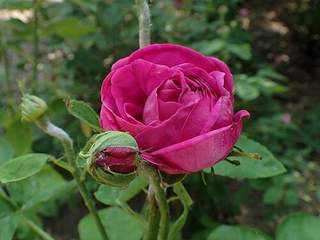
Breeder: Delbard. Type: Shrub. USDA zones: 5-9.
Plant in full sun in fertile, well-drained soil; this hardy shrub needs little winter protection in most of the UK - mulch in autumn, prune lightly in late winter, feed in spring and deadhead for repeat flowering.
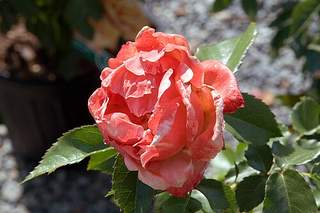
Breeder: Ludwig Taschner. Type: Antico Moderno. Colour: Silver-grey with ochre-brown centre. USDA zones: 6-9.
Tall, shrubby old-style hybrid tea type; plant in full sun in fertile, humus-rich, moist but well-drained soil; allow room as it grows tall; feed in spring, deadhead for repeat flowering and prune lightly in late winter; mulch in autumn.
Breeder: R & C Sparks. Type: Miniflora. Colour: White. USDA zones: 5-9.
Plant in full sun in fertile, well-drained soil; a compact miniflora for pots and small borders — prune lightly in late winter, feed in spring and deadhead for repeat flowering; mulch in cold winters.
Breeder: R. Sawyer. Year: 2010. Type: Miniflora. Colour: Red blend. USDA zones: 5-9.
Plant in full sun in fertile, well-drained soil; a compact miniflora for pots and small borders — prune lightly in late winter, feed in spring and deadhead for repeat flowering; mulch in cold winters.

Breeder: Harkness. Year: 1992. Type: Floribunda. Colour: Red. Scent: Mild. USDA zones: 5-10.
Substituted for The Times, which is Kordes' Mariandel not Harkness. Full sun and fertile, well-drained soil; deadhead for repeat flowering and prune lightly in late winter.
Breeder: Gergely Márk. Type: Floribunda. USDA zones: 5–9.
Full sun, fertile well-drained soil; mulch in autumn and prune in late winter. Bred for cold continental winters, so hardy in the UK; give good air flow and watch for blackspot in wet summers.
Breeder: Atsuya Iwashita. Year: Before 2016. Type: Shrub. Colour: Pink. Scent: Damask-Modern. USDA zones: 6-9.
Bred for Japan's hot, humid summers; in the UK give full sun in fertile, free-draining soil in a sheltered spot, mulch in spring, feed with rose fertiliser, prune in late winter and deadhead for repeat flowering; good air flow helps prevent disease.
Breeder: Proven Winners. Year: 2021. Type: Shrub. Colour: Coral. Scent: Mild. USDA zones: 4-9.
Full sun (6+ hours) in fertile, moist but well-drained soil in a sheltered UK spot; mulch in spring, feed in spring and early summer, and water in dry spells. Prune lightly in late winter, removing dead and crossing wood, and deadhead for repeat flowering.
Breeder: Proven Winners. Type: Shrub. Colour: Creamy white. Scent: Strong. USDA zones: 4-9.
Plant in full sun in fertile, humus-rich, moist but well-drained soil; mulch in late winter; feed with rose fertiliser in spring and again in early summer; prune in late winter; good air flow helps prevent disease in the UK climate.
Breeder: Proven Winners. Type: Shrub. Scent: Strong. USDA zones: 4-9.
Plant in full sun in fertile, humus-rich, moist but well-drained soil; mulch in late winter; feed with rose fertiliser in spring and again in early summer; prune in late winter; good air flow helps prevent disease in the UK climate.
Breeder: Proven Winners. Year: 2020. Type: Shrub. Colour: Pink. Scent: Mild. USDA zones: 4-9.
Full sun (6+ hours) in fertile, moist but well-drained soil in a sheltered UK spot; mulch in spring, feed in spring and early summer, and water in dry spells. Prune lightly in late winter, removing dead and crossing wood, and deadhead for repeat flowering.
Breeder: Proven Winners. Type: Shrub. Colour: Yellow. Scent: Strong. USDA zones: 4-9.
Plant in full sun in fertile, humus-rich, moist but well-drained soil; mulch in late winter; feed with rose fertiliser in spring and again in early summer; prune in late winter; good air flow helps prevent disease in the UK climate.
Breeder: McGredy. Year: 1998. USDA zones: 5-9.
Plant in full sun in fertile, humus-rich, moist but well-drained soil; mulch in late winter; feed with rose fertiliser in spring and again in early summer; prune in late winter; good air flow helps prevent disease in the UK climate.
Breeder: Josef Strnad. Year: 1999. USDA zones: 5–9.
Full sun in fertile, well-drained soil; prune in late winter, feed in spring and deadhead for repeat flowering; hardy in most of the UK.
Breeder: E. G. Hill. Year: 1911. Type: Hybrid Tea. USDA zones: 6b-9b.
Full sun, fertile well-drained soil; feed in spring; prune lightly in late winter; mulch; watch for black spot and mildew
Breeder: Ralph Moore. Year: 1954. Type: Climbing Floribunda. Colour: Pink. Scent: Mild. USDA zones: 5-9.
Full sun on a sheltered wall or fence; rich, well-drained soil with spring mulch; train stems horizontally; prune in late winter, removing dead wood; feed in spring; deadhead for repeat flowering; watch for blackspot in damp UK summers.
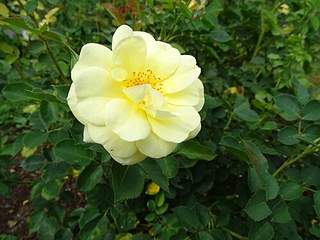
Breeder: Harkness. Year: 1994. Type: Hybrid Tea. Colour: Pink. Scent: Moderate. USDA zones: 5-9.
Give full sun and deep, rich soil improved with well-rotted manure. Mulch in spring to hold moisture. Feed in spring and after the first flush. Prune moderately in late winter, removing weak and crossing wood. Deadhead regularly. In wet UK summers, watch for black spot; pick off affected leaves early.
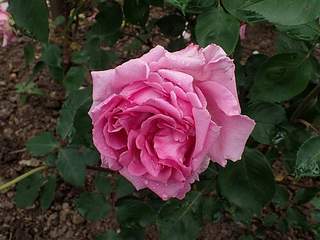
Breeder: Poulsen. Type: Patio rose. USDA zones: 5-9.
Grow in full sun in fertile, well-drained soil or a pot with good drainage; water in dry spells, feed in spring, deadhead regularly, and protect pots from hard frost.
Breeder: Meilland. Year: 1987. Type: Hybrid Tea. Scent: Strong. USDA zones: 7-9.
Plant in full sun (6+ hours) in fertile, well-drained soil in a sheltered UK spot; prune in late winter to outward-facing buds, feed in spring, deadhead for repeat flowering and mulch in autumn. Give good air flow and watch for black spot and mildew in damp summers.
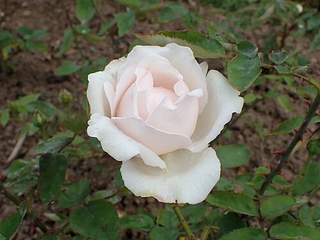
Breeder: René Barbier. Year: 1901. Type: Rambler. Colour: Pink. USDA zones: 5-9.
Train over a wall, arch or pergola in full sun in fertile, well-drained soil; tie in new growth, prune out old flowered wood after flowering, feed in spring and mulch in autumn.
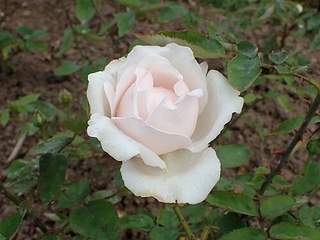
Breeder: Barbier. Year: 1901. Type: Rambler. Colour: Yellow-orange. Scent: Strong. USDA zones: 5-9.
Train over an arch, pergola, fence or wall in full sun in fertile, well-drained soil; flowers once in early summer in a big flush - prune out old flowered wood after flowering, tie in new growth, feed in spring and mulch in autumn.
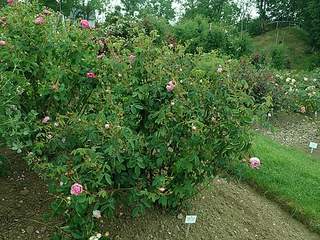
Breeder: Unknown. Year: 1853. Type: Moss. Colour: Pink. Scent: Strong. USDA zones: 4-9.
Once-flowering (some repeat). Full sun in fertile, well-drained soil; the mossy buds are fragrant when touched. Prune after flowering, keep air circulating, and avoid wetting the foliage; mulch in spring.
Breeder: Meilland. Year: 2005. Type: Hybrid Tea. Scent: Strong. USDA zones: 6-9.
Plant in full sun (6+ hours) in fertile, well-drained soil in a sheltered UK spot; prune in late winter to outward-facing buds, feed in spring, deadhead for repeat flowering and mulch in autumn. Give good air flow and watch for black spot and mildew in damp summers.
Breeder: Pernet-Ducher. Year: 1908. Type: Hybrid Tea. Colour: Salmon-flesh edged with carmine. Scent: Slightly fragrant. USDA zones: 6–9.
Sunny spot, rich well-drained soil; prune hard in spring, feed and mulch, watch for blackspot and mildew.
Breeder: R. Spooner. Year: 1995. Type: Miniflora. Colour: Light pink. USDA zones: 5-9.
Plant in full sun in fertile, well-drained soil; a compact miniflora for pots and small borders — prune lightly in late winter, feed in spring and deadhead for repeat flowering; mulch in cold winters.
Type: Miniature. Colour: Medium pink. USDA zones: 5-9.
Plant in full sun in fertile, well-drained soil; a compact miniature for pots and small borders — prune lightly in late winter, feed in spring and deadhead for repeat flowering; mulch in cold winters.
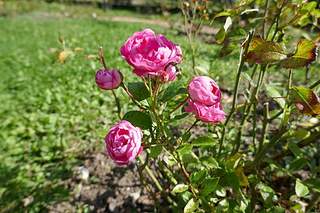
Breeder: Barbier. Year: 1911. Type: Polyantha. USDA zones: 5–9.
Breeder: Kiyoshi Imai. Year: 2021. Type: Shrub. USDA zones: 6-9.
Plant in full sun in fertile, free-draining soil; mulch in spring, feed with rose fertiliser, prune in late winter and deadhead for repeat flowering; good air flow helps prevent disease in the UK climate.
Breeder: Delbard. Type: Floribunda. USDA zones: 5-9.
Plant in full sun in fertile, well-drained soil; prune in late winter, feed in spring and deadhead spent clusters for repeat flowering, and mulch in autumn. Give good air flow and watch for black spot in damp summers.
Breeder: Peter Lambert. Year: 1913. Type: Hybrid Perpetual. Colour: Red. USDA zones: 4–9.
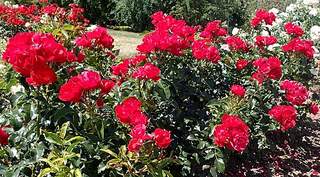
Breeder: Noack. Year: 2005. Type: Floribunda. Colour: Pink. Scent: Light. USDA zones: 5b-9b.
ADR winner. Full sun for 6+ hours in fertile, moist but well-drained soil; mulch in spring and feed for its heavy flowering, watering in dry spells. Prune lightly in late winter or early spring and deadhead regularly; good disease resistance in most modern floribundas, but still watch for black spot; hardy in most of the UK.
Breeder: P. Chessum. Year: 1997. Type: Miniflora. Colour: White. USDA zones: 5-9.
Plant in full sun in fertile, well-drained soil; a compact miniflora for pots and small borders — prune lightly in late winter, feed in spring and deadhead for repeat flowering; mulch in cold winters.
Breeder: Alister Clark. Year: 1938. Type: Hybrid Tea. Colour: Dark red. USDA zones: 6-9.
Plant in full sun in fertile, well-drained soil; prune in late winter, feed in spring, deadhead for repeat flowering and mulch in autumn.
Breeder: Pedro Dot. Year: 1949. Type: Hybrid Tea. Colour: Mauve. USDA zones: 6-9.
Plant in full sun in fertile, humus-rich, moist but well-drained soil; mulch in late winter; feed with rose fertiliser in spring and again in early summer; prune in late winter; deadhead for repeat flowering; good air flow helps prevent disease in the UK climate.
Breeder: George Schoener. Type: Hybrid Perpetual. Colour: Yellow with pink suffusion. USDA zones: 5-9.
Breeder: George Schoener. Type: Hybrid Tea. Colour: Red. USDA zones: 6b-9b.
Breeder: George Schoener. Type: Hybrid Tea. Colour: Cream yellow with coppery pink shading.
Breeder: Pernet-Ducher. Year: 1921. Type: Hybrid Tea. Colour: Coral-red shaded carmine. USDA zones: 6–9.
Sunny spot, rich well-drained soil; prune hard in spring, feed and mulch, watch for blackspot and mildew.
Breeder: Dickson. Year: 1904. USDA zones: 5-9.
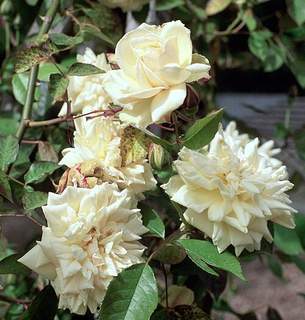
Breeder: Ducher. Year: 1869. Type: Noisette climber. Colour: Copper-yellow. Scent: Strong tea. USDA zones: 6-9.
Train on a sunny wall, fence, arch or pergola in fertile, well-drained soil; tie canes as horizontally as possible for more flowers, prune lightly in late winter, deadhead for repeat flowering, feed in spring and mulch in autumn.
Breeder: Meilland. Year: 2004. Type: Hybrid Tea. Colour: Yellow. Scent: Mild. USDA zones: 6-9.
Plant in full sun in fertile, well-drained soil in a sheltered UK spot; prune in late winter, feed in spring and deadhead for repeat flowering, and mulch in autumn, protecting the graft union in colder areas. Give good air flow and watch for black spot and mildew in damp summers.
Breeder: Eugene S. Boerner. Year: 1959. Type: Floribunda. Colour: Deep pink. Scent: Moderate. USDA zones: 6b-9b.
Plant in full sun in fertile, well-drained soil; prune in late winter, feed in spring and deadhead spent clusters for repeat flowering, and mulch in autumn. Give good air flow and watch for black spot in damp summers.
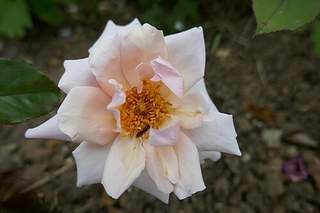
Breeder: Ketten Frères. Year: 1925.
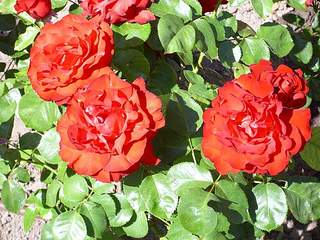
Breeder: De Ruiter. Type: Hybrid Tea. Colour: Red. USDA zones: 5-9.
Plant in full sun in fertile, well-drained soil in a sheltered UK spot; prune in late winter, feed in spring and deadhead for repeat flowering, and mulch in autumn, protecting the graft union in colder areas. Give good air flow and watch for black spot and mildew in damp summers.
Breeder: Dickson. USDA zones: 5-9.
Breeder: McGredy. Year: 1968. USDA zones: 5-9.
General guidance only — no specific care record survives for this rose: plant in full sun in fertile, well-drained soil; water in dry spells; feed with rose fertiliser in spring; prune in late winter and deadhead for repeat flowering.
Breeder: nukasz Rojewski. Year: 2022. USDA zones: 5–9.
Full sun in fertile, well-drained soil; feed in spring, deadhead for repeat flowering and prune in late winter; hardy in most of the UK.
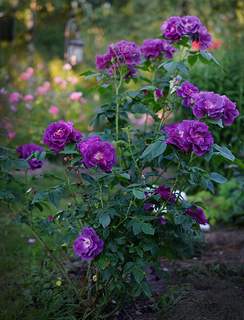
Breeder: William A. Warriner. Year: 1985. Type: Hybrid Tea. Colour: Pink. Scent: Mild. USDA zones: 6b-9.
Plant in full sun in fertile, well-drained soil in a sheltered UK spot; prune in late winter, feed in spring and deadhead for repeat flowering, and mulch in autumn, protecting the graft union in colder areas. Give good air flow and watch for black spot and mildew in damp summers.
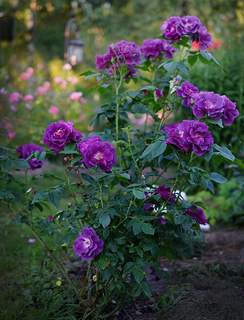
Breeder: Frank R. Cowlishaw. Year: 2003. Type: Shrub. Colour: Purple-blue. Scent: Strong. USDA zones: 5-9.
Plant in full sun in fertile, well-drained soil; this hardy shrub needs little winter protection in most of the UK - mulch in autumn, prune lightly in late winter, feed in spring and deadhead for repeat flowering.
Breeder: E. G. Hill. Year: 1908. Type: Hybrid Tea. Colour: Red. USDA zones: 6b-9b.
Full sun, fertile well-drained soil; feed in spring; prune lightly in late winter; mulch; watch for black spot and mildew
Breeder: Lambert. Year: 1889. Type: Tea. Colour: Orange-yellow. Scent: Strong. USDA zones: 6-9.
Tea rose; needs a warm, sheltered spot in the UK. Needs a warm, sunny, sheltered spot with 6+ hours of sun in fertile, moist but well-drained soil; mulch and mound soil over the graft in cold areas, as tea roses are less frost-hardy than most modern roses. Prune in late winter or early spring and watch for black spot and mildew.
Breeder: Brownell Family. Type: Climbing. Colour: Dark red. USDA zones: 3-9.
Very hardy to sub-zero winters; full sun, fertile well-drained soil; plant graft 3 inches below soil level; feed in spring; prune in late winter; mulch
Breeder: Fuminori Nukariya. Year: Before 2025. USDA zones: 6-9.
Bred for Japan's hot, humid summers; in the UK give full sun in fertile, free-draining soil in a sheltered spot, mulch in spring, feed with rose fertiliser, prune in late winter and deadhead for repeat flowering; good air flow helps prevent disease.
Breeder: de Ruiter. Year: Unknown. Type: Hybrid Tea. Colour: Pink. Scent: Light. USDA zones: 6b-9b.
Bred mainly as a cut or florists' rose; in a UK garden give it full sun in fertile, well-drained soil in a sheltered spot, feed in spring, water in dry spells and prune in late winter, and protect from hard frost.
Breeder: John Bailey. Year: 2002. Type: Miniflora. Colour: Dark red. USDA zones: 5-9.
Plant in full sun in fertile, well-drained soil; a compact miniflora for pots and small borders — prune lightly in late winter, feed in spring and deadhead for repeat flowering; mulch in cold winters.
Breeder: Ludwig Taschner. Type: Hybrid Tea. Colour: Deep cognac opening to cream and honey gold. Scent: Sweet.
Plant in full sun in fertile, humus-rich, moist but well-drained soil; mulch in late winter; feed with rose fertiliser in spring and again in early summer; prune in late winter; good air flow helps prevent disease in the UK climate.
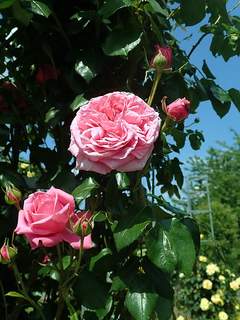
Breeder: William A. Warriner. Year: 1991. Type: Hybrid Tea. Colour: Pink. Scent: Mild. USDA zones: 5-9.
Plant in full sun in fertile, well-drained soil in a sheltered UK spot; prune in late winter, feed in spring and deadhead for repeat flowering, and mulch in autumn, protecting the graft union in colder areas. Give good air flow and watch for black spot and mildew in damp summers.
Breeder: R. Poulsen. Year: 2002. Type: Miniflora. Colour: White. Scent: None. USDA zones: 5-9.
Plant in full sun in fertile, well-drained soil; a compact miniflora for pots and small borders — prune lightly in late winter, feed in spring and deadhead for repeat flowering; mulch in cold winters.
Breeder: Ludwig Taschner. Type: Fairy Tale. Colour: Deep apricot changing to lilac pink. USDA zones: 6-9.
Plant in full sun in fertile well-drained soil; prune lightly in late winter and deadhead for repeat flowering; mulch in spring; good air flow helps prevent disease in the UK climate.
Breeder: Dickson. Year: 1924. Type: Hybrid Tea. Colour: Glowing cadmium yellow. Scent: Sweet. USDA zones: 5-9.
Plant in full sun in fertile, humus-rich, moist but well-drained soil; mulch in late winter; feed with rose fertiliser in spring and again in early summer; prune in late winter; good air flow helps prevent disease in the UK climate.
Breeder: Elbel. Year: 1927. USDA zones: 5–9.
Breeder: Robert Türke. Year: 1893. USDA zones: 5–9.
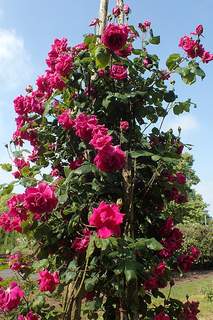
Breeder: E. G. Hill. Year: 1904. Type: Hybrid Tea. Colour: Red. Scent: Fragrant. USDA zones: 6b-9b.
Full sun, fertile well-drained soil; feed in spring; prune lightly in late winter; mulch; watch for black spot and mildew
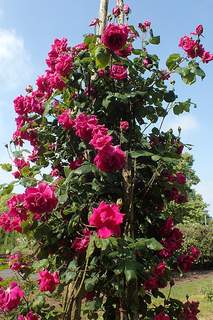
Breeder: Dickson. Year: 1912. Type: Climbing Hybrid Tea. USDA zones: 5-9.
Train over an arch, pergola or wall in full sun in fertile well-drained soil; prune out old flowered wood after flowering and tie in new growth; feed in spring.
Breeder: C. Greenwood. Year: 2003. Type: Miniflora. Colour: Orange-red. USDA zones: 5-9.
Plant in full sun in fertile, well-drained soil; a compact miniflora for pots and small borders — prune lightly in late winter, feed in spring and deadhead for repeat flowering; mulch in cold winters.
Breeder: Dennis Bridges. Year: 2006. Type: Miniflora. Colour: Dark red. Scent: Mild. USDA zones: 5-9.
Plant in full sun in fertile, free-draining soil, in a pot or at the front of a border; mulch in spring, feed with rose fertiliser, prune lightly in late winter and deadhead for repeat flowering; good air flow helps prevent disease in the UK climate.
Breeder: Geschwind. Year: 1890. Type: Hybrid Perpetual. Colour: Pink. Scent: Light. USDA zones: 5b-9b.
Now lost or out of commerce; no reliable modern UK care record survives for this rose, so no specific thrive advice can be given – do not invent care details for it.
Breeder: Hiroshi Mochizuki. Year: 2018. Type: Shrub. USDA zones: 5-9.
Full sun; fertile well-drained soil; water and feed through the growing season; mulch in spring; prune in late winter/early spring; deadhead to encourage repeat flowering.
Breeder: Keiji Kunieda. Year: 2015. USDA zones: 6-9.
No published care record - grow as a modern garden rose in the UK: full sun, sheltered spot, fertile well-drained soil, water in dry spells, feed in spring, prune in late winter.
Breeder: Meilland. Year: 1990. Type: Floribunda. Scent: None. USDA zones: 6-9.
Plant in full sun (6+ hours) in fertile, well-drained soil; prune lightly in late winter, feed in spring, deadhead spent clusters for repeat flowering and mulch in autumn. Give good air flow and watch for black spot in damp summers.
Breeder: Tetsuya Sakurai. Year: Before 2022. USDA zones: 6-9.
Bred for Japan's hot, humid summers; in the UK give full sun in fertile, free-draining soil in a sheltered spot, mulch in spring, feed with rose fertiliser, prune in late winter and deadhead for repeat flowering; good air flow helps prevent disease.
Breeder: Keith Zary. Year: 2000. Type: Hybrid Tea. Colour: Pink. Scent: Moderate. USDA zones: 5-9.
Plant in full sun in fertile well-drained soil; feed in spring, deadhead for repeat flowering and prune in late winter, with good air flow to limit blackspot in damp UK summers.
Breeder: Barni. Colour: Striped. USDA zones: 5-9.
Plant in full sun in fertile, free-draining soil; water well in the first season, mulch in spring, feed with rose fertiliser, deadhead repeat-flowering types and prune in late winter; good air flow helps prevent disease in the UK climate.
Breeder: Alister Clark. Year: 1922. Type: Climber. Colour: Pink blend with white centre. USDA zones: 6-9.
Train on a sunny wall, fence, arch or pergola in fertile, well-drained soil; tie canes as horizontally as possible for more flowers, prune lightly in late winter, deadhead for repeat flowering, feed in spring and mulch in autumn.
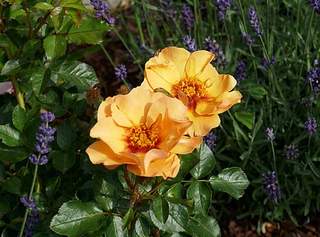
Breeder: Star Roses. Type: Floribunda. Colour: Pink-red blend. Scent: Mild. USDA zones: 5-9.
Full sun; rich, well-drained soil with spring mulch; light to moderate pruning in late winter; feed in spring and after the first flush; deadhead to encourage repeat flowering; watch for blackspot in damp UK summers.
Breeder: Star Roses. Type: Floribunda. Colour: Pink blend. Scent: Mild. USDA zones: 5-9.
Full sun; rich, well-drained soil with spring mulch; light to moderate pruning in late winter; feed in spring and after the first flush; deadhead to encourage repeat flowering; watch for blackspot in damp UK summers.
Breeder: Proven Winners. Type: Shrub. Colour: Pink. USDA zones: 4-9.
Plant in full sun in fertile, humus-rich, moist but well-drained soil; mulch in late winter; feed with rose fertiliser in spring and again in early summer; prune in late winter; good air flow helps prevent disease in the UK climate.
Breeder: P. Chessum. Year: 2006. Type: Miniflora. Colour: Deep yellow. Scent: Light. USDA zones: 5-9.
Plant in full sun in fertile, well-drained soil; a compact miniflora for pots and small borders — prune lightly in late winter, feed in spring and deadhead for repeat flowering; mulch in cold winters.
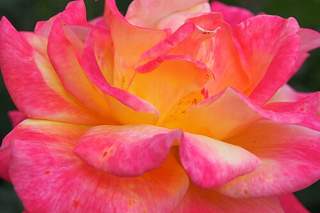
Breeder: Keith Zary. Year: 2005. Type: Hybrid Tea. Colour: Yellow and red. Scent: Moderate. USDA zones: 5-9.
Plant in full sun in fertile well-drained soil; feed in spring, deadhead for repeat flowering and prune in late winter, with good air flow to limit blackspot in damp UK summers.
Breeder: Ralph Moore. Year: 1977. Type: Miniature. Colour: Yellow. Scent: Mild. USDA zones: 5-9.
Full sun in a pot or at the front of a border in free-draining compost or soil; keep pots watered in dry weather and feed through summer. Prune lightly in late winter, deadhead spent blooms, and protect pots from hard frost in colder UK areas.
Breeder: Warner. Type: Floribunda. Colour: Amber. USDA zones: 5-9.
Plant in full sun in fertile, free-draining soil; mulch in spring, feed with rose fertiliser, prune in late winter and deadhead for repeat flowering; good air flow helps prevent disease in the UK climate.
Breeder: Proven Winners. Year: 2023. Type: Climber. Colour: Orange-yellow maturing pink. USDA zones: 4-9.
Train on a sunny wall, fence, arch or pergola in fertile, well-drained soil; tie canes as horizontally as possible for more flowers, prune lightly in late winter, deadhead for repeat flowering, feed in spring and mulch in autumn.
Breeder: Proven Winners. Year: 2021. Type: Shrub. Colour: Lilac-pink. Scent: Mild. USDA zones: 4-9.
Full sun (6+ hours) in fertile, moist but well-drained soil in a sheltered UK spot; mulch in spring, feed in spring and early summer, and water in dry spells. Prune lightly in late winter, removing dead and crossing wood, and deadhead for repeat flowering.
Breeder: Proven Winners. Year: 2020. Type: Shrub. Colour: Pink with dark eye. Scent: Mild. USDA zones: 4-9.
Full sun (6+ hours) in fertile, moist but well-drained soil in a sheltered UK spot; mulch in spring, feed in spring and early summer, and water in dry spells. Prune lightly in late winter, removing dead and crossing wood, and deadhead for repeat flowering.
Breeder: Sproul. Year: 2020. Type: Floribunda. Colour: Purple. USDA zones: 6-9.
No published care record - grow as a modern garden rose in the UK: full sun, sheltered spot, fertile well-drained soil, water in dry spells, feed in spring, prune in late winter.
Breeder: Harkness. Year: 1995. Type: Floribunda. Colour: Pink. Scent: Strong. USDA zones: 6-9.
Grow in a sunny, open position in well-fed soil. Water well in dry weather, aiming at the roots. Feed in spring and midsummer. Prune in late winter to keep the bush compact and open. Remove spent flower clusters. Mulch annually with garden compost.
Breeder: Spek. Type: Hybrid Tea. Colour: Dark red. Scent: Mild. USDA zones: 5-9.
Plant in full sun in fertile well-drained soil; prune in late winter, feed in spring, and deadhead for repeat Dark red blooms. This is a florist-bred cut rose, so in the UK give it the warmest sheltered spot and winter mulch; it needs warmth to flower well outdoors. Give at least 6 hours of sun a day in fertile, humus-rich, moist but well-drained soil in a sheltered UK spot.
Breeder: Fryer. Year: 1960. Type: Floribunda. Colour: Red. Scent: Strong. USDA zones: 6-9.
Loves sun and rich soil with good drainage. Add compost at planting and mulch each spring. Feed with rose food in spring and again in July. Light pruning in February, removing weak stems. Deadhead faded clusters for repeat bloom. Good air flow helps keep mildew away.
Breeder: Dee Bennett. Year: 1996. Type: Miniflora. Colour: Light yellow. Scent: Mild. USDA zones: 5-9.
Plant in full sun in fertile, free-draining soil, in a pot or at the front of a border; mulch in spring, feed with rose fertiliser, prune lightly in late winter and deadhead for repeat flowering; good air flow helps prevent disease in the UK climate.
Breeder: Eugene S. Boerner. Year: 1966. Type: Hybrid Tea. Colour: Yellow. USDA zones: 6b-9b.
Plant in full sun in fertile, well-drained soil in a sheltered UK spot; prune in late winter, feed in spring and deadhead for repeat flowering, and mulch in autumn, protecting the graft union in colder areas. Give good air flow and watch for black spot and mildew in damp summers.
Breeder: Kordes. Year: 1959. Type: Shrub. Colour: Pink. Scent: Mild. USDA zones: 5-9.
Plant in full sun in fertile well-drained soil with room to grow; prune lightly in late winter, feed in spring, and deadhead for repeat Pink flowering. Give at least 6 hours of sun a day in fertile, humus-rich, moist but well-drained soil in a sheltered UK spot.
Breeder: Hiroshi Mochizuki. Year: 2023. Type: Shrub. USDA zones: 6-9.
Bred for Japan's hot, humid summers; in the UK give full sun in fertile, free-draining soil in a sheltered spot, mulch in spring, feed with rose fertiliser, prune in late winter and deadhead for repeat flowering; good air flow helps prevent disease.
Breeder: W. Millington. Year: 2008. Type: Miniflora. USDA zones: 5-9.
Plant in full sun in fertile, well-drained soil; a compact miniflora for pots and small borders — prune lightly in late winter, feed in spring and deadhead for repeat flowering; mulch in cold winters.
Breeder: W. Millington. Year: 2008. Type: Miniflora. USDA zones: 5-9.
Plant in full sun in fertile, well-drained soil; a compact miniflora for pots and small borders — prune lightly in late winter, feed in spring and deadhead for repeat flowering; mulch in cold winters.
Breeder: Pemberton. Year: 1925. Type: Hybrid Musk. USDA zones: 5-9.
Breeder: Pedro Dot. Year: 1939. Type: Hybrid Tea. Colour: Orange-red. USDA zones: 6-9.
Plant in full sun in fertile, humus-rich, moist but well-drained soil; mulch in late winter; feed with rose fertiliser in spring and again in early summer; prune in late winter; deadhead for repeat flowering; good air flow helps prevent disease in the UK climate.
Breeder: Benetka. Year: 1993. USDA zones: 5–9.
Full sun in fertile, well-drained soil; prune in late winter, feed in spring and deadhead for repeat flowering; hardy in most of the UK.
Breeder: Hitoshi Nakajima. Year: 2025. Type: Shrub. USDA zones: 6-9.
No published care record
Breeder: Hitoshi Nakajima. Year: 2024. Type: Floribunda. Colour: White with pale pink centre. Scent: Damask-Modern. USDA zones: 6-9.
No published care record
Breeder: Tae Nakajima. Year: 2024. Type: Floribunda. USDA zones: 6-9.
No published care record
Breeder: Hitoshi Nakajima. Year: 2024. Type: Floribunda. USDA zones: 6-9.
No published care record
Breeder: Hitoshi Nakajima. Year: 2024. Type: Floribunda. USDA zones: 6-9.
No published care record
Breeder: Tae Nakajima. Year: 2024. Type: Miniature. USDA zones: 6-9.
No published care record
Breeder: Josef Strnad. Year: 1976. USDA zones: 5–9.
Full sun in fertile, well-drained soil; prune in late winter, feed in spring and deadhead for repeat flowering; hardy in most of the UK.
Breeder: Havel. Year: 2009. USDA zones: 5–9.
Full sun in fertile, well-drained soil; prune in late winter, feed in spring and deadhead for repeat flowering; hardy in most of the UK.
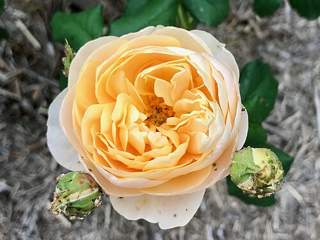
Breeder: David Austin. Year: 2016. Type: English Shrub Rose. Colour: Apricot. Scent: Medium, Tea. USDA zones: 5-11.
Full sun for 6+ hours in fertile, moist but well-drained soil; mulch in spring and water well in dry spells. Prune in late winter/early spring, cutting back by about a third, and watch for black spot and mildew; fully hardy in UK winters.
Breeder: Harkness. Year: 2023. Type: Shrub. Colour: Saffron-yellow. USDA zones: 5-9.
Plant in full sun in fertile, humus-rich, moist but well-drained soil; mulch in late winter; feed with rose fertiliser in spring and again in early summer; prune in late winter; good air flow helps prevent disease in the UK climate.
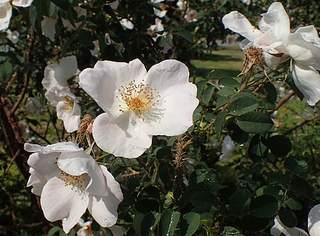
Breeder: David Austin. Year: 1985. Type: English Shrub Rose. Colour: Red. Scent: Strong. USDA zones: 5-9.
Give sun and deep, fertile soil. Mulch in spring and feed with rose fertiliser. Prune in late winter, thinning the centre to let air in. Deadhead spent blooms where practical. Water during dry spells. Hardy across the UK; protect young plants from strong winds.
Breeder: Junko Kawamoto. Year: 2011. Type: Shrub. Colour: Pink. Scent: Moderate. USDA zones: 6-9.
Plant in full sun in fertile, free-draining soil; mulch in spring, feed with rose fertiliser, prune in late winter and deadhead for repeat flowering; good air flow helps prevent disease in the UK climate.
Breeder: Louis Lens. Year: 1966. Type: Floribunda. USDA zones: 5-9.
Plant in full sun in fertile, well-drained soil; prune in late winter, feed in spring and deadhead spent clusters for repeat flowering, and mulch in autumn. Give good air flow and watch for black spot in damp summers.
Breeder: Louis Lens. Year: 1996. Type: Shrub. USDA zones: 5-9.
Plant in full sun in fertile, well-drained soil; this hardy shrub needs little winter protection in most of the UK - mulch in autumn, prune lightly in late winter, feed in spring and deadhead for repeat flowering.
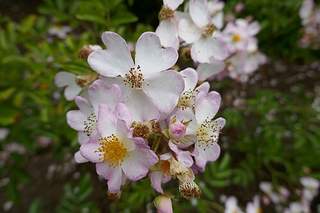
Breeder: Louis Lens. Year: 1995. Type: Shrub. USDA zones: 5-9.
Plant in full sun in fertile, well-drained soil; this hardy shrub needs little winter protection in most of the UK - mulch in autumn, prune lightly in late winter, feed in spring and deadhead for repeat flowering.
Breeder: Louis Lens. Year: 1995. Type: Shrub. Colour: Pink. USDA zones: 5-9.
Plant in full sun in fertile, well-drained soil; this hardy shrub needs little winter protection in most of the UK - mulch in autumn, prune lightly in late winter, feed in spring and deadhead for repeat flowering.
Breeder: Wilhelm Hinner. Year: 1905. USDA zones: 5–9.
Breeder: J. C. Schmidt. Year: 1920. USDA zones: 5–9.
Breeder: Dickson. Year: 1897. USDA zones: 5-9.
Breeder: E. G. Hill. Year: 1911. Type: Hybrid Tea. USDA zones: 6b-9b.
Full sun, fertile well-drained soil; feed in spring; prune lightly in late winter; mulch; watch for black spot and mildew
Breeder: Dickson. Year: 1911. USDA zones: 5-9.
Breeder: Unknown. Year: 1830. Type: Gallica. Colour: Red and pink striped. Scent: Strong. USDA zones: 4-9.
Very hardy - Plant in full sun in fertile, well-drained soil; prune lightly after flowering, feed in spring and mulch in autumn. Once-flowering types need little deadheading.
Breeder: NIRP International. Type: Hybrid Tea. USDA zones: 5-9.
Plant in full sun in fertile, humus-rich, moist but well-drained soil; mulch in late winter; feed with rose fertiliser in spring and again in early summer; prune in late winter; good air flow helps prevent disease in the UK climate.
Breeder: Barni. Type: Shrub. Colour: Pink. USDA zones: 5-9.
Plant in full sun in fertile, well-drained soil; this hardy shrub needs little winter protection in most of the UK - mulch in autumn, prune lightly in late winter, feed in spring and deadhead for repeat flowering.
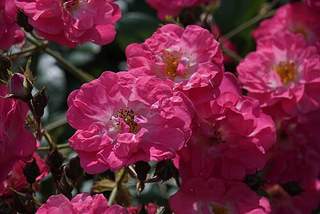
Breeder: Dot. Year: 1956. Type: Miniature. Colour: Medium red. Scent: Mild. USDA zones: 5-9.
Full sun in a pot or at the front of a border in free-draining compost or soil; keep pots watered in dry weather and feed through summer. Prune lightly in late winter, deadhead spent blooms, and protect pots from hard frost in colder UK areas.
Breeder: P. Alonzo Jr.. Year: 2005. Type: Miniflora. Colour: Dark red. USDA zones: 5-9.
Plant in full sun in fertile, well-drained soil; a compact miniflora for pots and small borders — prune lightly in late winter, feed in spring and deadhead for repeat flowering; mulch in cold winters.
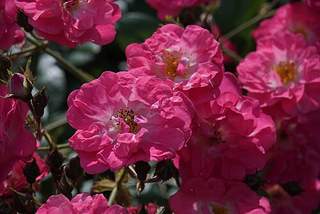
Breeder: Pemberton. Year: 1927. Type: Shrub. Colour: Red. Scent: Mild. USDA zones: 5-9.
Full sun (6+ hours) in fertile, moist but well-drained soil in a sheltered UK spot; mulch in spring, feed in spring and early summer, and water in dry spells. Prune lightly in late winter, removing dead and crossing wood, and deadhead for repeat flowering.
Breeder: Interplant. Year: 1983. Type: Miniflora. Colour: Red blend. USDA zones: 5-9.
Plant in full sun in fertile, well-drained soil; a compact miniflora for pots and small borders — prune lightly in late winter, feed in spring and deadhead for repeat flowering; mulch in cold winters.
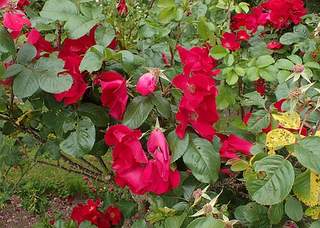
Breeder: Kordes. Year: 1979. Type: Shrub. Colour: Red. Scent: Light. USDA zones: 4b-9b.
Rugosa hybrid; very hardy and disease-resistant. Full sun for 6+ hours in fertile, moist but well-drained soil; mulch in spring and feed lightly, watering in dry spells. Prune lightly in late winter or early spring to keep its shape and deadhead for repeat flowering; hardy in most of the UK.
Breeder: P. Dickson. Year: 1993. Type: Miniflora. Colour: Medium red. USDA zones: 5-9.
Plant in full sun in fertile, well-drained soil; a compact miniflora for pots and small borders — prune lightly in late winter, feed in spring and deadhead for repeat flowering; mulch in cold winters.
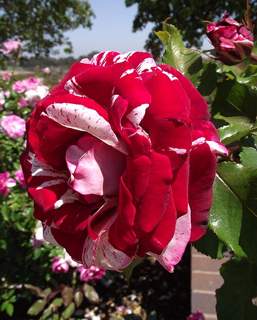
Breeder: Tom Carruth. Year: 2006. Type: Grandiflora. Colour: Red and white striped. Scent: Strong. USDA zones: 5-9.
Plant in full sun in fertile well-drained soil; feed in spring, deadhead for repeat flowering and prune in late winter, with good air flow to limit blackspot in damp UK summers.
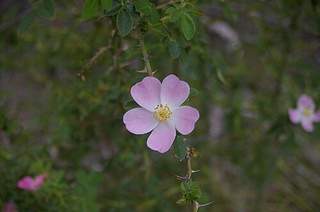
Breeder: Gyeonggi Agricultural Research and Extension Services. USDA zones: 6-9.
Plant in full sun in fertile, free-draining soil; mulch in spring, feed with rose fertiliser, prune in late winter and deadhead for repeat flowering; good air flow helps prevent disease in the UK climate.
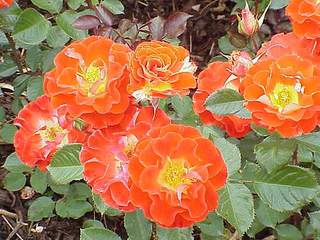
Breeder: McGredy. Type: Floribunda. USDA zones: 5-9.
Plant in full sun in fertile, well-drained soil; feed in spring, mulch, deadhead regularly for repeat flowering, prune lightly in spring, and watch for blackspot in wet UK summers.
Breeder: J. Singer. Year: 2008. Type: Miniflora. Colour: Orange-red. USDA zones: 5-9.
Plant in full sun in fertile, well-drained soil; a compact miniflora for pots and small borders — prune lightly in late winter, feed in spring and deadhead for repeat flowering; mulch in cold winters.
Breeder: Brad Jalbert. Colour: Vivid red. USDA zones: 5-9.
Plant in full sun in fertile, well-drained soil; prune in late winter, feed in spring and deadhead for repeat flowering; give good air flow in damp UK summers.
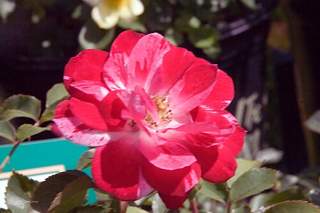
Breeder: Tom Carruth. Year: 1997. Type: Shrub. Colour: Pink. Scent: Mild. USDA zones: 5-9.
Plant in full sun in fertile well-drained soil; mulch in spring and prune lightly in late winter, deadheading for repeat flowering, with good air flow in damp UK summers.

Breeder: McGredy. Year: 1979. USDA zones: 5-9.
Plant in full sun in fertile, humus-rich, moist but well-drained soil; mulch in late winter; feed with rose fertiliser in spring and again in early summer; prune in late winter; good air flow helps prevent disease in the UK climate.
Breeder: V. W. Wells. Year: 2004. Type: Miniflora. Colour: Orange-red. Scent: Light. USDA zones: 5-9.
Plant in full sun in fertile, well-drained soil; a compact miniflora for pots and small borders — prune lightly in late winter, feed in spring and deadhead for repeat flowering; mulch in cold winters.
Breeder: McGredy. Year: 1964. USDA zones: 5-9.
General guidance only — no specific care record survives for this rose: plant in full sun in fertile, well-drained soil; water in dry spells; feed with rose fertiliser in spring; prune in late winter and deadhead for repeat flowering.
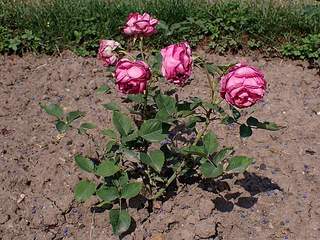
Breeder: Bob Hamilton. Year: 1949. USDA zones: 6-9.

Breeder: McGredy. USDA zones: 5-9.
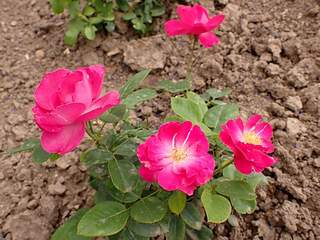
Breeder: Poulsen. Year: 1912. Type: Polyantha Hybrid. Colour: Cherry red. USDA zones: 4-9.
Breeder: Meilland. Year: 2000. Type: Shrub. Scent: None. USDA zones: 6-9.
Plant in full sun in fertile, well-drained soil with room to grow; prune lightly in late winter, feed in spring and mulch in autumn. Give good air flow and watch for black spot in damp summers.
Breeder: Tantau. Year: 1994. Type: Shrub. Colour: Raspberry red. Scent: Mild. USDA zones: 5-9.
Plant in full sun in fertile well-drained soil with room to grow; prune lightly in late winter, feed in spring, and deadhead for repeat Raspberry red flowering. Give at least 6 hours of sun a day in fertile, humus-rich, moist but well-drained soil in a sheltered UK spot.
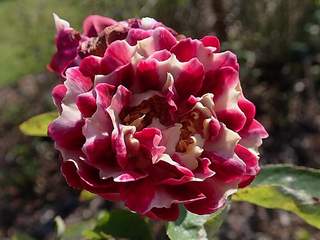
Breeder: Unknown. Year: 1890. Type: Hybrid Perpetual. Colour: Crimson edged white. Scent: Strong. USDA zones: 4-9.
Repeat-flowering, often with a big summer flush and autumn repeat. Vigorous; full sun in rich, well-drained soil, fed well in spring. Prune in late winter, deadhead regularly, and watch for mildew and black spot in damp summers.
Breeder: Gaujard. Year: Unknown. Type: Hybrid Tea. Colour: Copper-gold. Scent: Moderate. USDA zones: 6b-9b.
Plant in full sun in a sheltered spot in fertile, humus-rich, moist but well-drained soil; feed in spring and again in early summer, water deeply in dry spells, deadhead spent blooms and prune in late winter to healthy outward buds. Also sold as 'King Alexander I'.
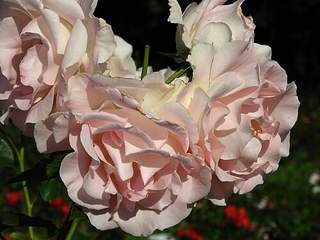
Breeder: Tantau. Year: 1987. Type: Shrub. Colour: Pink. Scent: Light. USDA zones: 5b-9b.
Full sun for 6+ hours in fertile, moist but well-drained soil; mulch in spring and feed lightly, watering in dry spells. Prune lightly in late winter or early spring to keep its shape and deadhead for repeat flowering; hardy in most of the UK.
Breeder: McGredy. Year: 1987. USDA zones: 5-9.
Plant in full sun in fertile, humus-rich, moist but well-drained soil; mulch in late winter; feed with rose fertiliser in spring and again in early summer; prune in late winter; good air flow helps prevent disease in the UK climate.
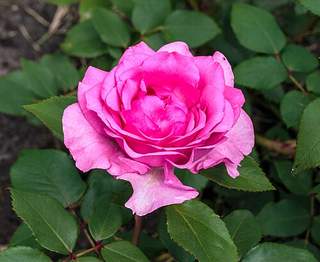
Breeder: Pedro Dot. Year: 1961. Type: Hybrid Tea. Colour: Pink. USDA zones: 6-9.
Plant in full sun in fertile, humus-rich, moist but well-drained soil; mulch in late winter; feed with rose fertiliser in spring and again in early summer; prune in late winter; deadhead for repeat flowering; good air flow helps prevent disease in the UK climate.
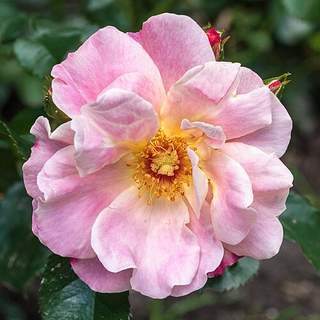
Breeder: Gabriela Roman & Stefan Wagner. USDA zones: 5–9.

Breeder: William A. Warriner. Year: 1983. Type: Hybrid Tea. Colour: Pink. Scent: Mild. USDA zones: 6b-9b.
Plant in full sun in fertile, well-drained soil in a sheltered UK spot; prune in late winter, feed in spring and deadhead for repeat flowering, and mulch in autumn, protecting the graft union in colder areas. Give good air flow and watch for black spot and mildew in damp summers.
Breeder: Tantau. Type: Floribunda. USDA zones: 5-9.
Plant in full sun in fertile, well-drained soil; prune in late winter, feed in spring, and deadhead spent blooms for repeat flowering. Give good air flow and watch for black spot in damp UK summers; mulch in autumn.
Breeder: Kordes. Year: 2010. Type: Floribunda. Colour: Pink. Scent: Light. USDA zones: 5b-9b.
Full sun for 6+ hours in fertile, moist but well-drained soil; mulch in spring and feed for its heavy flowering, watering in dry spells. Prune lightly in late winter or early spring and deadhead regularly; good disease resistance in most modern floribundas, but still watch for black spot; hardy in most of the UK.
Breeder: de Ruiter. Year: Unknown. Type: Hybrid Tea. Colour: Pink. Scent: Light. USDA zones: 6b-9b.
Bred mainly as a cut or florists' rose; in a UK garden give it full sun in fertile, well-drained soil in a sheltered spot, feed in spring, water in dry spells and prune in late winter, and protect from hard frost.
Breeder: NIRP International. Type: Spray rose.
Cut-flower rose bred for warm-climate greenhouse production (Kenya, Ecuador and Colombia); not a hardy UK garden rose — in the UK grow under glass or enjoy as cut florist roses; do not expect outdoor hardiness.
Breeder: Kordes. Year: 2012. Type: Climbing. Colour: Pink. Scent: Light. USDA zones: 5b-9b.
Climbing rose; train on a wall or pergola. Full sun for 6+ hours in fertile, moist but well-drained soil; mulch and feed in spring, watering well in dry spells. Train its canes on a trellis, arch or wall, tying in new growth and pruning after flowering; hardy in most of the UK.
Breeder: Takunori Kimura. Type: Climber. Colour: Salmon pink. Scent: Damask. USDA zones: 6-9.
Plant in full sun in fertile, free-draining soil against a support; mulch in spring, feed with rose fertiliser, tie in new growth, prune in late winter and deadhead for repeat flowering; good air flow helps prevent disease.
Breeder: Star Roses. Year: 2024. Type: Hybrid Tea. Colour: Pink. Scent: Moderate. USDA zones: 5-9.
Full sun in a sheltered spot; rich, well-drained soil with spring mulch; prune in late winter, keeping a tall framework; feed in spring and after the first flush; deadhead for repeat flowering; watch for blackspot and mildew in damp UK summers.

Breeder: Tantau. Year: 1984. Type: Shrub. Colour: Pink. Scent: Light. USDA zones: 5b-9b.
Full sun for 6+ hours in fertile, moist but well-drained soil; mulch in spring and feed lightly, watering in dry spells. Prune lightly in late winter or early spring to keep its shape and deadhead for repeat flowering; hardy in most of the UK.
Breeder: Jiang Zhengzhi. USDA zones: 6-9.
Bred for hot, humid summers in China; in the UK give full sun in fertile, free-draining soil in a sheltered spot, mulch in spring, feed with rose fertiliser, prune in late winter and deadhead for repeat flowering; good air flow helps prevent disease.
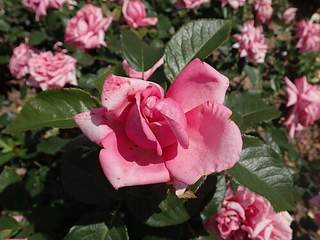
Breeder: Tantau. Type: Shrub. USDA zones: 5-9.
Plant in full sun in fertile, well-drained soil; this hardy shrub needs little winter protection in most of the UK - mulch in autumn, prune lightly in late winter, feed in spring and deadhead for repeat flowering.
Breeder: Stefan Wagner. USDA zones: 5–9.
Breeder: Ludwig Taschner. Type: Hybrid Tea. Colour: Red. USDA zones: 6-9.
Plant in full sun in fertile, humus-rich, moist but well-drained soil; mulch in late winter; feed with rose fertiliser in spring and again in early summer; prune in late winter; good air flow helps prevent disease in the UK climate.
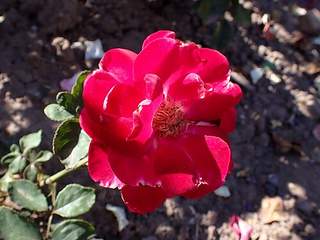
Breeder: Dr. Keith W. Zary. Year: 2003. Type: Hybrid Tea. Colour: Red, lighter reverse. USDA zones: 5b-9.
Plant in full sun in fertile, well-drained soil in a sheltered UK spot; prune in late winter, feed in spring and deadhead for repeat flowering, and mulch in autumn, protecting the graft union in colder areas. Give good air flow and watch for black spot and mildew in damp summers.
Breeder: Poulsen. Year: 2005. Type: Miniflora. Colour: Medium red. USDA zones: 5-9.
Plant in full sun in fertile, humus-rich, moist but well-drained soil, in the ground or a pot; mulch in late winter; feed with rose fertiliser in spring and again in early summer; prune lightly in late winter; good air flow helps prevent disease in the UK climate.
Breeder: Jiang Zhengzhi. Year: 2022. Type: Shrub. Colour: Pink. USDA zones: 6-9.
Plant in full sun in fertile, free-draining soil; mulch in spring, feed with rose fertiliser, prune in late winter and deadhead for repeat flowering; good air flow helps prevent disease in the UK climate.
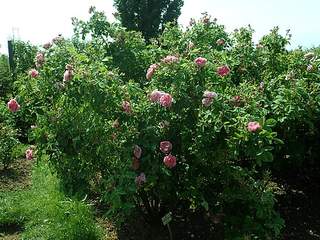
Breeder: Unknown. Type: Damask. Colour: Pink. Scent: Strong. USDA zones: 4-9.
Very hardy - Plant in full sun in fertile, well-drained soil; prune lightly after flowering, feed in spring and mulch in autumn. Once-flowering types need little deadheading.
Breeder: Unknown. Year: 1860. Type: China. Colour: Yellow-pink. USDA zones: 6-9.
Plant in full sun in fertile, well-drained soil in a sheltered UK spot; prune in late winter, feed in spring and deadhead for repeat flowering, and mulch in autumn.
Breeder: Species (wild). Type: Species rose. Colour: White. Scent: Light. USDA zones: 8-10.
Grow in the sunniest, most sheltered spot in fertile, well-drained soil; needs winter protection in colder UK areas, little pruning beyond removing dead wood after flowering, and produces hips for wildlife - mulch in autumn and water in dry spells.
Breeder: Species (wild). Type: Species rose. Colour: Pink. Scent: Moderate. USDA zones: 3-7.
Grow as a large shrub or scrambler in full sun in fertile, well-drained soil with plenty of room; needs little pruning beyond removing dead wood after flowering, tolerates poorer soil than modern roses, and produces hips for wildlife - mulch in spring and water in dry spells.
Breeder: Species (wild). Type: Species cultivar. Colour: Pink. Scent: Moderate. USDA zones: 3-7.
Grow as a large shrub or scrambler in full sun in fertile, well-drained soil with plenty of room; needs little pruning beyond removing dead wood after flowering, tolerates poorer soil than modern roses, and produces hips for wildlife - mulch in spring and water in dry spells.
Breeder: Species (wild). Type: Species rose. Colour: Pale pink. Scent: Light. USDA zones: 5-8.
Grow as a large shrub or scrambler in full sun in fertile, well-drained soil with plenty of room; needs little pruning beyond removing dead wood after flowering, tolerates poorer soil than modern roses, and produces hips for wildlife - mulch in spring and water in dry spells.
Breeder: Species (wild). Type: Species rose. Colour: White. Scent: Strong. USDA zones: 4-8.
Grow as a large shrub or scrambler in full sun in fertile, well-drained soil with plenty of room; needs little pruning beyond removing dead wood after flowering, tolerates poorer soil than modern roses, and produces hips for wildlife - mulch in spring and water in dry spells.
Breeder: Species (wild). Type: Species cultivar. Colour: Blush pink. Scent: Strong. USDA zones: 4-8.
Grow as a large shrub or scrambler in full sun in fertile, well-drained soil with plenty of room; needs little pruning beyond removing dead wood after flowering, tolerates poorer soil than modern roses, and produces hips for wildlife - mulch in spring and water in dry spells.
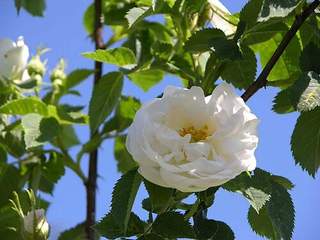
Breeder: Species (wild). Type: Species cultivar. Colour: White. Scent: Strong. USDA zones: 4-8.
Grow as a large shrub or scrambler in full sun in fertile, well-drained soil with plenty of room; needs little pruning beyond removing dead wood after flowering, tolerates poorer soil than modern roses, and produces hips for wildlife - mulch in spring and water in dry spells.
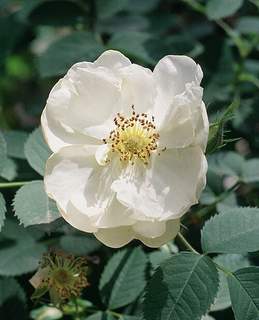
Breeder: Species (wild). Type: Species cultivar. Colour: White. Scent: Strong. USDA zones: 4-8.
Grow as a large shrub or scrambler in full sun in fertile, well-drained soil with plenty of room; needs little pruning beyond removing dead wood after flowering, tolerates poorer soil than modern roses, and produces hips for wildlife - mulch in spring and water in dry spells.
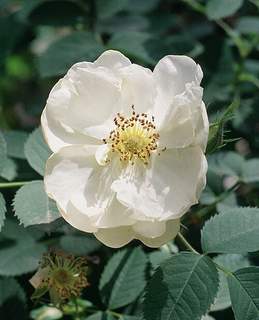
Breeder: Unknown. Year: Ancient. Type: Alba. Colour: White. Scent: Fragrant. USDA zones: 4-9.
Plant in full sun in fertile, free-draining soil; mulch in spring, feed with rose fertiliser, prune in late winter and deadhead for repeat flowering; good air flow helps prevent disease in the UK climate.
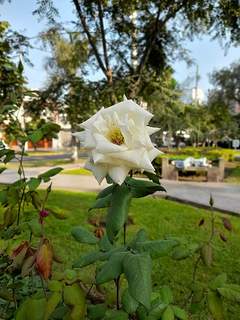
Breeder: Species (wild). Type: Species rose. Colour: White. Scent: Light. USDA zones: 5-8.
Grow as a large shrub or scrambler in full sun in fertile, well-drained soil with plenty of room; needs little pruning beyond removing dead wood after flowering, tolerates poorer soil than modern roses, and produces hips for wildlife - mulch in spring and water in dry spells.
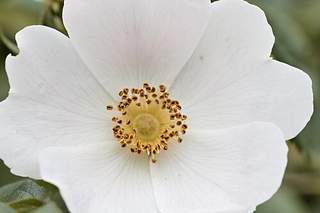
Breeder: Species (wild). Type: Species rose. Colour: Pink. Scent: Light. USDA zones: 3-8.
Grow as a large shrub or scrambler in full sun in fertile, well-drained soil with plenty of room; needs little pruning beyond removing dead wood after flowering, tolerates poorer soil than modern roses, and produces hips for wildlife - mulch in spring and water in dry spells.
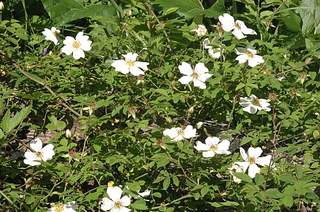
Breeder: Species (wild). Type: Species rose. Colour: White. Scent: Light musk. USDA zones: 5-9.
Grow as a large shrub or scrambler in full sun in fertile, well-drained soil with plenty of room; needs little pruning beyond removing dead wood after flowering, tolerates poorer soil than modern roses, and produces hips for wildlife - mulch in spring and water in dry spells.
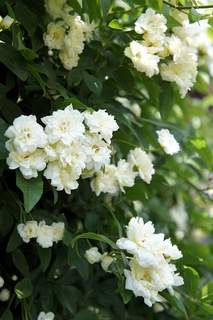
Breeder: Species (wild). Type: Species rose. Colour: White. Scent: Light violet. USDA zones: 7-10.
Grow in the sunniest, most sheltered spot in fertile, well-drained soil; needs winter protection in colder UK areas, little pruning beyond removing dead wood after flowering, and produces hips for wildlife - mulch in autumn and water in dry spells.
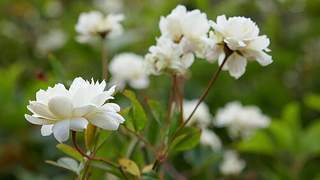
Breeder: Species (wild). Type: Species cultivar. Colour: White. Scent: Light violet. USDA zones: 7-10.
Grow in the sunniest, most sheltered spot in fertile, well-drained soil; needs winter protection in colder UK areas, little pruning beyond removing dead wood after flowering, and produces hips for wildlife - mulch in autumn and water in dry spells.
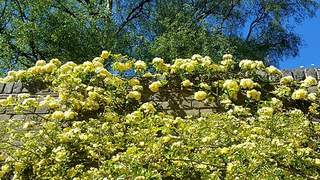
Breeder: Species (wild). Type: Species cultivar. Colour: Yellow. Scent: Light violet. USDA zones: 7-10.
Grow in the sunniest, most sheltered spot in fertile, well-drained soil; needs winter protection in colder UK areas, little pruning beyond removing dead wood after flowering, and produces hips for wildlife - mulch in autumn and water in dry spells.
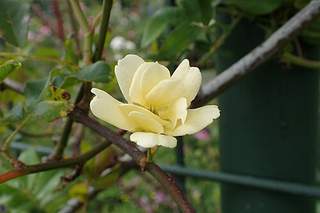
Breeder: Species (wild). Type: Species cultivar. Colour: Pale yellow. Scent: Light. USDA zones: 7-10.
Grow in the sunniest, most sheltered spot in fertile, well-drained soil; needs winter protection in colder UK areas, little pruning beyond removing dead wood after flowering, and produces hips for wildlife - mulch in autumn and water in dry spells.
Breeder: Species (wild). Type: Species cultivar. Colour: White. Scent: Light. USDA zones: 7-10.
Grow in the sunniest, most sheltered spot in fertile, well-drained soil; needs winter protection in colder UK areas, little pruning beyond removing dead wood after flowering, and produces hips for wildlife - mulch in autumn and water in dry spells.
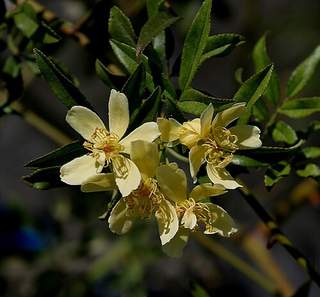
Breeder: Unknown. Year: 1807. Type: Species. Colour: White. Scent: Mild. USDA zones: 3-9.
Species rose. Very hardy and tough; full sun or light shade in well-drained soil, tolerating poor soil. Needs little pruning - remove dead wood after flowering; leave hips for wildlife and autumn colour.
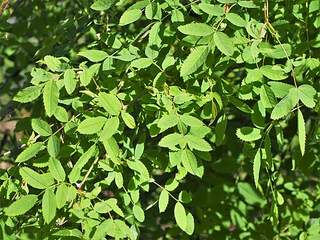
Breeder: Unknown. Year: Ancient. Type: Species. Colour: White. Scent: Mild. USDA zones: 3-9.
Species rose. Very hardy and tough; full sun or light shade in well-drained soil, tolerating poor soil. Needs little pruning - remove dead wood after flowering; leave hips for wildlife and autumn colour.
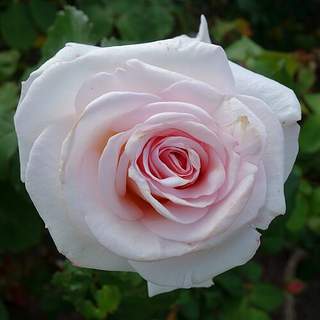
Breeder: Harkness. Type: Floribunda. USDA zones: 5-9.
Plant in full sun in fertile, well-drained soil; prune in late winter, feed in spring and deadhead spent clusters for repeat flowering, and mulch in autumn. Give good air flow and watch for black spot in damp summers.
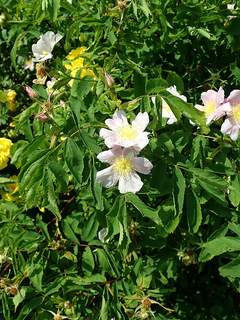
Breeder: Species (wild). Type: Species rose. Colour: Pink. Scent: Light. USDA zones: 3-7.
Grow as a large shrub or scrambler in full sun in fertile, well-drained soil with plenty of room; needs little pruning beyond removing dead wood after flowering, tolerates poorer soil than modern roses, and produces hips for wildlife - mulch in spring and water in dry spells.
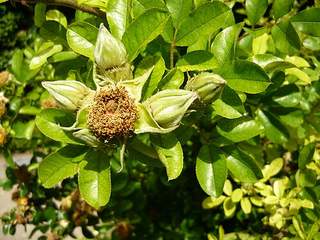
Breeder: Species (wild). Type: Species rose. Colour: White. Scent: Strong. USDA zones: 7-10.
Grow in the sunniest, most sheltered spot in fertile, well-drained soil; needs winter protection in colder UK areas, little pruning beyond removing dead wood after flowering, and produces hips for wildlife - mulch in autumn and water in dry spells.
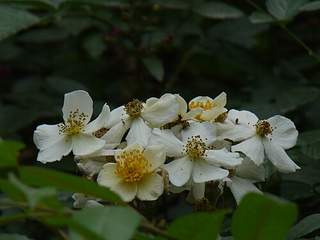
Breeder: Species (wild). Type: Species rose. Colour: White. Scent: Strong musk. USDA zones: 6-9.
Grow as a large shrub or scrambler in full sun in fertile, well-drained soil with plenty of room; needs little pruning beyond removing dead wood after flowering, tolerates poorer soil than modern roses, and produces hips for wildlife - mulch in spring and water in dry spells.
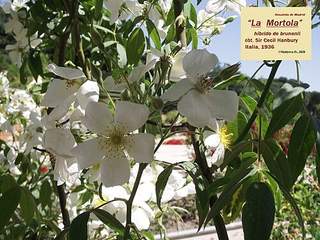
Breeder: Species (wild). Type: Species cultivar. Colour: White. Scent: Strong musk. USDA zones: 7-10.
Grow in the sunniest, most sheltered spot in fertile, well-drained soil; needs winter protection in colder UK areas, little pruning beyond removing dead wood after flowering, and produces hips for wildlife - mulch in autumn and water in dry spells.
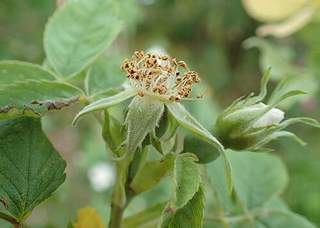
Breeder: Unknown. Year: Ancient. Type: Species. Colour: Pink. Scent: Mild. USDA zones: 3-9.
Species rose. Very hardy and tough; full sun or light shade in well-drained soil, tolerating poor soil. Needs little pruning - remove dead wood after flowering; leave hips for wildlife and autumn colour.
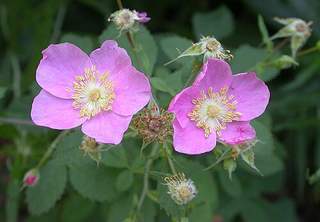
Breeder: Species (wild). Type: Species rose. Colour: Pink. Scent: Light. USDA zones: 5-9.
Grow as a large shrub or scrambler in full sun in fertile, well-drained soil with plenty of room; needs little pruning beyond removing dead wood after flowering, tolerates poorer soil than modern roses, and produces hips for wildlife - mulch in spring and water in dry spells.
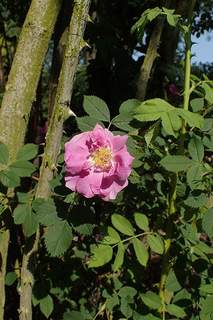
Breeder: Species (wild). Type: Species cultivar. Colour: Pink. Scent: Light. USDA zones: 5-9.
Grow as a large shrub or scrambler in full sun in fertile, well-drained soil with plenty of room; needs little pruning beyond removing dead wood after flowering, tolerates poorer soil than modern roses, and produces hips for wildlife - mulch in spring and water in dry spells.
Breeder: Species (wild). Type: Species rose. Colour: Pale pink. Scent: Light. USDA zones: 5-8.
Grow as a large shrub or scrambler in full sun in fertile, well-drained soil with plenty of room; needs little pruning beyond removing dead wood after flowering, tolerates poorer soil than modern roses, and produces hips for wildlife - mulch in spring and water in dry spells.
Breeder: Species (wild). Type: Species cultivar. Colour: Pale pink. Scent: Light. USDA zones: 5-8.
Grow as a large shrub or scrambler in full sun in fertile, well-drained soil with plenty of room; needs little pruning beyond removing dead wood after flowering, tolerates poorer soil than modern roses, and produces hips for wildlife - mulch in spring and water in dry spells.
Breeder: Species (wild). Type: Species rose. Colour: Pink. Scent: Light. USDA zones: 4-9.
Grow as a large shrub or scrambler in full sun in fertile, well-drained soil with plenty of room; needs little pruning beyond removing dead wood after flowering, tolerates poorer soil than modern roses, and produces hips for wildlife - mulch in spring and water in dry spells.
Breeder: Species (wild). Type: Species rose. Colour: Pink. Scent: Strong. USDA zones: 4-8.
Grow as a large shrub or scrambler in full sun in fertile, well-drained soil with plenty of room; needs little pruning beyond removing dead wood after flowering, tolerates poorer soil than modern roses, and produces hips for wildlife - mulch in spring and water in dry spells.
Breeder: Species (wild). Type: Species cultivar. Colour: Pink. Scent: Strong. USDA zones: 4-8.
Grow as a large shrub or scrambler in full sun in fertile, well-drained soil with plenty of room; needs little pruning beyond removing dead wood after flowering, tolerates poorer soil than modern roses, and produces hips for wildlife - mulch in spring and water in dry spells.
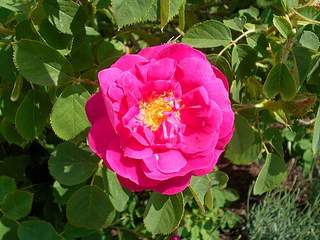
Breeder: Species (wild). Type: Species cultivar. Colour: Pink. Scent: Strong. USDA zones: 4-8.
Grow as a large shrub or scrambler in full sun in fertile, well-drained soil with plenty of room; needs little pruning beyond removing dead wood after flowering, tolerates poorer soil than modern roses, and produces hips for wildlife - mulch in spring and water in dry spells.
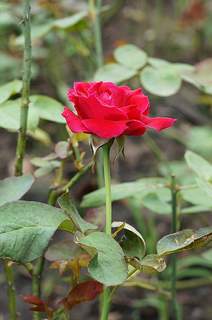
Breeder: Species (wild). Type: Species rose. Colour: Pink. Scent: Light. USDA zones: 7-10.
Grow in the sunniest, most sheltered spot in fertile, well-drained soil; needs winter protection in colder UK areas, little pruning beyond removing dead wood after flowering, and produces hips for wildlife - mulch in autumn and water in dry spells.
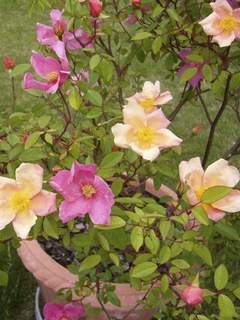
Breeder: Species (wild). Type: Species cultivar. Colour: Apricot-pink-yellow. Scent: Light. USDA zones: 7-10.
Grow in the sunniest, most sheltered spot in fertile, well-drained soil; needs winter protection in colder UK areas, little pruning beyond removing dead wood after flowering, and produces hips for wildlife - mulch in autumn and water in dry spells.
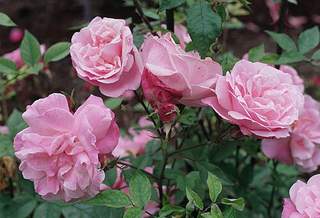
Breeder: Species (wild). Type: Species cultivar. Colour: Pink. Scent: Light. USDA zones: 7-10.
Grow in the sunniest, most sheltered spot in fertile, well-drained soil; needs winter protection in colder UK areas, little pruning beyond removing dead wood after flowering, and produces hips for wildlife - mulch in autumn and water in dry spells.
Breeder: Species (wild). Type: Species cultivar. Colour: Crimson. Scent: Light. USDA zones: 7-10.
Grow in the sunniest, most sheltered spot in fertile, well-drained soil; needs winter protection in colder UK areas, little pruning beyond removing dead wood after flowering, and produces hips for wildlife - mulch in autumn and water in dry spells.
Breeder: Unknown. Year: Ancient. Type: Species. Colour: Pink. Scent: Mild. USDA zones: 3-9.
Species rose. Very hardy and tough; full sun or light shade in well-drained soil, tolerating poor soil. Needs little pruning - remove dead wood after flowering; leave hips for wildlife and autumn colour.
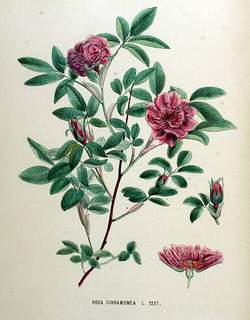
Breeder: Unknown. Year: Ancient. Type: Species. Colour: Pink. Scent: Mild. USDA zones: 3-9.
Species rose. Very hardy and tough; full sun or light shade in well-drained soil, tolerating poor soil. Needs little pruning - remove dead wood after flowering; leave hips for wildlife and autumn colour.
Breeder: Josep Padrosa. Year: 1936. Type: Rambler. Colour: Pink. USDA zones: 6-9.
Plant in full sun in fertile, humus-rich, moist but well-drained soil; mulch in late winter; feed with rose fertiliser in spring and again in early summer; prune in late winter; deadhead for repeat flowering; good air flow helps prevent disease in the UK climate.
Breeder: Pedro Dot. Year: 1948. Type: Hybrid Tea. Colour: Carmine-red. USDA zones: 6-9.
Plant in full sun in fertile, humus-rich, moist but well-drained soil; mulch in late winter; feed with rose fertiliser in spring and again in early summer; prune in late winter; deadhead for repeat flowering; good air flow helps prevent disease in the UK climate.
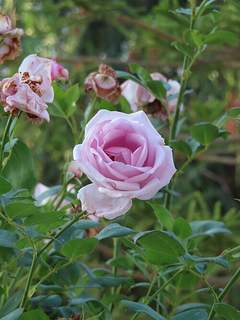
Breeder: Species (wild). Type: Species rose. Colour: Pink. Scent: Strong. USDA zones: 4-9.
Grow as a large shrub or scrambler in full sun in fertile, well-drained soil with plenty of room; needs little pruning beyond removing dead wood after flowering, tolerates poorer soil than modern roses, and produces hips for wildlife - mulch in spring and water in dry spells.
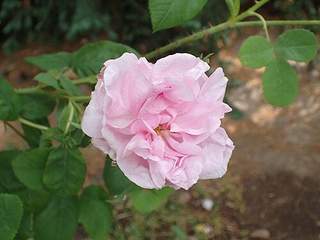
Breeder: Species (wild). Type: Species cultivar. Colour: Pink. Scent: Strong. USDA zones: 4-9.
Grow as a large shrub or scrambler in full sun in fertile, well-drained soil with plenty of room; needs little pruning beyond removing dead wood after flowering, tolerates poorer soil than modern roses, and produces hips for wildlife - mulch in spring and water in dry spells.
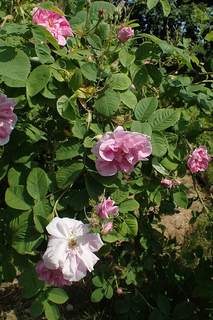
Breeder: Species (wild). Type: Species cultivar. Colour: Pink and white. Scent: Strong. USDA zones: 4-9.
Grow as a large shrub or scrambler in full sun in fertile, well-drained soil with plenty of room; needs little pruning beyond removing dead wood after flowering, tolerates poorer soil than modern roses, and produces hips for wildlife - mulch in spring and water in dry spells.
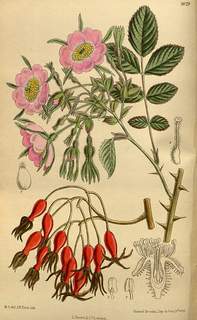
Breeder: Species (wild). Type: Species rose. Colour: Pink. Scent: Light. USDA zones: 5-8.
Grow as a large shrub or scrambler in full sun in fertile, well-drained soil with plenty of room; needs little pruning beyond removing dead wood after flowering, tolerates poorer soil than modern roses, and produces hips for wildlife - mulch in spring and water in dry spells.
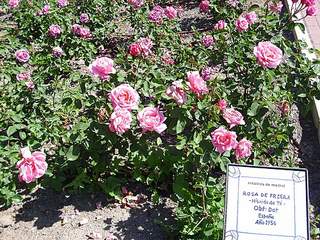
Breeder: Pedro Dot. Year: 1956. Type: Hybrid Tea. Colour: Pink blend. USDA zones: 6-9.
Plant in full sun in fertile, humus-rich, moist but well-drained soil; mulch in late winter; feed with rose fertiliser in spring and again in early summer; prune in late winter; deadhead for repeat flowering; good air flow helps prevent disease in the UK climate.
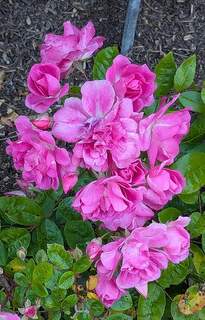
Breeder: Gabriela Roman & Stefan Wagner. USDA zones: 5–9.
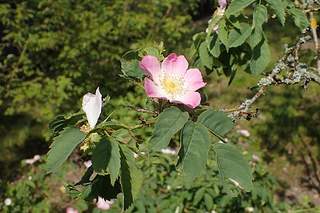
Breeder: Unknown. Year: Ancient. Type: Species. Colour: Pink. Scent: Mild. USDA zones: 3-9.
Species rose. Very hardy and tough; full sun or light shade in well-drained soil, tolerating poor soil. Needs little pruning - remove dead wood after flowering; leave hips for wildlife and autumn colour.
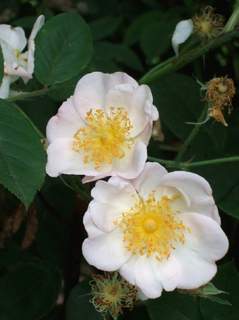
Breeder: Species (wild). Type: Species rose. Colour: White. Scent: Light. USDA zones: 6-9.
Grow as a large shrub or scrambler in full sun in fertile, well-drained soil with plenty of room; needs little pruning beyond removing dead wood after flowering, tolerates poorer soil than modern roses, and produces hips for wildlife - mulch in spring and water in dry spells.
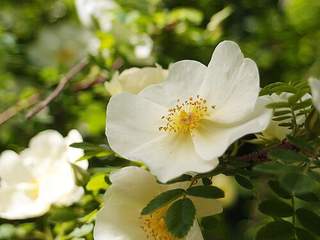
Breeder: Species (wild). Type: Species rose. Colour: Yellow. Scent: Light. USDA zones: 5-8.
Grow as a large shrub or scrambler in full sun in fertile, well-drained soil with plenty of room; needs little pruning beyond removing dead wood after flowering, tolerates poorer soil than modern roses, and produces hips for wildlife - mulch in spring and water in dry spells.
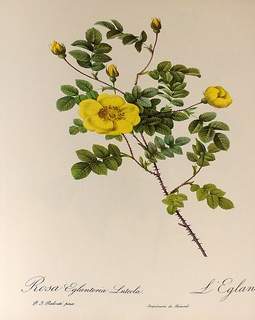
Breeder: Unknown. Year: Ancient. Type: Species. Colour: Pink. Scent: Strong apple. USDA zones: 3-9.
Species rose. Very hardy and tough; full sun or light shade in well-drained soil, tolerating poor soil. Needs little pruning - remove dead wood after flowering; leave hips for wildlife and autumn colour.
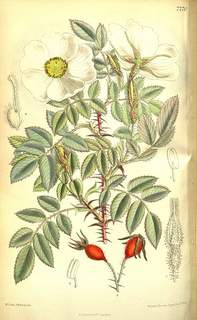
Breeder: Species (wild). Type: Species rose. Colour: White. Scent: Light. USDA zones: 4-8.
Grow as a large shrub or scrambler in full sun in fertile, well-drained soil with plenty of room; needs little pruning beyond removing dead wood after flowering, tolerates poorer soil than modern roses, and produces hips for wildlife - mulch in spring and water in dry spells.
Breeder: Species (wild). Type: Species rose. Colour: White. Scent: Light. USDA zones: 6-9.
Grow as a large shrub or scrambler in full sun in fertile, well-drained soil with plenty of room; needs little pruning beyond removing dead wood after flowering, tolerates poorer soil than modern roses, and produces hips for wildlife - mulch in spring and water in dry spells.
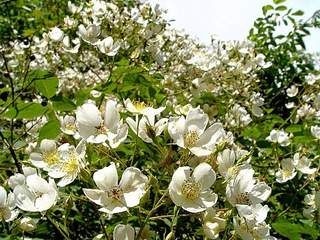
Breeder: Species (wild). Type: Species cultivar. Colour: White. Scent: Strong. USDA zones: 6-9.
Grow as a large shrub or scrambler in full sun in fertile, well-drained soil with plenty of room; needs little pruning beyond removing dead wood after flowering, tolerates poorer soil than modern roses, and produces hips for wildlife - mulch in spring and water in dry spells.
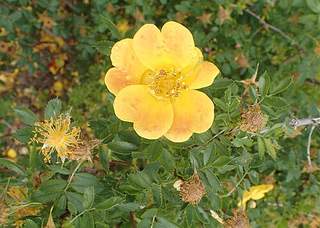
Breeder: Species (wild). Type: Species rose. Colour: Yellow. Scent: Light. USDA zones: 4-8.
Grow as a large shrub or scrambler in full sun in fertile, well-drained soil with plenty of room; needs little pruning beyond removing dead wood after flowering, tolerates poorer soil than modern roses, and produces hips for wildlife - mulch in spring and water in dry spells.
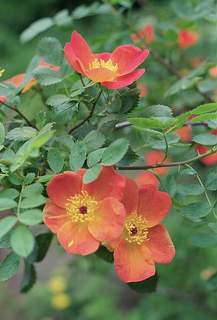
Breeder: Species (wild). Type: Species cultivar. Colour: Orange-red and yellow. Scent: Light. USDA zones: 4-8.
Grow as a large shrub or scrambler in full sun in fertile, well-drained soil with plenty of room; needs little pruning beyond removing dead wood after flowering, tolerates poorer soil than modern roses, and produces hips for wildlife - mulch in spring and water in dry spells.
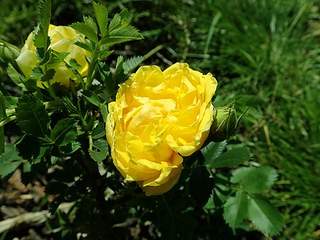
Breeder: Species (wild). Type: Species cultivar. Colour: Yellow. Scent: Light. USDA zones: 4-8.
Grow as a large shrub or scrambler in full sun in fertile, well-drained soil with plenty of room; needs little pruning beyond removing dead wood after flowering, tolerates poorer soil than modern roses, and produces hips for wildlife - mulch in spring and water in dry spells.
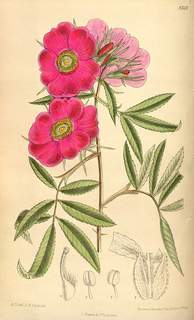
Breeder: Species (wild). Type: Species rose. Colour: Pink. Scent: Light. USDA zones: 5-8.
Grow as a large shrub or scrambler in full sun in fertile, well-drained soil with plenty of room; needs little pruning beyond removing dead wood after flowering, tolerates poorer soil than modern roses, and produces hips for wildlife - mulch in spring and water in dry spells.
Breeder: Szilveszter Györy. Type: Miniature. Colour: Light pink turning white. Scent: Mild. USDA zones: 5–9.
Miniature rose: full sun in fertile, well-drained soil in a pot or sheltered bed; water freely in dry spells, feed in spring and deadhead; protect from hard frost in colder UK areas.
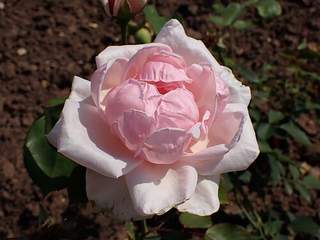
Breeder: Pedro Dot. Year: 1935. Type: Hybrid Tea. Colour: Pink. USDA zones: 6-9.
Plant in full sun in fertile, humus-rich, moist but well-drained soil; mulch in late winter; feed with rose fertiliser in spring and again in early summer; prune in late winter; deadhead for repeat flowering; good air flow helps prevent disease in the UK climate.
Breeder: Species (wild). Type: Species rose. Colour: Deep pink. Scent: Strong. USDA zones: 4-8.
Grow as a large shrub or scrambler in full sun in fertile, well-drained soil with plenty of room; needs little pruning beyond removing dead wood after flowering, tolerates poorer soil than modern roses, and produces hips for wildlife - mulch in spring and water in dry spells.
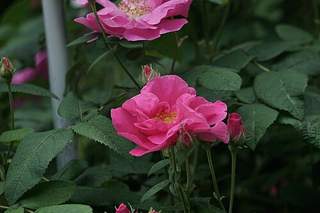
Breeder: Species (wild). Type: Species cultivar. Colour: Deep pink. Scent: Strong. USDA zones: 4-8.
Grow as a large shrub or scrambler in full sun in fertile, well-drained soil with plenty of room; needs little pruning beyond removing dead wood after flowering, tolerates poorer soil than modern roses, and produces hips for wildlife - mulch in spring and water in dry spells.
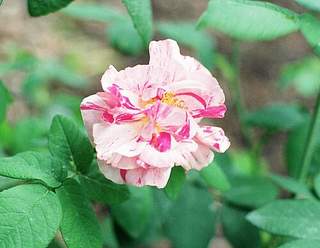
Breeder: Species (wild). Type: Species cultivar. Colour: Pink striped white. Scent: Strong. USDA zones: 4-8.
Grow as a large shrub or scrambler in full sun in fertile, well-drained soil with plenty of room; needs little pruning beyond removing dead wood after flowering, tolerates poorer soil than modern roses, and produces hips for wildlife - mulch in spring and water in dry spells.
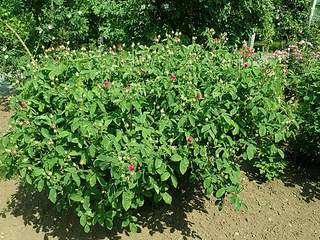
Breeder: Unknown. Type: Gallica. Colour: Pink. Scent: Moderate. USDA zones: 4-9.
Very hardy - Plant in full sun in fertile, well-drained soil; prune lightly after flowering, feed in spring and mulch in autumn. Once-flowering types need little deadheading.
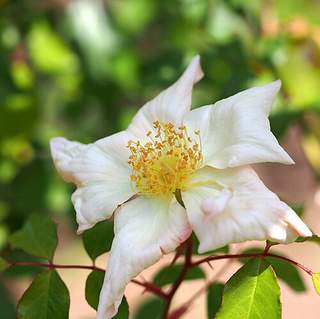
Breeder: Species (wild). Type: Species rose. Colour: White. Scent: Light. USDA zones: 8-10.
Grow in the sunniest, most sheltered spot in fertile, well-drained soil; needs winter protection in colder UK areas, little pruning beyond removing dead wood after flowering, and produces hips for wildlife - mulch in autumn and water in dry spells.
Breeder: Species (wild). Type: Species rose. Colour: Pink. Scent: Light. USDA zones: 4-8.
Grow as a large shrub or scrambler in full sun in fertile, well-drained soil with plenty of room; needs little pruning beyond removing dead wood after flowering, tolerates poorer soil than modern roses, and produces hips for wildlife - mulch in spring and water in dry spells.
Breeder: Species (wild). Type: Species rose. Colour: Pink. Scent: Light. USDA zones: 5-8.
Grow as a large shrub or scrambler in full sun in fertile, well-drained soil with plenty of room; needs little pruning beyond removing dead wood after flowering, tolerates poorer soil than modern roses, and produces hips for wildlife - mulch in spring and water in dry spells.
Breeder: Species (wild). Type: Species cultivar. Colour: Yellow. Scent: Light. USDA zones: 4-8.
Grow as a large shrub or scrambler in full sun in fertile, well-drained soil with plenty of room; needs little pruning beyond removing dead wood after flowering, tolerates poorer soil than modern roses, and produces hips for wildlife - mulch in spring and water in dry spells.
Breeder: Species (wild). Type: Species rose. Colour: White. Scent: Light musk. USDA zones: 6-9.
Grow as a large shrub or scrambler in full sun in fertile, well-drained soil with plenty of room; needs little pruning beyond removing dead wood after flowering, tolerates poorer soil than modern roses, and produces hips for wildlife - mulch in spring and water in dry spells.
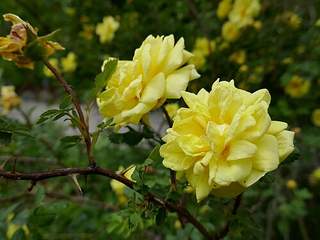
Breeder: Species (wild). Type: Species rose. Colour: Yellow. Scent: Light. USDA zones: 5-8.
Grow as a large shrub or scrambler in full sun in fertile, well-drained soil with plenty of room; needs little pruning beyond removing dead wood after flowering, tolerates poorer soil than modern roses, and produces hips for wildlife - mulch in spring and water in dry spells.
Breeder: Species (wild). Type: Species cultivar. Colour: Yellow. Scent: Light. USDA zones: 5-8.
Grow as a large shrub or scrambler in full sun in fertile, well-drained soil with plenty of room; needs little pruning beyond removing dead wood after flowering, tolerates poorer soil than modern roses, and produces hips for wildlife - mulch in spring and water in dry spells.
Breeder: Species (wild). Type: Species rose. Colour: White. Scent: Light. USDA zones: 6-9.
Grow as a large shrub or scrambler in full sun in fertile, well-drained soil with plenty of room; needs little pruning beyond removing dead wood after flowering, tolerates poorer soil than modern roses, and produces hips for wildlife - mulch in spring and water in dry spells.
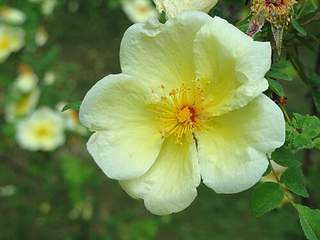
Breeder: Species (wild). Type: Species rose. Colour: Yellow. Scent: Light. USDA zones: 5-8.
Grow as a large shrub or scrambler in full sun in fertile, well-drained soil with plenty of room; needs little pruning beyond removing dead wood after flowering, tolerates poorer soil than modern roses, and produces hips for wildlife - mulch in spring and water in dry spells.
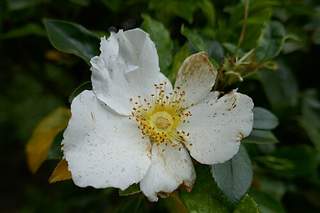
Breeder: Species (wild). Type: Species rose. Colour: White. Scent: Light. USDA zones: 7-10.
Grow in the sunniest, most sheltered spot in fertile, well-drained soil; needs winter protection in colder UK areas, little pruning beyond removing dead wood after flowering, and produces hips for wildlife - mulch in autumn and water in dry spells.
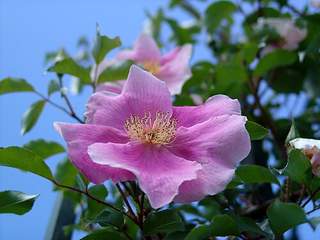
Breeder: Species (wild). Type: Species cultivar. Colour: Pale pink. Scent: Light. USDA zones: 7-10.
Grow in the sunniest, most sheltered spot in fertile, well-drained soil; needs winter protection in colder UK areas, little pruning beyond removing dead wood after flowering, and produces hips for wildlife - mulch in autumn and water in dry spells.
Breeder: Species (wild). Type: Species rose. Colour: White. Scent: Light. USDA zones: 4-8.
Grow as a large shrub or scrambler in full sun in fertile, well-drained soil with plenty of room; needs little pruning beyond removing dead wood after flowering, tolerates poorer soil than modern roses, and produces hips for wildlife - mulch in spring and water in dry spells.
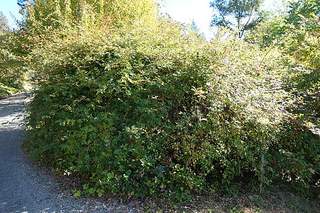
Breeder: Species (wild). Type: Species rose. Colour: White. Scent: Strong musk. USDA zones: 7-10.
Grow in the sunniest, most sheltered spot in fertile, well-drained soil; needs winter protection in colder UK areas, little pruning beyond removing dead wood after flowering, and produces hips for wildlife - mulch in autumn and water in dry spells.
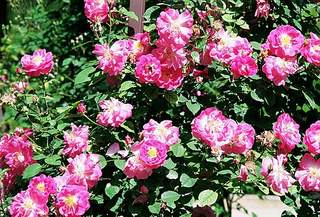
Breeder: Species (wild). Type: Species rose. Colour: Pink. Scent: Light. USDA zones: 5-8.
Grow as a large shrub or scrambler in full sun in fertile, well-drained soil with plenty of room; needs little pruning beyond removing dead wood after flowering, tolerates poorer soil than modern roses, and produces hips for wildlife - mulch in spring and water in dry spells.
Breeder: Species (wild). Type: Species cultivar. Colour: Pink. Scent: Light. USDA zones: 5-8.
Grow as a large shrub or scrambler in full sun in fertile, well-drained soil with plenty of room; needs little pruning beyond removing dead wood after flowering, tolerates poorer soil than modern roses, and produces hips for wildlife - mulch in spring and water in dry spells.
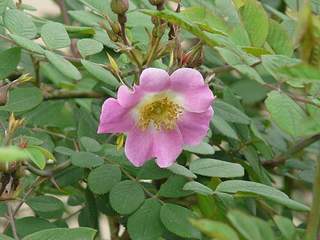
Breeder: Species (wild). Type: Species rose. Colour: Pink. Scent: Light. USDA zones: 5-8.
Grow as a large shrub or scrambler in full sun in fertile, well-drained soil with plenty of room; needs little pruning beyond removing dead wood after flowering, tolerates poorer soil than modern roses, and produces hips for wildlife - mulch in spring and water in dry spells.
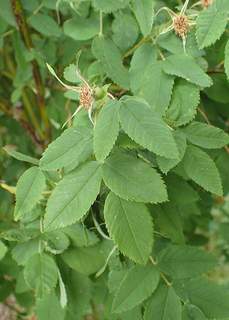
Breeder: Species (wild). Type: Species rose. Colour: Pink. Scent: Light. USDA zones: 3-7.
Grow as a large shrub or scrambler in full sun in fertile, well-drained soil with plenty of room; needs little pruning beyond removing dead wood after flowering, tolerates poorer soil than modern roses, and produces hips for wildlife - mulch in spring and water in dry spells.
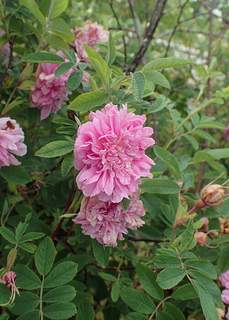
Breeder: Species (wild). Type: Species cultivar. Colour: Pink. Scent: Light. USDA zones: 3-7.
Grow as a large shrub or scrambler in full sun in fertile, well-drained soil with plenty of room; needs little pruning beyond removing dead wood after flowering, tolerates poorer soil than modern roses, and produces hips for wildlife - mulch in spring and water in dry spells.
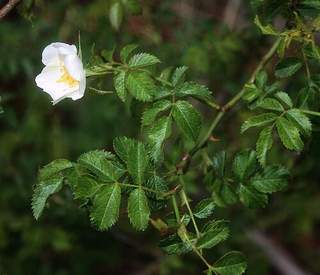
Breeder: Unknown. Year: Ancient. Type: Species. Colour: Pink. Scent: Mild. USDA zones: 3-9.
Species rose. Very hardy and tough; full sun or light shade in well-drained soil, tolerating poor soil. Needs little pruning - remove dead wood after flowering; leave hips for wildlife and autumn colour.
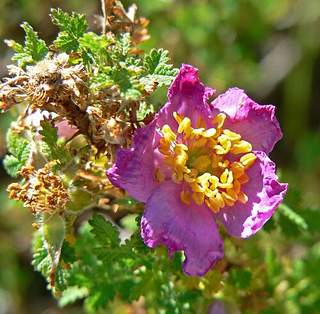
Breeder: Species (wild). Type: Species rose. Colour: Pink. Scent: Light. USDA zones: 8-10.
Grow in the sunniest, most sheltered spot in fertile, well-drained soil; needs winter protection in colder UK areas, little pruning beyond removing dead wood after flowering, and produces hips for wildlife - mulch in autumn and water in dry spells.
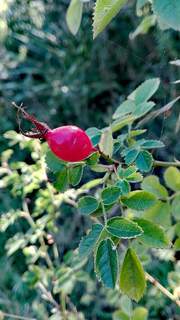
Breeder: Species (wild). Type: Species rose. Colour: White. Scent: Strong musk. USDA zones: 6-9.
Grow as a large shrub or scrambler in full sun in fertile, well-drained soil with plenty of room; needs little pruning beyond removing dead wood after flowering, tolerates poorer soil than modern roses, and produces hips for wildlife - mulch in spring and water in dry spells.
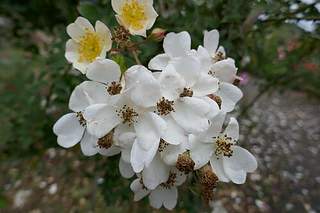
Breeder: Species (wild). Type: Species cultivar. Colour: White blushed pink. Scent: Strong musk. USDA zones: 6-9.
Grow as a large shrub or scrambler in full sun in fertile, well-drained soil with plenty of room; needs little pruning beyond removing dead wood after flowering, tolerates poorer soil than modern roses, and produces hips for wildlife - mulch in spring and water in dry spells.
Breeder: Species (wild). Type: Species cultivar. Colour: White. Scent: Strong musk. USDA zones: 6-9.
Grow as a large shrub or scrambler in full sun in fertile, well-drained soil with plenty of room; needs little pruning beyond removing dead wood after flowering, tolerates poorer soil than modern roses, and produces hips for wildlife - mulch in spring and water in dry spells.
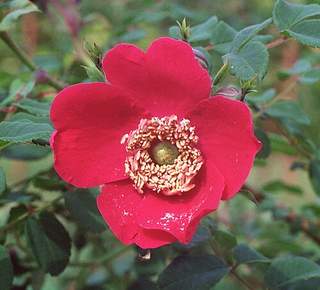
Breeder: Species (wild). Type: Species rose. Colour: Red. Scent: Light. USDA zones: 5-8.
Grow as a large shrub or scrambler in full sun in fertile, well-drained soil with plenty of room; needs little pruning beyond removing dead wood after flowering, tolerates poorer soil than modern roses, and produces hips for wildlife - mulch in spring and water in dry spells.
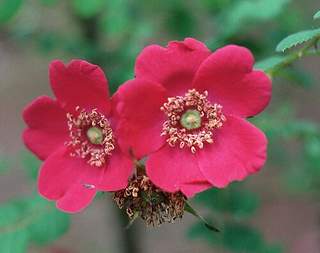
Breeder: Species (wild). Type: Species cultivar. Colour: Red. Scent: Light. USDA zones: 5-8.
Grow as a large shrub or scrambler in full sun in fertile, well-drained soil with plenty of room; needs little pruning beyond removing dead wood after flowering, tolerates poorer soil than modern roses, and produces hips for wildlife - mulch in spring and water in dry spells.
Breeder: Species (wild). Type: Species rose. Colour: White. Scent: Light. USDA zones: 6-9.
Grow as a large shrub or scrambler in full sun in fertile, well-drained soil with plenty of room; needs little pruning beyond removing dead wood after flowering, tolerates poorer soil than modern roses, and produces hips for wildlife - mulch in spring and water in dry spells.
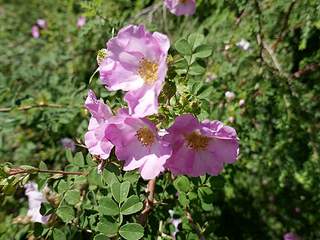
Breeder: Unknown. Type: Shrub. Colour: Pink. USDA zones: 5-9.
Plant in full sun in fertile, well-drained soil; this hardy shrub needs little winter protection in most of the UK - mulch in autumn, prune lightly in late winter, feed in spring and deadhead for repeat flowering.
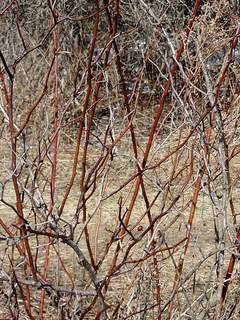
Breeder: Unknown. Year: Ancient. Type: Species. Colour: White. Scent: Moderate. USDA zones: 3-9.
Species rose. Very hardy and tough; full sun or light shade in well-drained soil, tolerating poor soil. Needs little pruning - remove dead wood after flowering; leave hips for wildlife and autumn colour.
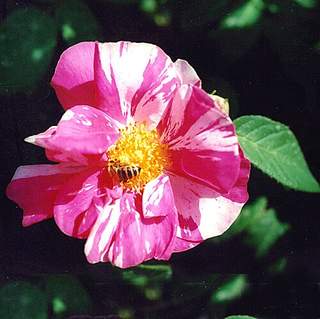
Breeder: Unknown. Year: pre-1583. Type: Gallica. Colour: Pink striped crimson. Scent: Strong. USDA zones: 4-8.
Once-flowering in early summer. Full sun in fertile, well-drained soil; tolerates poorer soil and some shade, and suckers freely - give it room. Prune lightly after flowering, removing old wood; very hardy and generally healthy in the UK.
Breeder: George Schoener. Type: Climber. USDA zones: 6b-9b.
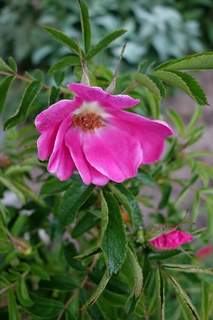
Breeder: Species (wild). Type: Species rose. Colour: Pink. Scent: Light. USDA zones: 3-7.
Grow as a large shrub or scrambler in full sun in fertile, well-drained soil with plenty of room; needs little pruning beyond removing dead wood after flowering, tolerates poorer soil than modern roses, and produces hips for wildlife - mulch in spring and water in dry spells.
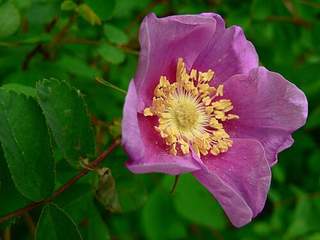
Breeder: Species (wild). Type: Species rose. Colour: Pink. Scent: Light. USDA zones: 4-8.
Grow as a large shrub or scrambler in full sun in fertile, well-drained soil with plenty of room; needs little pruning beyond removing dead wood after flowering, tolerates poorer soil than modern roses, and produces hips for wildlife - mulch in spring and water in dry spells.
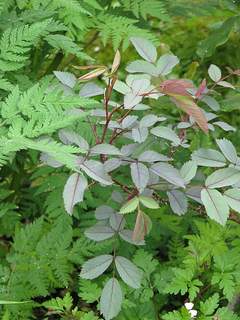
Breeder: Species (wild). Type: Species rose. Colour: White. Scent: Light tea. USDA zones: 7-10.
Grow in the sunniest, most sheltered spot in fertile, well-drained soil; needs winter protection in colder UK areas, little pruning beyond removing dead wood after flowering, and produces hips for wildlife - mulch in autumn and water in dry spells.
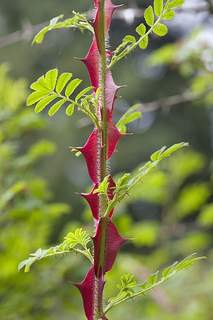
Breeder: Unknown. Year: Ancient. Type: Species. Colour: White. Scent: Mild. USDA zones: 3-9.
Species rose. Very hardy and tough; full sun or light shade in well-drained soil, tolerating poor soil. Needs little pruning - remove dead wood after flowering; leave hips for wildlife and autumn colour.
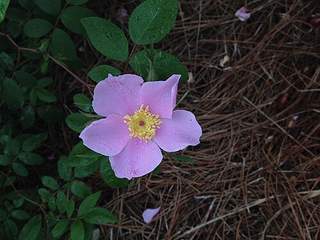
Breeder: Species (wild). Type: Species rose. Colour: Pink. Scent: Light. USDA zones: 4-9.
Grow as a large shrub or scrambler in full sun in fertile, well-drained soil with plenty of room; needs little pruning beyond removing dead wood after flowering, tolerates poorer soil than modern roses, and produces hips for wildlife - mulch in spring and water in dry spells.
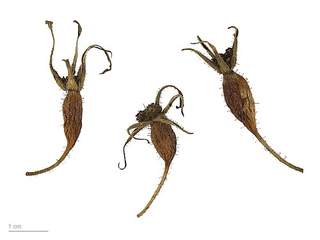
Breeder: Species (wild). Type: Species rose. Colour: Pink. Scent: Light. USDA zones: 4-7.
Grow as a large shrub or scrambler in full sun in fertile, well-drained soil with plenty of room; needs little pruning beyond removing dead wood after flowering, tolerates poorer soil than modern roses, and produces hips for wildlife - mulch in spring and water in dry spells.
Breeder: Unknown. Year: Ancient. Type: Species. Colour: Yellow. Scent: Mild. USDA zones: 3-9.
Species rose. Very hardy and tough; full sun or light shade in well-drained soil, tolerating poor soil. Needs little pruning - remove dead wood after flowering; leave hips for wildlife and autumn colour.
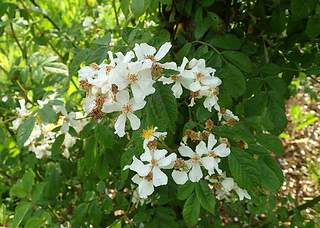
Breeder: Species (wild). Type: Species rose. Colour: White. Scent: Light. USDA zones: 6-9.
Grow as a large shrub or scrambler in full sun in fertile, well-drained soil with plenty of room; needs little pruning beyond removing dead wood after flowering, tolerates poorer soil than modern roses, and produces hips for wildlife - mulch in spring and water in dry spells.
Breeder: Species (wild). Type: Species rose. Colour: White. Scent: Light. USDA zones: 4-8.
Grow as a large shrub or scrambler in full sun in fertile, well-drained soil with plenty of room; needs little pruning beyond removing dead wood after flowering, tolerates poorer soil than modern roses, and produces hips for wildlife - mulch in spring and water in dry spells.
Breeder: Species (wild). Type: Species cultivar. Colour: White. Scent: Light. USDA zones: 3-7.
Grow as a large shrub or scrambler in full sun in fertile, well-drained soil with plenty of room; needs little pruning beyond removing dead wood after flowering, tolerates poorer soil than modern roses, and produces hips for wildlife - mulch in spring and water in dry spells.
Breeder: Species (wild). Type: Species cultivar. Colour: White. Scent: Light. USDA zones: 4-8.
Grow as a large shrub or scrambler in full sun in fertile, well-drained soil with plenty of room; needs little pruning beyond removing dead wood after flowering, tolerates poorer soil than modern roses, and produces hips for wildlife - mulch in spring and water in dry spells.
Breeder: Species (wild). Type: Species cultivar. Colour: Pink. Scent: Light. USDA zones: 4-8.
Grow as a large shrub or scrambler in full sun in fertile, well-drained soil with plenty of room; needs little pruning beyond removing dead wood after flowering, tolerates poorer soil than modern roses, and produces hips for wildlife - mulch in spring and water in dry spells.
Breeder: Unknown. Type: Shrub. Colour: Pale pink. Scent: Moderate. USDA zones: 4-9.
Very hardy - Plant in full sun in fertile, well-drained soil; this hardy shrub needs little winter protection in most of the UK - mulch in autumn, prune lightly in late winter, feed in spring and deadhead for repeat flowering.
Breeder: Species (wild). Type: Species rose. Colour: Pink. Scent: Light. USDA zones: 5-8.
Grow as a large shrub or scrambler in full sun in fertile, well-drained soil with plenty of room; needs little pruning beyond removing dead wood after flowering, tolerates poorer soil than modern roses, and produces hips for wildlife - mulch in spring and water in dry spells.
Breeder: Species (wild). Type: Species rose. Colour: Pink. Scent: Light. USDA zones: 4-8.
Grow as a large shrub or scrambler in full sun in fertile, well-drained soil with plenty of room; needs little pruning beyond removing dead wood after flowering, tolerates poorer soil than modern roses, and produces hips for wildlife - mulch in spring and water in dry spells.
Breeder: Species (wild). Type: Species rose. Colour: Pink. Scent: Light. USDA zones: 5-8.
Grow as a large shrub or scrambler in full sun in fertile, well-drained soil with plenty of room; needs little pruning beyond removing dead wood after flowering, tolerates poorer soil than modern roses, and produces hips for wildlife - mulch in spring and water in dry spells.
Breeder: Species (wild). Type: Species rose. Colour: Yellow. Scent: Strong incense. USDA zones: 5-8.
Grow as a large shrub or scrambler in full sun in fertile, well-drained soil with plenty of room; needs little pruning beyond removing dead wood after flowering, tolerates poorer soil than modern roses, and produces hips for wildlife - mulch in spring and water in dry spells.
Breeder: Species (wild). Type: Species rose. Colour: Pink. Scent: Light. USDA zones: 5-9.
Grow as a large shrub or scrambler in full sun in fertile, well-drained soil with plenty of room; needs little pruning beyond removing dead wood after flowering, tolerates poorer soil than modern roses, and produces hips for wildlife - mulch in spring and water in dry spells.
Breeder: Species (wild). Type: Species cultivar. Colour: Pink. Scent: Light. USDA zones: 5-9.
Grow as a large shrub or scrambler in full sun in fertile, well-drained soil with plenty of room; needs little pruning beyond removing dead wood after flowering, tolerates poorer soil than modern roses, and produces hips for wildlife - mulch in spring and water in dry spells.
Breeder: Species (wild). Type: Species rose. Colour: Pink. Scent: Strong apple. USDA zones: 4-8.
Grow as a large shrub or scrambler in full sun in fertile, well-drained soil with plenty of room; needs little pruning beyond removing dead wood after flowering, tolerates poorer soil than modern roses, and produces hips for wildlife - mulch in spring and water in dry spells.
Breeder: Species (wild). Type: Species rose. Colour: Pink. Scent: Strong. USDA zones: 3-9.
Grow as a large shrub or scrambler in full sun in fertile, well-drained soil with plenty of room; needs little pruning beyond removing dead wood after flowering, tolerates poorer soil than modern roses, and produces hips for wildlife - mulch in spring and water in dry spells.
Breeder: Species (wild). Type: Species cultivar. Colour: White. Scent: Strong. USDA zones: 3-9.
Grow as a large shrub or scrambler in full sun in fertile, well-drained soil with plenty of room; needs little pruning beyond removing dead wood after flowering, tolerates poorer soil than modern roses, and produces hips for wildlife - mulch in spring and water in dry spells.
Breeder: Schaum & Van Tol. Year: 1905. Type: Rugosa. Colour: Pink-red. Scent: Strong. USDA zones: 3-9.
Grow as a large shrub or scrambler in full sun in fertile, well-drained soil with plenty of room; needs little pruning beyond removing dead wood after flowering, tolerates poorer soil than modern roses, and produces hips for wildlife - mulch in spring and water in dry spells.
Breeder: Species (wild). Type: Species cultivar. Colour: Deep pink-red. Scent: Strong. USDA zones: 3-9.
Grow as a large shrub or scrambler in full sun in fertile, well-drained soil with plenty of room; needs little pruning beyond removing dead wood after flowering, tolerates poorer soil than modern roses, and produces hips for wildlife - mulch in spring and water in dry spells.
Breeder: Species (wild). Type: Species cultivar. Colour: Deep pink. Scent: Strong. USDA zones: 3-9.
Grow as a large shrub or scrambler in full sun in fertile, well-drained soil with plenty of room; needs little pruning beyond removing dead wood after flowering, tolerates poorer soil than modern roses, and produces hips for wildlife - mulch in spring and water in dry spells.
Breeder: Victor Dot. USDA zones: 6-9.
Breeder: Unknown. Year: Ancient. Type: Species. Colour: White. Scent: Moderate. USDA zones: 3-9.
Species rose. Very hardy and tough; full sun or light shade in well-drained soil, tolerating poor soil. Needs little pruning - remove dead wood after flowering; leave hips for wildlife and autumn colour.
Breeder: Species (wild). Type: Species rose. Colour: White. Scent: Light. USDA zones: 5-8.
Grow as a large shrub or scrambler in full sun in fertile, well-drained soil with plenty of room; needs little pruning beyond removing dead wood after flowering, tolerates poorer soil than modern roses, and produces hips for wildlife - mulch in spring and water in dry spells.
Breeder: Species (wild). Type: Species cultivar. Colour: White. Scent: Light. USDA zones: 5-8.
Grow as a large shrub or scrambler in full sun in fertile, well-drained soil with plenty of room; needs little pruning beyond removing dead wood after flowering, tolerates poorer soil than modern roses, and produces hips for wildlife - mulch in spring and water in dry spells.
Breeder: Unknown. Year: Ancient. Type: Species. Colour: White. USDA zones: 5-9.
Species rose. Very hardy and tough; full sun or light shade in well-drained soil, tolerating poor soil. Needs little pruning - remove dead wood after flowering; leave hips for wildlife and autumn colour.
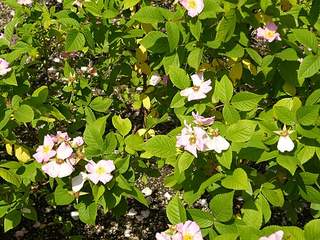
Breeder: Species (wild). Type: Species rose. Colour: Pink. Scent: Light. USDA zones: 4-8.
Grow as a large shrub or scrambler in full sun in fertile, well-drained soil with plenty of room; needs little pruning beyond removing dead wood after flowering, tolerates poorer soil than modern roses, and produces hips for wildlife - mulch in spring and water in dry spells.
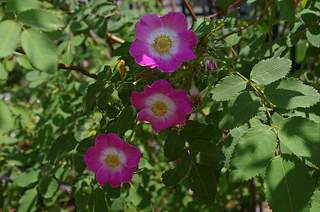
Breeder: Species (wild). Type: Species rose. Colour: Pink. Scent: Light. USDA zones: 5-8.
Grow as a large shrub or scrambler in full sun in fertile, well-drained soil with plenty of room; needs little pruning beyond removing dead wood after flowering, tolerates poorer soil than modern roses, and produces hips for wildlife - mulch in spring and water in dry spells.
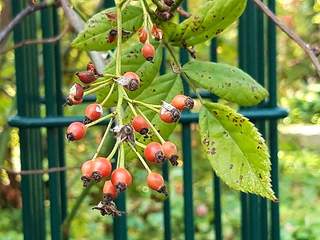
Breeder: Species (wild). Type: Species rose. Colour: White. Scent: Light. USDA zones: 6-9.
Grow as a large shrub or scrambler in full sun in fertile, well-drained soil with plenty of room; needs little pruning beyond removing dead wood after flowering, tolerates poorer soil than modern roses, and produces hips for wildlife - mulch in spring and water in dry spells.
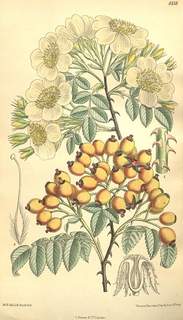
Breeder: Species (wild). Type: Species rose. Colour: White. Scent: Light. USDA zones: 6-9.
Grow as a large shrub or scrambler in full sun in fertile, well-drained soil with plenty of room; needs little pruning beyond removing dead wood after flowering, tolerates poorer soil than modern roses, and produces hips for wildlife - mulch in spring and water in dry spells.
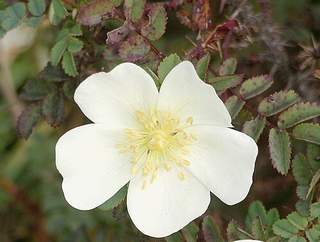
Breeder: Unknown. Year: Ancient. Type: Species. Colour: White. Scent: Mild. USDA zones: 3-9.
Species rose. Very hardy and tough; full sun or light shade in well-drained soil, tolerating poor soil. Needs little pruning - remove dead wood after flowering; leave hips for wildlife and autumn colour.
Breeder: Unknown. Year: 1899. Type: Shrub. Colour: Pink-white. Scent: Mild. USDA zones: 4-9.
Very hardy - Plant in full sun in fertile, well-drained soil; this hardy shrub needs little winter protection in most of the UK - mulch in autumn, prune lightly in late winter, feed in spring and deadhead for repeat flowering.
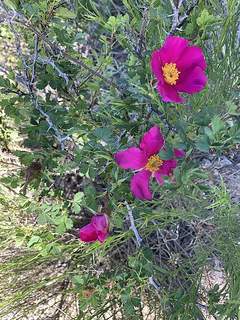
Breeder: Species (wild). Type: Species rose. Colour: Pink. Scent: Light. USDA zones: 7-10.
Grow in the sunniest, most sheltered spot in fertile, well-drained soil; needs winter protection in colder UK areas, little pruning beyond removing dead wood after flowering, and produces hips for wildlife - mulch in autumn and water in dry spells.
Breeder: Species (wild). Type: Species cultivar. Colour: Pink. Scent: Light. USDA zones: 7-10.
Grow in the sunniest, most sheltered spot in fertile, well-drained soil; needs winter protection in colder UK areas, little pruning beyond removing dead wood after flowering, and produces hips for wildlife - mulch in autumn and water in dry spells.
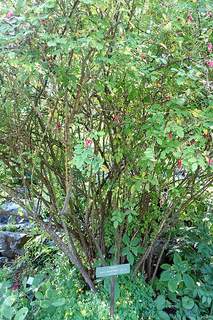
Breeder: Species (wild). Type: Species rose. Colour: Pink. Scent: Light. USDA zones: 5-8.
Grow as a large shrub or scrambler in full sun in fertile, well-drained soil with plenty of room; needs little pruning beyond removing dead wood after flowering, tolerates poorer soil than modern roses, and produces hips for wildlife - mulch in spring and water in dry spells.
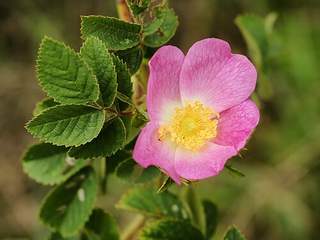
Breeder: Unknown. Year: Ancient. Type: Species. Colour: Pink. Scent: Mild. USDA zones: 3-9.
Species rose. Very hardy and tough; full sun or light shade in well-drained soil, tolerating poor soil. Needs little pruning - remove dead wood after flowering; leave hips for wildlife and autumn colour.
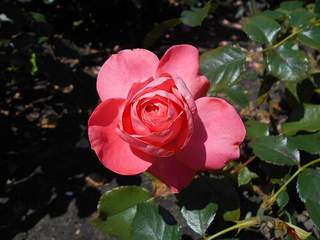
Breeder: Gabriela Roman & Stefan Wagner. USDA zones: 5–9.
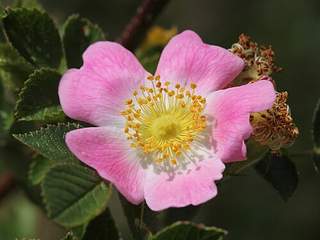
Breeder: Unknown. Year: Ancient. Type: Species. Colour: Pink. Scent: Mild. USDA zones: 3-9.
Species rose. Very hardy and tough; full sun or light shade in well-drained soil, tolerating poor soil. Needs little pruning - remove dead wood after flowering; leave hips for wildlife and autumn colour.
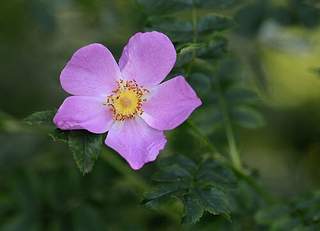
Breeder: Species (wild). Type: Species rose. Colour: Pink. Scent: Light. USDA zones: 3-8.
Grow as a large shrub or scrambler in full sun in fertile, well-drained soil with plenty of room; needs little pruning beyond removing dead wood after flowering, tolerates poorer soil than modern roses, and produces hips for wildlife - mulch in spring and water in dry spells.
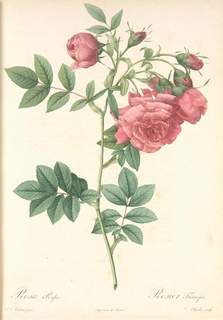
Breeder: Species (wild). Type: Species cultivar. Colour: Pink. Scent: Light. USDA zones: 3-8.
Grow as a large shrub or scrambler in full sun in fertile, well-drained soil with plenty of room; needs little pruning beyond removing dead wood after flowering, tolerates poorer soil than modern roses, and produces hips for wildlife - mulch in spring and water in dry spells.
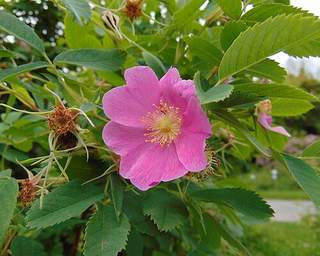
Breeder: Species (wild). Type: Species rose. Colour: Pink. Scent: Light. USDA zones: 5-8.
Grow as a large shrub or scrambler in full sun in fertile, well-drained soil with plenty of room; needs little pruning beyond removing dead wood after flowering, tolerates poorer soil than modern roses, and produces hips for wildlife - mulch in spring and water in dry spells.
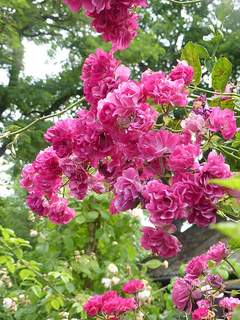
Breeder: Unknown. Year: Ancient. Type: Species. Colour: White. Scent: Fragrant. USDA zones: 5-9.
Species rose. Very hardy and tough; full sun or light shade in well-drained soil, tolerating poor soil. Needs little pruning - remove dead wood after flowering; leave hips for wildlife and autumn colour.
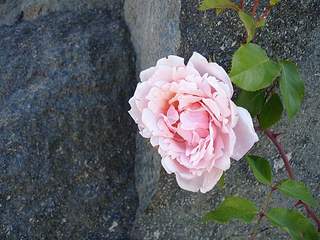
Breeder: Unknown. Year: Ancient. Type: Species. Colour: White. Scent: Moderate. USDA zones: 3-9.
Species rose. Very hardy and tough; full sun or light shade in well-drained soil, tolerating poor soil. Needs little pruning - remove dead wood after flowering; leave hips for wildlife and autumn colour.
Breeder: Species (wild). Type: Species rose. Colour: Pink. Scent: Light. USDA zones: 5-8.
Grow as a large shrub or scrambler in full sun in fertile, well-drained soil with plenty of room; needs little pruning beyond removing dead wood after flowering, tolerates poorer soil than modern roses, and produces hips for wildlife - mulch in spring and water in dry spells.
Breeder: Species (wild). Type: Species rose. Colour: Pink. Scent: Light. USDA zones: 3-8.
Grow as a large shrub or scrambler in full sun in fertile, well-drained soil with plenty of room; needs little pruning beyond removing dead wood after flowering, tolerates poorer soil than modern roses, and produces hips for wildlife - mulch in spring and water in dry spells.
Breeder: Species (wild). Type: Species rose. Colour: Pink. Scent: Light. USDA zones: 4-8.
Grow as a large shrub or scrambler in full sun in fertile, well-drained soil with plenty of room; needs little pruning beyond removing dead wood after flowering, tolerates poorer soil than modern roses, and produces hips for wildlife - mulch in spring and water in dry spells.
Breeder: Species (wild). Type: Species rose. Colour: Yellow. Scent: Light. USDA zones: 4-8.
Grow as a large shrub or scrambler in full sun in fertile, well-drained soil with plenty of room; needs little pruning beyond removing dead wood after flowering, tolerates poorer soil than modern roses, and produces hips for wildlife - mulch in spring and water in dry spells.
Breeder: Species (wild). Type: Species cultivar. Colour: Yellow. Scent: Light. USDA zones: 4-8.
Grow as a large shrub or scrambler in full sun in fertile, well-drained soil with plenty of room; needs little pruning beyond removing dead wood after flowering, tolerates poorer soil than modern roses, and produces hips for wildlife - mulch in spring and water in dry spells.
Breeder: Yasushi Okamoto. Colour: Pale cream. USDA zones: 6-9.
Plant in full sun in fertile, free-draining soil; mulch in spring, feed with rose fertiliser, prune in late winter and deadhead for repeat flowering; good air flow helps prevent disease in the UK climate.
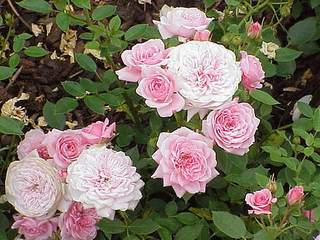
Breeder: J. Cocker. Year: 1988. Type: Miniflora. Colour: Medium pink. USDA zones: 5-9.
Plant in full sun in fertile, well-drained soil; a compact miniflora for pots and small borders — prune lightly in late winter, feed in spring and deadhead for repeat flowering; mulch in cold winters.
Breeder: Stefan Wagner. USDA zones: 5–9.
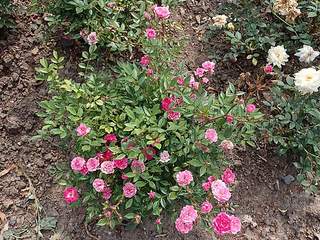
Breeder: Dot. Year: 1950. Type: Miniature. Colour: Orange-pink. Scent: Mild. USDA zones: 5-9.
Full sun in a pot or at the front of a border in free-draining compost or soil; keep pots watered in dry weather and feed through summer. Prune lightly in late winter, deadhead spent blooms, and protect pots from hard frost in colder UK areas.
Breeder: Stefan Wagner & Gabriela Roman. USDA zones: 5–9.
Breeder: Stefan Wagner. Year: 1995. USDA zones: 5–9.
Full sun in fertile, well-drained soil; feed in spring, deadhead for repeat flowering and prune in late winter; bred for disease resistance and winter hardiness.
Breeder: Pemberton. Year: 1933. Type: Hybrid Musk. USDA zones: 5-9.
Breeder: McGredy. Year: 1942. USDA zones: 5-9.
Breeder: George Schoener. Type: Hybrid Tea. USDA zones: 6b-9b.
Breeder: Stefan Wagner. USDA zones: 5–9.

Breeder: Kordes. Year: 2002. Type: Climber. Colour: Pink. Scent: Mild. USDA zones: 5b-9b.
Substituted for Rosy, for which no Kordes cultivar or code could be verified. Plant in full sun in rich, well-drained soil and train on a support.
Breeder: Ludwig Taschner. Type: Hybrid Tea. USDA zones: 6-9.
Plant in full sun in fertile, humus-rich, moist but well-drained soil; mulch in late winter; feed with rose fertiliser in spring and again in early summer; prune in late winter; good air flow helps prevent disease in the UK climate.
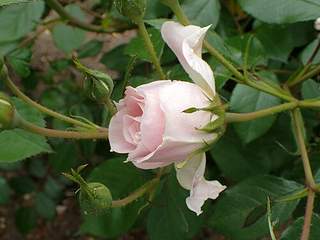
Breeder: Tantau. Year: 2000. Type: Shrub. Colour: Pink. Scent: Moderate. USDA zones: 5-9.
Plant in full sun in fertile well-drained soil with room to grow; prune lightly in late winter, feed in spring, and deadhead for repeat Pink flowering. Give at least 6 hours of sun a day in fertile, humus-rich, moist but well-drained soil in a sheltered UK spot.
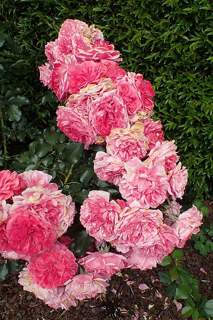
Breeder: Kordes. Year: 1977. Type: Climbing. Colour: Deep pink. Scent: Mild to strong apple. USDA zones: 4b-9b.
Full sun 6+ hours on a wall arch or pergola in fertile moist but well-drained soil; mulch and water well in its first years. Tie in canes and prune after flowering; very hardy with good disease resistance.
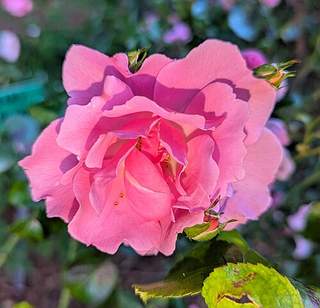
Breeder: McGredy. Year: 1976. USDA zones: 5-9.
Plant in full sun in fertile, humus-rich, moist but well-drained soil; mulch in late winter; feed with rose fertiliser in spring and again in early summer; prune in late winter; good air flow helps prevent disease in the UK climate.
Breeder: Lambert. Year: 1908. Type: Hybrid Tea. Colour: Pink and yellow. USDA zones: 5-9.
Breeder: McGredy. Year: 1928. USDA zones: 5-9.
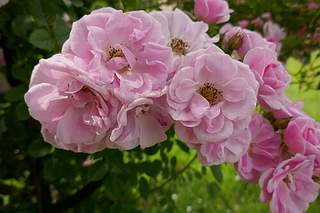
Breeder: Delbard. Type: Groundcover. USDA zones: 5-9.
Plant in full sun in fertile, well-drained soil; prune lightly in late winter, feed in spring and mulch in autumn. Good air flow helps keep it healthy in damp UK summers.
Breeder: Delbard. Type: Shrub. USDA zones: 5-9.
Plant in full sun in fertile, well-drained soil; this hardy shrub needs little winter protection in most of the UK - mulch in autumn, prune lightly in late winter, feed in spring and deadhead for repeat flowering.
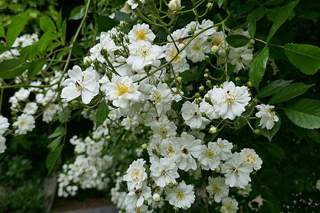
Breeder: Gaujard. Year: Unknown. Type: Hybrid Tea. Colour: Pink. Scent: Moderate. USDA zones: 6b-9b.
Plant in full sun in a sheltered spot in fertile, humus-rich, moist but well-drained soil; feed in spring and again in early summer, water deeply in dry spells, deadhead spent blooms and prune in late winter to healthy outward buds.
Breeder: Bernaix. Year: 1895. Type: China. Colour: Rose-pink, lined carmine. USDA zones: 7–10.
Needs a warm, sheltered, sunny spot in the UK; fertile well-drained soil; protect from hard frost; prune lightly in spring; best in southern England or against a sheltered wall.
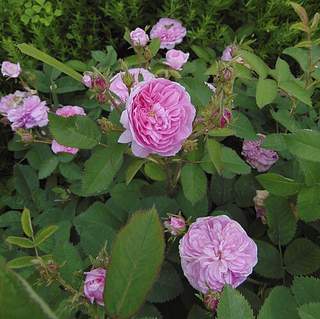
Breeder: Unknown. Year: pre-1830. Type: Centifolia. Colour: Pink. Scent: Strong. USDA zones: 4-9.
Once-flowering in early summer. Full sun in rich, well-drained soil; lax canes may need support. Prune after flowering, removing old wood; mulch in spring and give good air flow to limit mildew.
Breeder: Takashi Kawai. Year: 2013. Type: Floribunda. Colour: Purplish magenta. Scent: Damask-Classic. USDA zones: 5-9.
Full sun; fertile well-drained soil; water and feed through the growing season; mulch in spring; prune in late winter/early spring; deadhead to encourage repeat flowering.
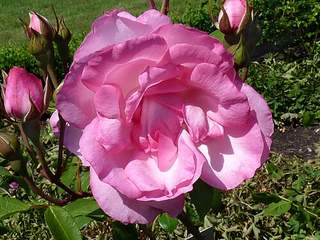
Breeder: Delbard. Type: Ground Cover. USDA zones: 6-9.
Plant in full sun in fertile, free-draining soil; mulch in spring, feed with rose fertiliser, deadhead for repeat flowering and prune in late winter; good air flow helps prevent disease in the UK climate.
Breeder: Masuda Rose Garden. Year: 2020. Type: Shrub. Colour: White-cream. USDA zones: 6-9.
Plant in full sun in fertile, free-draining soil; mulch in spring, feed with rose fertiliser, prune in late winter and deadhead for repeat flowering; good air flow helps prevent disease in the UK climate.
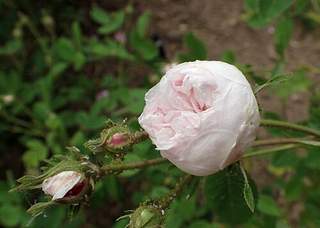
Breeder: Unknown. Year: pre-1789. Type: Centifolia. Colour: Pink. Scent: Strong. USDA zones: 4-9.
Once-flowering in early summer. Full sun in rich, well-drained soil; lax canes may need support. Prune after flowering, removing old wood; mulch in spring and give good air flow to limit mildew.
Breeder: Unknown. Year: pre-1800. Type: Portland. Colour: Pink. Scent: Strong. USDA zones: 5-9.
Repeat-flowering through summer. Compact and hardy; full sun in fertile, well-drained soil. Prune in late winter, feed in spring and deadhead for repeat flushes; mulch in autumn in colder areas.
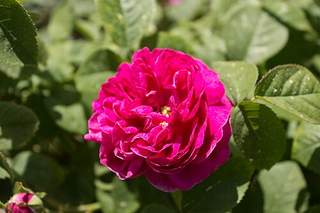
Breeder: Unknown. Year: pre-1900. Type: Damask. Colour: Deep pink. Scent: Very strong. USDA zones: 4-9.
Repeat-flowering damask. Full sun in fertile, well-drained soil; mulch in spring and deadhead for repeat flushes. Prune in late winter; hardy and healthy in the UK.
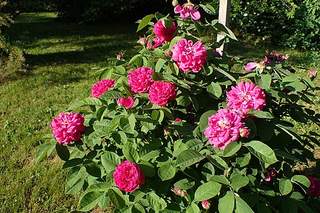
Breeder: Unknown. Year: Before 1880. Type: Portland. Colour: Fuchsia-crimson, bright magenta. Scent: Strong. USDA zones: 5-10.
Plant in full sun in fertile, well-drained soil; feed in spring, mulch in autumn, prune in late winter and deadhead for repeat flowering; tolerates light shade and is hardy and healthy in the UK climate.
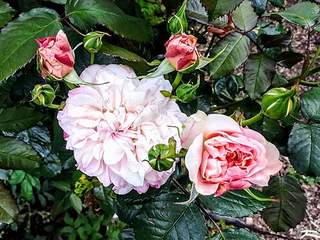
Breeder: Kordes. Year: 2010. Type: Climbing. Colour: Pink. Scent: Light. USDA zones: 5b-9b.
Climbing rose; train on a wall or pergola. Full sun for 6+ hours in fertile, moist but well-drained soil; mulch and feed in spring, watering well in dry spells. Train its canes on a trellis, arch or wall, tying in new growth and pruning after flowering; hardy in most of the UK.
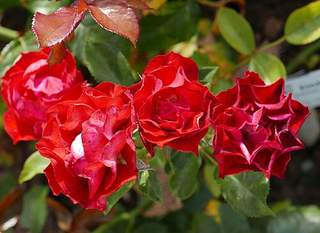
Breeder: Kordes. Year: 2010. Type: Floribunda. Colour: Pink. Scent: Light. USDA zones: 5b-9b.
Full sun for 6+ hours in fertile, moist but well-drained soil; mulch in spring and feed for its heavy flowering, watering in dry spells. Prune lightly in late winter or early spring and deadhead regularly; good disease resistance in most modern floribundas, but still watch for black spot; hardy in most of the UK.
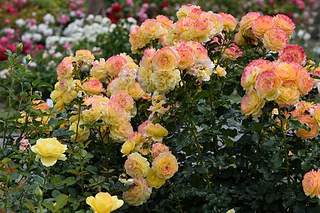
Breeder: Kordes. Type: Floribunda. USDA zones: 5-9.
Plant in full sun in fertile, well-drained soil; prune in late winter, feed in spring and deadhead spent clusters for repeat flowering, and mulch in autumn. Give good air flow and watch for black spot in damp summers.
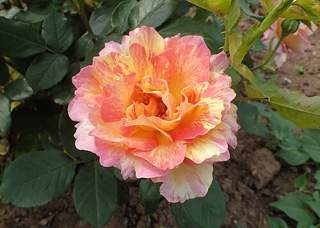
Breeder: Delbard. Year: 2000. Type: Shrub. Colour: Pink striped. Scent: Moderate. USDA zones: 5-9.
Give sun and deep, fertile soil. Mulch in spring and feed with rose fertiliser. Prune in late winter, thinning the centre to let air in. Deadhead spent blooms where practical. Water during dry spells. Hardy across the UK; protect young plants from strong winds.
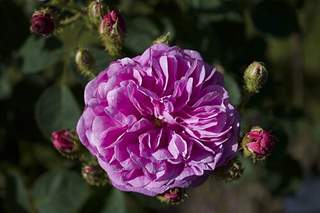
Breeder: Unknown. Year: pre-1800. Type: Centifolia. Colour: Pink. Scent: Strong. USDA zones: 4-9.
Once-flowering in early summer. Full sun in rich, well-drained soil; lax canes may need support. Prune after flowering, removing old wood; mulch in spring and give good air flow to limit mildew.
Breeder: Delbard. Year: 1983. Type: Floribunda. Colour: Pink. Scent: Moderate. USDA zones: 6-9.
Plant in full sun in fertile, well-drained soil. Feed in spring and midsummer; water in dry spells. Deadhead clusters to keep flowers coming. Prune lightly in late winter, shaping the bush and removing dead wood. Mulch in spring. Generally disease-resistant, but watch for black spot in wet seasons.
Breeder: Pedro Dot. Year: 1962. Type: Hybrid Tea. Colour: Red blend. USDA zones: 6-9.
Plant in full sun in fertile, well-drained soil in a sheltered UK spot; prune in late winter, feed in spring and deadhead for repeat flowering, and mulch in autumn, protecting the graft union in colder areas. Give good air flow and watch for black spot and mildew in damp summers.
Breeder: Gaujard. Year: Unknown. Type: Hybrid Tea. Colour: Pink. Scent: Moderate. USDA zones: 6b-9b.
Plant in full sun in a sheltered spot in fertile, humus-rich, moist but well-drained soil; feed in spring and again in early summer, water deeply in dry spells, deadhead spent blooms and prune in late winter to healthy outward buds.
Breeder: Makiko Kawamoto. Year: 2024. Colour: Pale yellow-white to soft pink. USDA zones: 5-9.
Full sun; fertile well-drained soil; water and feed through the growing season; mulch in spring; prune in late winter/early spring; deadhead to encourage repeat flowering.
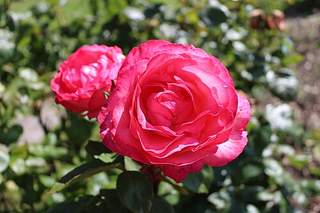
Breeder: Unknown. Year: pre-1815. Type: Portland. Colour: Crimson. Scent: Strong. USDA zones: 5-9.
Repeat-flowering through summer. Compact and hardy; full sun in fertile, well-drained soil. Prune in late winter, feed in spring and deadhead for repeat flushes; mulch in autumn in colder areas.
Breeder: Unknown. Year: pre-1820. Type: Portland. Colour: Purple-crimson. Scent: Strong. USDA zones: 5-9.
Repeat-flowering through summer. Compact and hardy; full sun in fertile, well-drained soil. Prune in late winter, feed in spring and deadhead for repeat flushes; mulch in autumn in colder areas.
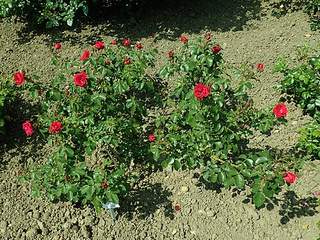
Breeder: Philip Sutherland. Year: 1996. USDA zones: 5-9.
Plant in full sun in fertile, well-drained soil; feed in spring, prune in late winter, deadhead for repeat flowering and mulch in autumn; watch for black spot and mildew.
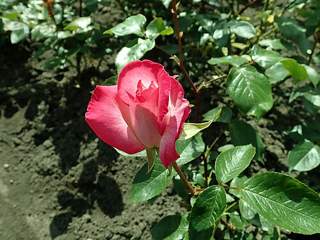
Breeder: Gaujard. Year: 1957. Type: Hybrid Tea. Colour: Carmine-red. Scent: Moderate. USDA zones: 6b-9b.
Plant in full sun in a sheltered spot in fertile, humus-rich, moist but well-drained soil; feed in spring and again in early summer, water deeply in dry spells, deadhead spent blooms and prune in late winter to healthy outward buds. Bred from 'Peace' x an 'Opéra' seedling; won two gold medals; a good survivor in cool oceanic climates.
Breeder: Ralph Moore. Type: Miniature. Colour: Red. Scent: Mild. USDA zones: 5-9.
Full sun in a sheltered spot, or in a large pot; rich, well-drained soil or compost with spring mulch; light pruning in late winter; feed little and often in the growing season; deadhead regularly; protect pots from hard frost; watch for blackspot and mildew in damp UK summers.
Breeder: Nabonnand. Year: 1907. Type: Tea. Colour: Tender bright yellow, deep centre. USDA zones: 7-10.
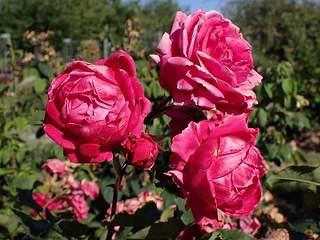
Breeder: B. Jalbert. Year: 2005. Type: Miniflora. Colour: Dark red. Scent: Light. USDA zones: 5-9.
Plant in full sun in fertile, well-drained soil; a compact miniflora for pots and small borders — prune lightly in late winter, feed in spring and deadhead for repeat flowering; mulch in cold winters.

Breeder: Herbert C. Swim. Year: 1948. Type: Hybrid Tea. Colour: Red. Scent: Strong. USDA zones: 6b-9b.
Plant in full sun in fertile, well-drained soil in a sheltered UK spot; prune in late winter, feed in spring and deadhead for repeat flowering, and mulch in autumn, protecting the graft union in colder areas. Give good air flow and watch for black spot and mildew in damp summers.
Breeder: Brad Jalbert. Colour: White, yellow centre. USDA zones: 5-9.
Plant in full sun in fertile, well-drained soil; prune in late winter, feed in spring and deadhead for repeat flowering; give good air flow in damp UK summers.

Breeder: McGredy. Year: 1964. Type: Floribunda. Colour: Deep pink. USDA zones: 5-9.
General guidance only — no specific care record survives for this rose: plant in full sun in fertile, well-drained soil; water in dry spells; feed with rose fertiliser in spring; prune in late winter and deadhead for repeat flowering.
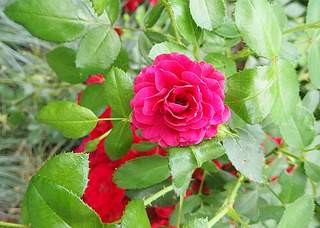
Breeder: Interplant. Year: 2025. Type: Hybrid Tea. Colour: Bright orange. USDA zones: 5-9.
A cut-flower rose bred for warm-climate production; in the UK grow under glass or in a warm sheltered sunny spot in fertile, well-drained soil, feed in spring and prune lightly - not a hardy garden rose in cold districts.
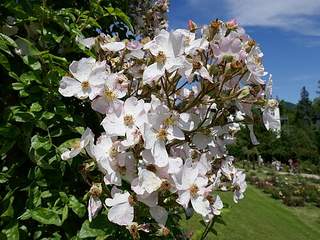
Breeder: Kordes. Year: 2000. Type: Shrub. Colour: Pink. USDA zones: 5-9.
Plant in full sun in fertile, well-drained soil; this hardy shrub needs little winter protection in most of the UK - mulch in autumn, prune lightly in late winter, feed in spring and deadhead for repeat flowering.
Breeder: Arnaud Delbard. Year: 2011. Type: Shrub. Scent: Damask-Classic. USDA zones: 5-9.
Full sun; fertile well-drained soil; water and feed through the growing season; mulch in spring; prune in late winter/early spring; deadhead to encourage repeat flowering.
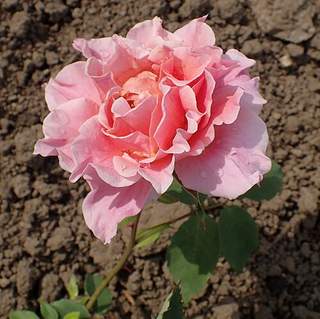
Breeder: E. G. Hill. Type: Hybrid Tea. Colour: Pink. Scent: Moderate. USDA zones: 5-9.
Full sun in a sheltered spot; rich, well-drained soil with spring mulch; prune in late winter, keeping a tall framework; feed in spring and after the first flush; deadhead for repeat flowering; watch for blackspot and mildew in damp UK summers.
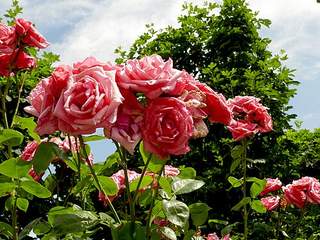
Breeder: E. G. Hill. Year: 1911. Type: Hybrid Tea. USDA zones: 6b-9b.
Full sun, fertile well-drained soil; feed in spring; prune lightly in late winter; mulch; watch for black spot and mildew
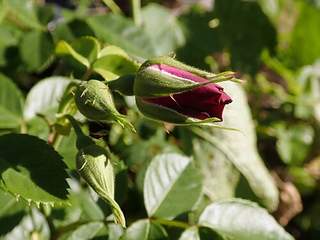
Breeder: Dr. Keith W. Zary. Year: 1999. Type: Hybrid Tea. Colour: Deep pink. USDA zones: 7b-9.
Plant in full sun in fertile, well-drained soil in a sheltered UK spot; prune in late winter, feed in spring and deadhead for repeat flowering, and mulch in autumn, protecting the graft union in colder areas. Give good air flow and watch for black spot and mildew in damp summers.
Breeder: Junko Kawamoto. Year: 2019. Type: Shrub. USDA zones: 6-9.
Plant in full sun in fertile, free-draining soil; mulch in spring, feed with rose fertiliser, prune in late winter and deadhead for repeat flowering; good air flow helps prevent disease in the UK climate.
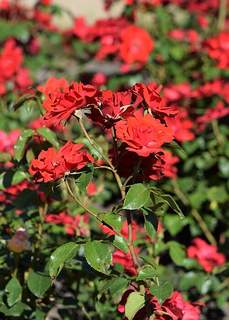
Breeder: Hirotomi Yamakawa. Year: 2018. Type: Shrub. Colour: Deep pink on white. Scent: Tea. USDA zones: 5-9.
Full sun; fertile well-drained soil; water and feed through the growing season; mulch in spring; prune in late winter/early spring; deadhead to encourage repeat flowering.
Breeder: Kordes. Year: 2000. Type: Floribunda. Colour: Orange. USDA zones: 5-9.
Plant in full sun in fertile, well-drained soil; prune in late winter, feed in spring and deadhead spent clusters for repeat flowering, and mulch in autumn. Give good air flow and watch for black spot in damp summers.
Breeder: Dominique Massad. Year: Before 2017. Type: Grandiflora. Scent: None. USDA zones: 6-9.
Plant in full sun in fertile, free-draining soil; mulch in spring, feed with rose fertiliser, prune in late winter and deadhead for repeat flowering; good air flow helps prevent disease in the UK climate.
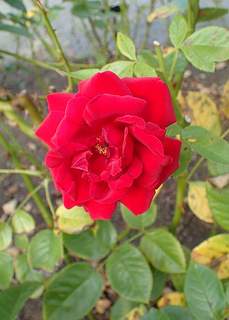
Breeder: Simon Voorwinde. Year: 2010. USDA zones: 5-9.
Breeder: Alister Clark. Year: 1931. Type: Climber. Colour: Red. USDA zones: 6-9.
Lost to cultivation - no plants in commerce and no reliable UK care record survives; listed for reference only, so no care details are given rather than inventing them.
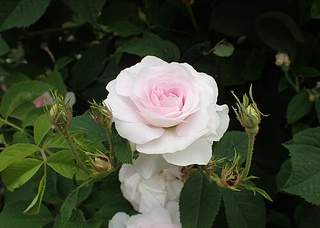
Breeder: Unknown. Year: Before 1848. Type: Alba. USDA zones: 4-9.
Breeder: L. Quinn. Year: 1953. USDA zones: 5-9.
Breeder: Wilhelm Hinner. Year: 1904. USDA zones: 5–9.
Breeder: Louis Lens. Year: 1957. Type: Floribunda. USDA zones: 5-9.
Plant in full sun in fertile, well-drained soil; prune in late winter, feed in spring and deadhead spent clusters for repeat flowering, and mulch in autumn. Give good air flow and watch for black spot in damp summers.
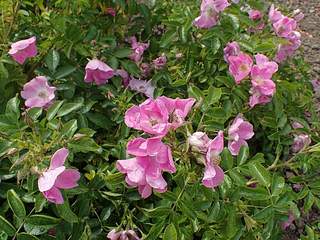
Breeder: Kordes. Year: 1992. Type: Shrub. Colour: Deep pink. Scent: Mild. USDA zones: 5-9.
Plant in full sun in fertile well-drained soil with room to grow; prune lightly in late winter, feed in spring, and deadhead for repeat Deep pink flowering. Give at least 6 hours of sun a day in fertile, humus-rich, moist but well-drained soil in a sheltered UK spot.
Breeder: Pedro Dot. Year: 1931. Type: Hybrid Pernetiana. Colour: Pink and yellow. USDA zones: 6-9.
Plant in full sun in fertile, humus-rich, moist but well-drained soil; mulch in late winter; feed with rose fertiliser in spring and again in early summer; prune in late winter; deadhead for repeat flowering; good air flow helps prevent disease in the UK climate.
Breeder: Harkness. Year: 2021. Type: Climber. Colour: Coral-pink scarlet. Scent: Moderate. USDA zones: 5-9.
Plant in full sun or partial shade against a wall, fence or pergola in rich, well-drained soil. Tie in young stems horizontally to encourage flowering along the length. Feed in spring and midsummer; water in dry spells. Prune after flowering, removing spent laterals and dead wood. Mulch in autumn.
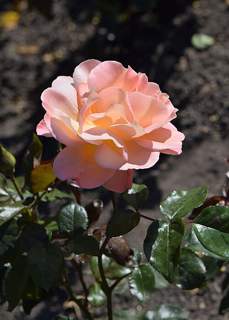
Breeder: Harkness. Year: 1985. Type: Hybrid Tea. Colour: Orange-pink. Scent: Strong. USDA zones: 5-9.
Plant in a sunny sheltered border in fertile well-drained soil. Feed in spring and early summer, water in dry spells, and prune in late winter for strong fragrant stems.
Breeder: Ludwig Taschner. Type: Hybrid Tea. USDA zones: 6-9.
Plant in full sun in fertile well-drained soil in a sheltered UK spot; feed in spring and deadhead for repeat flowering, and mulch in autumn.
Breeder: David Austin. Year: 2004. Type: English Shrub Rose. Colour: Soft pink. Scent: Medium Old Rose. USDA zones: 5-10.
Give 6+ hours of sun in fertile moist well-drained soil; mulch in spring and water in dry spells. Prune in late winter or early spring and watch for black spot.
Breeder: Ludwig Taschner. Type: Panarosa. Colour: Coral-orange centre blending to deep rosy pink.
Plant in full sun in fertile well-drained soil with room to spread (to about 2-3m); prune lightly in late winter; feed in spring; mulch in autumn.
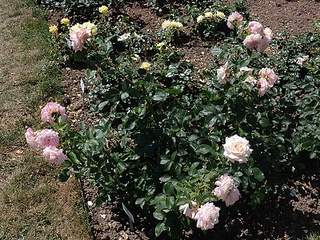
Breeder: Kordes. Year: 2011. Type: Floribunda. Colour: Pink. Scent: Light. USDA zones: 5b-9b.
Full sun for 6+ hours in fertile, moist but well-drained soil; mulch in spring and feed for its heavy flowering, watering in dry spells. Prune lightly in late winter or early spring and deadhead regularly; good disease resistance in most modern floribundas, but still watch for black spot; hardy in most of the UK.
Breeder: Kordes. Year: 2006. Type: Floribunda. Colour: Light pink. Scent: Mild. USDA zones: 5-9.
Plant in full sun in fertile well-drained soil; prune in late winter, feed in spring, and deadhead spent clusters for repeat Light pink flowering. Give at least 6 hours of sun a day in fertile, humus-rich, moist but well-drained soil in a sheltered UK spot.
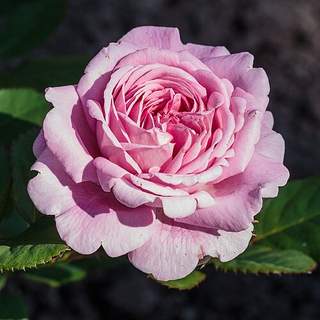
Breeder: Kordes. Year: 2013. Type: Floribunda. Colour: Pink. Scent: Strong. USDA zones: 5b-9b.
Parfuma rose; very fragrant. Full sun for 6+ hours in fertile, moist but well-drained soil; mulch in spring and feed for its heavy flowering, watering in dry spells. Prune lightly in late winter or early spring and deadhead regularly; good disease resistance in most modern floribundas, but still watch for black spot; hardy in most of the UK.
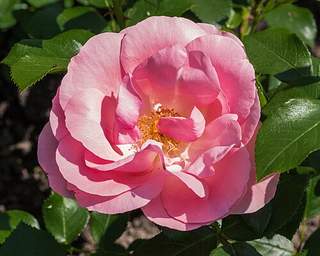
Breeder: Kordes. Year: 1997. Type: Floribunda. Colour: Pink. Scent: Moderate. USDA zones: 5-9.
Plant in full sun in fertile well-drained soil; prune in late winter, feed in spring, and deadhead spent clusters for repeat Pink flowering. Give at least 6 hours of sun a day in fertile, humus-rich, moist but well-drained soil in a sheltered UK spot.
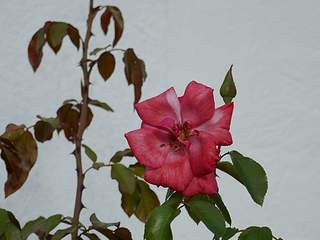
Breeder: Kordes. Year: 1986. Type: Shrub. Colour: Salmon-pink. Scent: Mild. USDA zones: 5-9.
Plant in full sun in fertile well-drained soil with room to grow; prune lightly in late winter, feed in spring, and deadhead for repeat Salmon-pink flowering. Give at least 6 hours of sun a day in fertile, humus-rich, moist but well-drained soil in a sheltered UK spot.
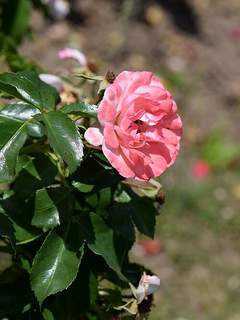
Breeder: Kordes. Year: 2010. Type: Shrub. Colour: Pink. Scent: Light. USDA zones: 5b-9b.
Full sun for 6+ hours in fertile, moist but well-drained soil; mulch in spring and feed lightly, watering in dry spells. Prune lightly in late winter or early spring to keep its shape and deadhead for repeat flowering; hardy in most of the UK.
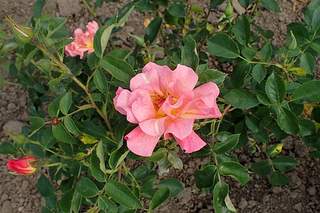
Breeder: Kordes. Year: 1989. Type: Shrub. Colour: Pink blend.
Plant in full sun in fertile, well-drained soil with room to grow; prune lightly in late winter, feed in spring and mulch in autumn. Give good air flow and watch for black spot in damp summers.
Breeder: Kordes. Year: 1989. Type: Shrub. Colour: Pink blend. Scent: Mild. USDA zones: 5-9.
Plant in full sun in fertile well-drained soil with room to grow; prune lightly in late winter, feed in spring, and deadhead for repeat Pink blend flowering. Give at least 6 hours of sun a day in fertile, humus-rich, moist but well-drained soil in a sheltered UK spot.
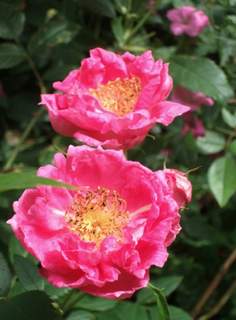
Breeder: Kordes. Year: 1934. Type: Shrub. Colour: Deep pink. Scent: Moderate. USDA zones: 5-9.
Plant in full sun in fertile well-drained soil with room to grow; prune lightly in late winter, feed in spring, and deadhead for repeat Deep pink flowering. Give at least 6 hours of sun a day in fertile, humus-rich, moist but well-drained soil in a sheltered UK spot.
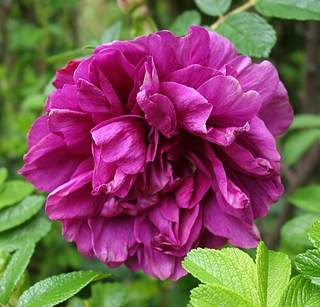
Breeder: Gravereaux. Year: 1901. Type: Rugosa. Colour: Purple-crimson. Scent: Very strong. USDA zones: 2-8.
Repeat-flowering rugosa hybrid, introduced just after 1900 but of the old rugosa class. Very hardy and tolerant of wind, poor soil and light shade; full sun best. Prune lightly in late winter, avoid heavy pruning if hips are wanted, and do not spray - rugosas dislike chemicals. Mulch in spring.
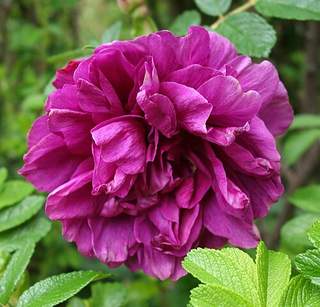
Breeder: Cochet. Year: 1861. Type: Rugosa. Colour: Purple. Scent: Moderate. USDA zones: 3-9.
Very hardy - Plant in full sun in fertile, well-drained soil; very hardy and tolerant of poor soil and coastal wind, needing little winter protection in the UK - prune lightly in late winter and feed sparingly in spring.
Breeder: Frank Benardella. Year: 1989. Type: Miniature. Colour: Dark red. USDA zones: 5-9.
Grow in a sunny spot with 6+ hours of sun in fertile, well-drained soil; water in dry spells, feed in spring, deadhead for repeat flowering and prune lightly in late winter, removing dead wood. Mulch in autumn for winter protection.
Breeder: Takunori Kimura. Year: 2026. USDA zones: 6-9.
Plant in full sun in fertile, free-draining soil; mulch in spring, feed with rose fertiliser, prune in late winter and deadhead for repeat flowering; good air flow helps prevent disease in the UK climate.
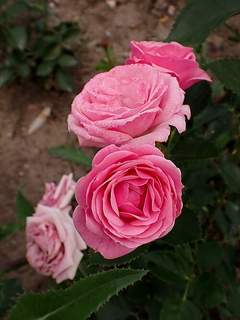
Breeder: Dickson. USDA zones: 5-9.
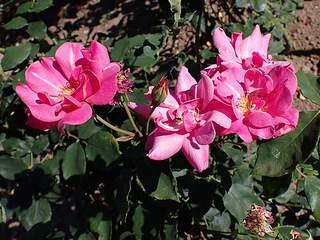
Breeder: Bonnaire. Year: 1896. Type: Hybrid Tea. Colour: Carnation red veined yellow. Scent: Fragrant. USDA zones: 5–9.
Full sun; fertile well-drained soil; water and feed through the growing season; mulch in spring; prune in late winter/early spring; deadhead to encourage repeat flowering.
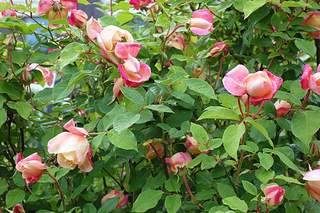
Breeder: Unknown. Year: 1922. Type: Tea. Colour: Yellow-pink. Scent: Moderate tea. USDA zones: 7-10.
Repeat-flowering Tea rose, introduced after 1900 but of the old Tea class. Tender in the UK - plant against a warm, sheltered south or west wall in fertile, well-drained soil. Prune in spring after frosts, mulch thickly in autumn, and feed in spring; protect from hard frost.
Breeder: Frank Benardella. Year: 1987. Type: Miniature. Colour: Pink blend. USDA zones: 5-9.
Plant in full sun in fertile, free-draining soil, in a pot or at the front of a border; mulch in spring, feed with rose fertiliser, prune lightly in late winter and deadhead for repeat flowering; good air flow helps prevent disease in the UK climate.
Breeder: W. Millington. Year: 2008. Type: Miniflora. USDA zones: 5-9.
Plant in full sun in fertile, well-drained soil; a compact miniflora for pots and small borders — prune lightly in late winter, feed in spring and deadhead for repeat flowering; mulch in cold winters.
Breeder: Weeks Roses. Type: Floribunda. Colour: Pink-white blend. Scent: Moderate. USDA zones: 5-9.
Full sun; rich, well-drained soil with spring mulch; light to moderate pruning in late winter; feed in spring and after the first flush; deadhead to encourage repeat flowering; watch for blackspot in damp UK summers.
Breeder: Weeks Roses. Type: Floribunda. USDA zones: 5-9.
Full sun; rich, well-drained soil with spring mulch; light to moderate pruning in late winter; feed in spring and after the first flush; deadhead to encourage repeat flowering; watch for blackspot in damp UK summers.
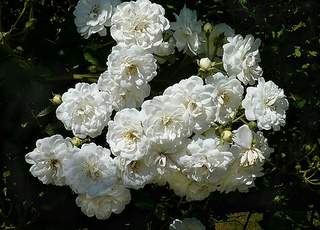
Breeder: Unknown. Year: pre-1800. Type: Gallica. Colour: Pink. Scent: Strong. USDA zones: 4-8.
Once-flowering in early summer. Full sun in fertile, well-drained soil; tolerates poorer soil and some shade, and suckers freely - give it room. Prune lightly after flowering, removing old wood; very hardy and generally healthy in the UK.
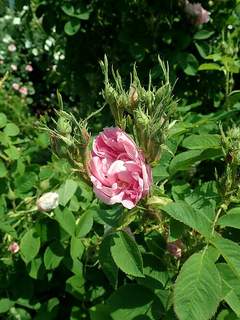
Breeder: Unknown. Year: 1700. Type: Damask. Colour: Pink. Scent: Strong. USDA zones: 4-9.
Very hardy - Plant in full sun in fertile, well-drained soil; prune lightly after flowering, feed in spring and mulch in autumn. Once-flowering types need little deadheading.
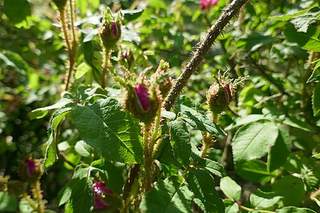
Breeder: Unknown. Year: pre-1800. Type: Moss. Colour: Pink. Scent: Strong. USDA zones: 4-9.
Once-flowering (some repeat). Full sun in fertile, well-drained soil; the mossy buds are fragrant when touched. Prune after flowering, keep air circulating, and avoid wetting the foliage; mulch in spring.
Breeder: Pedro Dot. Year: 1932. Type: Hybrid Tea. Colour: Deep pink. USDA zones: 6-9.
Plant in full sun in fertile, humus-rich, moist but well-drained soil; mulch in late winter; feed with rose fertiliser in spring and again in early summer; prune in late winter; deadhead for repeat flowering; good air flow helps prevent disease in the UK climate.
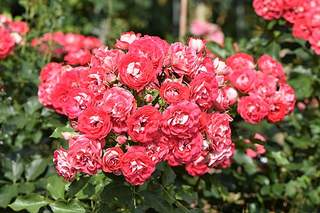
Breeder: Kordes. Type: Floribunda. USDA zones: 5-9.
Plant in full sun in fertile, well-drained soil; prune in late winter, feed in spring and deadhead spent clusters for repeat flowering, and mulch in autumn. Give good air flow and watch for black spot in damp summers.
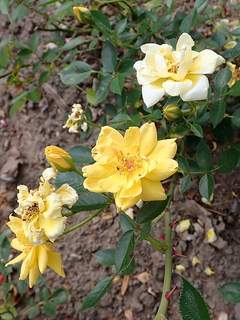
Breeder: Dot. Year: 1990. Type: Miniature. Colour: Pink. Scent: Mild. USDA zones: 5-9.
Full sun in a pot or at the front of a border in free-draining compost or soil; keep pots watered in dry weather and feed through summer. Prune lightly in late winter, deadhead spent blooms, and protect pots from hard frost in colder UK areas.
Breeder: Josef Strnad. Year: 1970. USDA zones: 5–9.
Full sun in fertile, well-drained soil; prune in late winter, feed in spring and deadhead for repeat flowering; hardy in most of the UK.
Breeder: R. Poulsen. Year: 2000. Type: Miniflora. Colour: Yellow blend. Scent: Light. USDA zones: 5-9.
Plant in full sun in fertile, well-drained soil; a compact miniflora for pots and small borders — prune lightly in late winter, feed in spring and deadhead for repeat flowering; mulch in cold winters.
Breeder: Pedro Dot. Year: 1962. Type: Hybrid Tea. Colour: Pink blend. USDA zones: 6-9.
Plant in full sun in fertile, humus-rich, moist but well-drained soil; mulch in late winter; feed with rose fertiliser in spring and again in early summer; prune in late winter; deadhead for repeat flowering; good air flow helps prevent disease in the UK climate.
Breeder: Kordes. Year: 1989. Type: Miniature. Colour: Deep pink. Scent: Mild. USDA zones: 5-9.
Grow in a sunny border or large pot in fertile well-drained soil; prune lightly in late winter, feed in spring, and deadhead for repeat Deep pink blooms. Give at least 6 hours of sun a day in fertile, humus-rich, moist but well-drained soil in a sheltered UK spot.
Breeder: Bonnaire. Year: 1895. Type: Hybrid Tea. Colour: Nacre white, salmon centre with flesh-pink reflections.
Full sun; fertile well-drained soil; water and feed through the growing season; mulch in spring; prune in late winter/early spring; deadhead to encourage repeat flowering.
Breeder: Soupert & Notting. Type: Hybrid Tea. USDA zones: 5-9.
Breeder: Dominique Massad. Year: 2006. Type: Shrub. Scent: Strong. USDA zones: 6-9.
Plant in full sun in fertile, free-draining soil; mulch in spring, feed with rose fertiliser, prune in late winter and deadhead for repeat flowering; good air flow helps prevent disease in the UK climate.
Breeder: P. Bernaix. Year: 1908. Type: Tea. Colour: Scarlet tending to copper red, outer petals reddish-violet at tip, apricot-yellow claw.
Needs a warm, sheltered, sunny spot in the UK; fertile well-drained soil; protect from hard frost; prune lightly in spring; best in southern England or against a sheltered wall.
Breeder: Dickson. Year: 1900. USDA zones: 5-9.
Breeder: L. Lens. Year: 2000. Type: Miniflora. Colour: Orange-pink. USDA zones: 5-9.
Plant in full sun in fertile, well-drained soil; a compact miniflora for pots and small borders — prune lightly in late winter, feed in spring and deadhead for repeat flowering; mulch in cold winters.
Breeder: Everland (Ho-soo Ha). Year: 2015. Type: Shrub. Scent: Strong. USDA zones: 6-9.
Bred for Japan's hot, humid summers; in the UK give full sun in fertile, free-draining soil in a sheltered spot, mulch in spring, feed with rose fertiliser, prune in late winter and deadhead for repeat flowering; good air flow helps prevent disease.
Breeder: Kordes. Year: 1995. Type: Groundcover. Colour: Pink. Scent: Mild. USDA zones: 5-9.
Plant in full sun in fertile, well-drained soil; prune lightly in late winter, feed in spring and mulch in autumn. Good air flow helps keep it healthy in damp UK summers.
Breeder: Interplant. Year: 1979. Type: Ground Cover. Scent: Light. USDA zones: 6-9.
Plant in full sun in fertile well-drained soil; prune lightly in late winter and feed in spring for repeat flowering ground cover.
Breeder: Dr. Dennison H. Morey. Year: 1958. Type: Miniature. Colour: Pink blend. USDA zones: 5-9.
Grow in a sunny spot with 6+ hours of sun in fertile, well-drained soil; water in dry spells, feed in spring, deadhead for repeat flowering and prune lightly in late winter, removing dead wood. Mulch in autumn for winter protection.
Breeder: Cocker. Year: 1968. Type: Climber. Colour: Pink. Scent: Moderate. USDA zones: 5-9.
Train on a sunny wall, fence, arch or pergola in fertile, well-drained soil; tie canes as horizontally as possible for more flowers, prune lightly in late winter, deadhead for repeat flowering, feed in spring and mulch in autumn.
Breeder: de Ruiter. Year: Unknown. Type: Miniature. Colour: Pink. Scent: Light. USDA zones: 6b-9b.
Plant in full sun in pots or edging in free-draining compost; keep watered in containers, feed in spring and deadhead for repeat flowering.
Breeder: Alister Clark. Year: 1914. Type: Climber. Colour: Clear pink. USDA zones: 6-9.
Train on a sunny wall, fence, arch or pergola in fertile, well-drained soil; tie canes as horizontally as possible for more flowers, prune lightly in late winter, deadhead for repeat flowering, feed in spring and mulch in autumn.
Breeder: Tom Carruth. Year: 1999. Type: Climbing. Colour: Deep pink, white stripes. Scent: Mild. USDA zones: 6b-9b.
Train over a wall, arch or pergola in full sun in fertile, well-drained soil; tie in new growth, prune out old flowered wood after flowering, feed in spring and mulch in autumn.
Breeder: R. Poulsen. Year: 2002. Type: Miniflora. Colour: Medium pink. Scent: Light. USDA zones: 5-9.
Plant in full sun in fertile, well-drained soil; a compact miniflora for pots and small borders — prune lightly in late winter, feed in spring and deadhead for repeat flowering; mulch in cold winters.
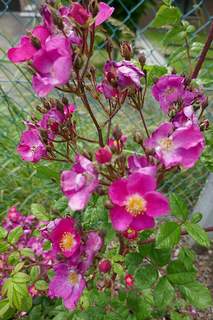
Breeder: Louis Lens. Year: 1995. Type: Shrub. Colour: Purple. USDA zones: 5-9.
Plant in full sun in fertile, well-drained soil; this hardy shrub needs little winter protection in most of the UK - mulch in autumn, prune lightly in late winter, feed in spring and deadhead for repeat flowering.
Breeder: Geschwind. Year: 1912. Type: Shrub. USDA zones: 4-9.
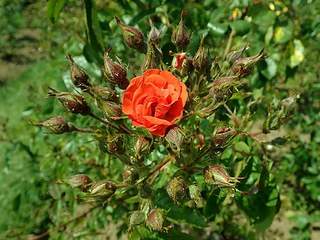
Breeder: Kordes. Year: 1989. Type: Shrub. Colour: Orange-red. Scent: Mild. USDA zones: 5-9.
Plant in full sun in fertile well-drained soil with room to grow; prune lightly in late winter, feed in spring, and deadhead for repeat Orange-red flowering. Give at least 6 hours of sun a day in fertile, humus-rich, moist but well-drained soil in a sheltered UK spot.
Breeder: Kordes. Year: 2008. Type: Shrub. Colour: Red. Scent: Mild. USDA zones: 5-9.
Full sun (6+ hours) in fertile, moist but well-drained soil in a sheltered UK spot; mulch in spring, feed in spring and early summer, and water in dry spells. Prune lightly in late winter, removing dead and crossing wood, and deadhead for repeat flowering.
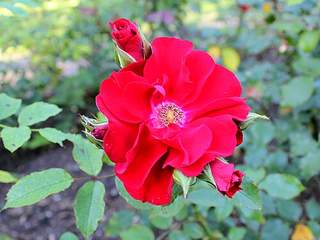
Breeder: Kordes. Year: 2004. Type: Shrub. Colour: Dark velvet red. Scent: Mild. USDA zones: 5-9.
Plant in full sun in fertile well-drained soil with room to grow; prune lightly in late winter, feed in spring, and deadhead for repeat Dark velvet red flowering. Give at least 6 hours of sun a day in fertile, humus-rich, moist but well-drained soil in a sheltered UK spot.

Breeder: Meilland. Year: 1958. Type: Hybrid Tea. Scent: None. USDA zones: 6-9.
Plant in full sun (6+ hours) in fertile, well-drained soil in a sheltered UK spot; prune in late winter to outward-facing buds, feed in spring, deadhead for repeat flowering and mulch in autumn. Give good air flow and watch for black spot and mildew in damp summers.
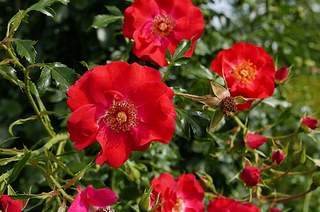
Breeder: Noack. Year: 1999. Type: Climbing. Colour: Red. Scent: Light. USDA zones: 5b-9b.
ADR winner; climbing rose, train on a wall or pergola. Full sun for 6+ hours in fertile, moist but well-drained soil; mulch and feed in spring, watering well in dry spells. Train its canes on a trellis, arch or wall, tying in new growth and pruning after flowering; hardy in most of the UK.
Breeder: Kordes. Year: 2000. Type: Floribunda. Colour: Crimson. Scent: Mild. USDA zones: 5-9.
Plant in full sun in fertile well-drained soil; prune in late winter, feed in spring, and deadhead spent clusters for repeat Crimson flowering. Give at least 6 hours of sun a day in fertile, humus-rich, moist but well-drained soil in a sheltered UK spot.
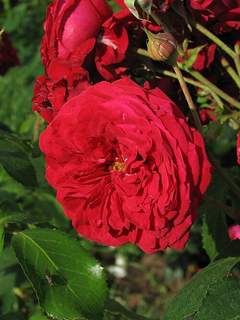
Breeder: Kordes. Year: 2009. Type: Floribunda. Colour: Red. Scent: Light. USDA zones: 5b-9b.
Fairy Tale rose, also sold as Maranello. Full sun for 6+ hours in fertile, moist but well-drained soil; mulch in spring and feed for its heavy flowering, watering in dry spells. Prune lightly in late winter or early spring and deadhead regularly; good disease resistance in most modern floribundas, but still watch for black spot; hardy in most of the UK.
Breeder: McGredy. Year: 1963. USDA zones: 5-9.
General guidance only — no specific care record survives for this rose: plant in full sun in fertile, well-drained soil; water in dry spells; feed with rose fertiliser in spring; prune in late winter and deadhead for repeat flowering.
Breeder: Dominique Massad. Year: 2014. Type: Shrub. USDA zones: 6-9.
Plant in full sun in fertile, free-draining soil; mulch in spring, feed with rose fertiliser, prune in late winter and deadhead for repeat flowering; good air flow helps prevent disease in the UK climate.
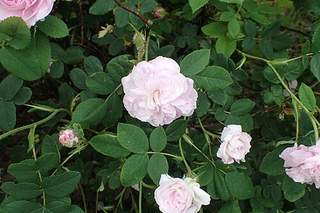
Breeder: Jiang Zhengzhi. Year: 2012. Type: Climber. Colour: Pink with silvery-white petal edges. USDA zones: 6-9.
Plant in full sun in fertile, free-draining soil against a wall, fence or pergola; tie in growth, mulch in spring, feed with rose fertiliser and prune after flowering for once-flowering types or in late winter for repeat-flowering types; good air flow helps prevent disease in the UK climate.
Breeder: Jiang Zhengzhi. Scent: Very light. USDA zones: 6-9.
Bred for hot, humid summers in China; in the UK give full sun in fertile, free-draining soil in a sheltered spot, mulch in spring, feed with rose fertiliser, prune in late winter and deadhead for repeat flowering; good air flow helps prevent disease.
Breeder: Delbard. Type: Groundcover. Colour: Red. USDA zones: 5-9.
Plant in full sun in fertile, well-drained soil; prune lightly in late winter, feed in spring and mulch in autumn. Good air flow helps keep it healthy in damp UK summers.

Breeder: Pedro Dot. Year: 1962. Type: Hybrid Tea. Colour: Red. USDA zones: 6-9.
Plant in full sun in fertile, well-drained soil in a sheltered UK spot; prune in late winter, feed in spring and deadhead for repeat flowering, and mulch in autumn, protecting the graft union in colder areas. Give good air flow and watch for black spot and mildew in damp summers.

Breeder: Mallerin. Year: Unknown. Type: Hybrid Tea. Colour: Dark red. Scent: Moderate. USDA zones: 6b-9b.
Plant in full sun in a sheltered spot in fertile, humus-rich, moist but well-drained soil; feed in spring and again in early summer, water deeply in dry spells, deadhead spent blooms and prune in late winter to healthy outward buds.
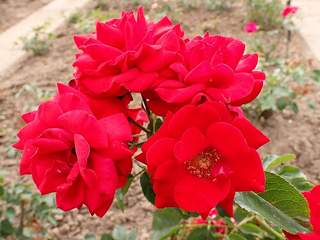
Breeder: Meilland. Year: 1949. Type: Hybrid Tea. Colour: Bright red. Scent: Very light. USDA zones: 5b-9b.
Full sun 6+ hours in fertile moist but well-drained soil; mulch in spring and water in dry spells. Prune in late winter and watch for black spot; hardy in most UK gardens.
Breeder: Meilland. Year: 1989. Type: Shrub. Colour: Red. Scent: None. USDA zones: 2-9.
Plant in full sun in fertile, well-drained soil with room to grow; prune lightly in late winter, feed in spring and mulch in autumn. Give good air flow and watch for black spot in damp summers.
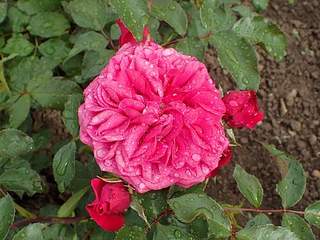
Breeder: Meilland. Year: 2006. Type: Floribunda. Colour: Red. Scent: Moderate. USDA zones: 5-9.
Plant in full sun in fertile well-drained soil; prune in late winter, feed in spring, and deadhead spent clusters for repeat Red flowering. Give at least 6 hours of sun a day in fertile, humus-rich, moist but well-drained soil in a sheltered UK spot.
Breeder: NIRP International. Type: Spray rose. Colour: Deep red.
Cut-flower rose bred for warm-climate greenhouse production (Kenya, Ecuador and Colombia); not a hardy UK garden rose — in the UK grow under glass or enjoy as cut florist roses; do not expect outdoor hardiness.
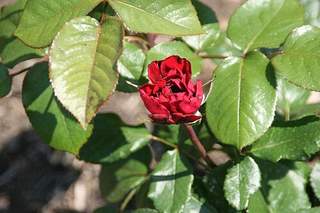
Breeder: Meilland. Year: 2000. Type: Hybrid Tea. Colour: Red.
Plant in full sun (6+ hours) in fertile, well-drained soil in a sheltered UK spot; prune in late winter to outward-facing buds, feed in spring, deadhead for repeat flowering and mulch in autumn. Give good air flow and watch for black spot and mildew in damp summers.
Breeder: Fuminori Nukariya. Year: 2023. Type: Hybrid Tea. Colour: Pale purple-pink. Scent: Blue. USDA zones: 6-9.
Bred for Japan's hot, humid summers; in the UK give full sun in fertile, free-draining soil in a sheltered spot, mulch in spring, feed with rose fertiliser, prune in late winter and deadhead for repeat flowering; good air flow helps prevent disease.
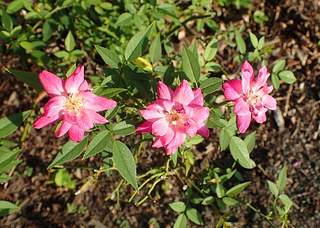
Breeder: Kordes. Year: 1922. Type: Miniature. Colour: Pink. Scent: Mild. USDA zones: 5-9.
Full sun in a pot or at the front of a border in free-draining compost or soil; keep pots watered in dry weather and feed through summer. Prune lightly in late winter, deadhead spent blooms, and protect pots from hard frost in colder UK areas.
Breeder: Falk Hannemann. Year: 1990. USDA zones: 6-9.
Plant in full sun in fertile, humus-rich, moist but well-drained soil; mulch in late winter; feed with rose fertiliser in spring and again in early summer; prune in late winter; good air flow helps prevent disease in the UK climate.

Breeder: Herbert C. Swim. Year: 1954. Type: Hybrid Tea. Colour: Dark red. USDA zones: 6b-9b.
Plant in full sun in fertile, well-drained soil in a sheltered UK spot; prune in late winter, feed in spring and deadhead for repeat flowering, and mulch in autumn, protecting the graft union in colder areas. Give good air flow and watch for black spot and mildew in damp summers.
Breeder: Tom Carruth. Year: 2001. Type: Shrub. Colour: Purple, white center. USDA zones: 6b-9b.
Plant in full sun in fertile, well-drained soil; this hardy shrub needs little winter protection in most of the UK — mulch in autumn, prune lightly in late winter, feed in spring and deadhead for repeat flowering.
Breeder: Dee Bennett. Year: 2004. Type: Miniflora. Colour: Red blend. Scent: Mild. USDA zones: 5-9.
Plant in full sun in fertile, free-draining soil, in a pot or at the front of a border; mulch in spring, feed with rose fertiliser, prune lightly in late winter and deadhead for repeat flowering; good air flow helps prevent disease in the UK climate.
Breeder: Dickson. USDA zones: 5-9.
Breeder: Dümmen Orange. Type: Hybrid Tea. Colour: Cream / Pink. USDA zones: 5-9.
Plant in full sun in fertile, humus-rich, moist but well-drained soil; mulch in late winter; feed with rose fertiliser in spring and again in early summer; prune in late winter; good air flow helps prevent disease in the UK climate.
Breeder: Kordes. Year: 2013. Type: Floribunda. Colour: Red. USDA zones: 5-9.
Plant in full sun in fertile, humus-rich, moist but well-drained soil; mulch in late winter; feed with rose fertiliser in spring and again in early summer; prune in late winter; good air flow helps prevent disease in the UK climate.
Breeder: Robbie Tucker. Year: 2001. Type: Miniflora. Colour: Orange-pink. USDA zones: 5-9.
Plant in full sun in fertile, free-draining soil, in a pot or at the front of a border; mulch in spring, feed with rose fertiliser, prune lightly in late winter and deadhead for repeat flowering; good air flow helps prevent disease in the UK climate.
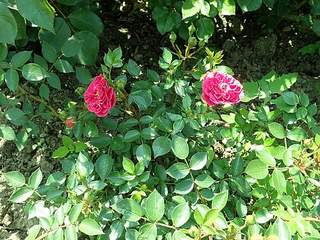
Breeder: Kordes. Year: 2007. Type: Miniature. Colour: Violet-red. Scent: Mild. USDA zones: 5-9.
Grow in a sunny border or large pot in fertile well-drained soil; prune lightly in late winter, feed in spring, and deadhead for repeat Violet-red blooms. Give at least 6 hours of sun a day in fertile, humus-rich, moist but well-drained soil in a sheltered UK spot.

Breeder: Unknown. Year: pre-1830. Type: Alba. Colour: White. Scent: Moderate. USDA zones: 3-8.
Once-flowering in early summer. Very hardy and shade-tolerant; thrives in poor soil where other roses struggle, in full sun or light shade. Prune lightly after flowering and give room for its tall arching canes; mulch in spring.
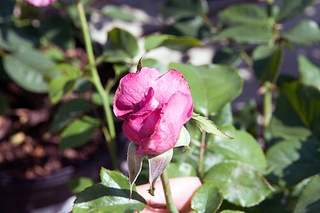
Breeder: Weeks Roses. Year: 1989. Type: Hybrid Tea. Colour: Purple-mauve. Scent: Moderate. USDA zones: 5-9.
Full sun in a sheltered spot; rich, well-drained soil with spring mulch; prune in late winter, keeping a tall framework; feed in spring and after the first flush; deadhead for repeat flowering; watch for blackspot and mildew in damp UK summers.
Breeder: Meilland. Year: 2000. Type: Hybrid Tea. Colour: Red. Scent: Mild. USDA zones: 7-9.
Plant in full sun (6+ hours) in fertile, well-drained soil in a sheltered UK spot; prune in late winter to outward-facing buds, feed in spring, deadhead for repeat flowering and mulch in autumn. Give good air flow and watch for black spot and mildew in damp summers.
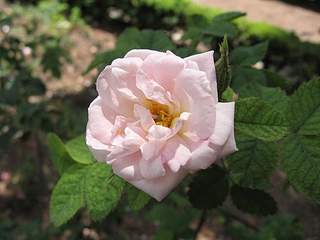
Breeder: Spek. Type: Shrub. USDA zones: 5-9.
Plant in full sun in fertile, well-drained soil and give it space to grow; prune lightly in spring, feed and mulch, and deadhead or leave hips as preferred; hardy in most UK gardens.
Breeder: Spek. Type: Garden rose. USDA zones: 5-9.
Plant in full sun in fertile, well-drained soil; feed in spring, mulch, deadhead regularly for repeat flowering, and prune lightly in spring.
Breeder: Spek. Type: Garden rose. USDA zones: 5-9.
Plant in full sun in fertile, well-drained soil; feed in spring, mulch, deadhead regularly for repeat flowering, and prune lightly in spring.
Breeder: Spek. Type: Garden rose. USDA zones: 5-9.
Plant in full sun in fertile, well-drained soil; feed in spring, mulch, deadhead regularly for repeat flowering, and prune lightly in spring.
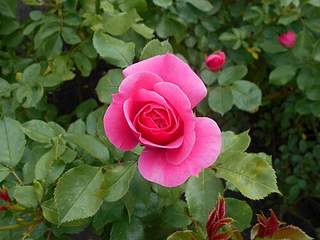
Breeder: Meilland. Year: 2005. Type: Shrub. Colour: Pink. Scent: Mild. USDA zones: 5-9.
Plant in full sun in fertile well-drained soil with room to grow; prune lightly in late winter, feed in spring, and deadhead for repeat Pink flowering. Give at least 6 hours of sun a day in fertile, humus-rich, moist but well-drained soil in a sheltered UK spot.
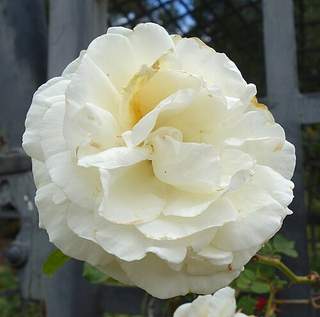
Breeder: Eugene S. Boerner. Year: 1966. Type: Hybrid Tea. Colour: Orange-red or dark red. Scent: Mild. USDA zones: 5-9.
Plant in full sun in fertile, well-drained soil in a sheltered UK spot; prune in late winter, feed in spring and deadhead for repeat flowering, and mulch in autumn, protecting the graft union in colder areas. Give good air flow and watch for black spot and mildew in damp summers.
Breeder: Tom Carruth. Year: 2004. Type: Floribunda. Colour: Purple, white stripes. USDA zones: 6b-9b.
Plant in full sun in fertile, well-drained soil; prune in late winter, feed in spring and deadhead spent clusters for repeat flowering, and mulch in autumn. Give good air flow and watch for black spot in damp summers.
Breeder: Brad Jalbert. USDA zones: 5-9.
Plant in full sun in fertile, well-drained soil; prune in late winter, feed in spring and deadhead for repeat flowering; give good air flow in damp UK summers.
Breeder: Interplant. Year: 2003. Type: Hybrid Tea. Scent: Light. USDA zones: 6-9.
Plant in full sun in fertile well-drained soil in a sheltered UK spot; feed in spring and deadhead for repeat flowering, and mulch in autumn.
Breeder: Conard & Jones.

Breeder: Poulsen. Year: 1995. Type: Hybrid Tea. Colour: Red. Scent: Moderate. USDA zones: 5-9.
Plant in full sun in fertile well-drained soil; feed in spring, deadhead for repeat flowering and prune in late winter, with good air flow to limit blackspot in damp UK summers.
Breeder: Felicitas Svejda. Year: 1991. Type: Groundcover. Colour: Pink. Scent: Mild. USDA zones: 3-9.
Very hardy — Plant in full sun in fertile, well-drained soil; prune lightly in late winter, feed in spring and mulch in autumn. Good air flow helps keep it healthy in damp UK summers.
Breeder: R. Poulsen. Year: 1992. Type: Miniflora. Colour: Pink blend. USDA zones: 5-9.
Plant in full sun in fertile, well-drained soil; a compact miniflora for pots and small borders — prune lightly in late winter, feed in spring and deadhead for repeat flowering; mulch in cold winters.
Breeder: Meilland. Year: 2013. Type: Hybrid Tea. Scent: Mild.
Plant in full sun (6+ hours) in fertile, well-drained soil in a sheltered UK spot; prune in late winter to outward-facing buds, feed in spring, deadhead for repeat flowering and mulch in autumn. Give good air flow and watch for black spot and mildew in damp summers.
Breeder: William A. Warriner. Year: 1969. Type: Hybrid Tea. Colour: Yellow. Scent: Mild. USDA zones: 5-9.
Plant in full sun in fertile, well-drained soil in a sheltered UK spot; prune in late winter, feed in spring and deadhead for repeat flowering, and mulch in autumn, protecting the graft union in colder areas. Give good air flow and watch for black spot and mildew in damp summers.
Breeder: Swim. Year: 1962. Type: Hybrid Tea. Colour: Light pink. Scent: Strong. USDA zones: 5-9.
Full sun, rich well-drained soil; shelter from cold wind, feed in spring, and prune in late winter.
Breeder: de Ruiter. Year: Unknown. Type: Hybrid Tea. Colour: Pink. Scent: Light. USDA zones: 6b-9b.
Bred mainly as a cut or florists' rose; in a UK garden give it full sun in fertile, well-drained soil in a sheltered spot, feed in spring, water in dry spells and prune in late winter, and protect from hard frost.
Breeder: David Austin. Year: 2012. Type: English Shrub Rose. Colour: Deep pink. Scent: Strong fruity blackcurrant. USDA zones: 5-10.
Needs 6+ hours of sun in fertile moist but well-drained soil with mulch; water well in dry spells, prune in late winter/early spring by about a third, and watch for black spot and mildew. Fully frost-hardy in the UK.
Breeder: McGredy. USDA zones: 5-9.
Breeder: R. Poulsen. Year: 2000. Type: Miniflora. Colour: Yellow blend. Scent: Light. USDA zones: 5-9.
Plant in full sun in fertile, well-drained soil; a compact miniflora for pots and small borders — prune lightly in late winter, feed in spring and deadhead for repeat flowering; mulch in cold winters.
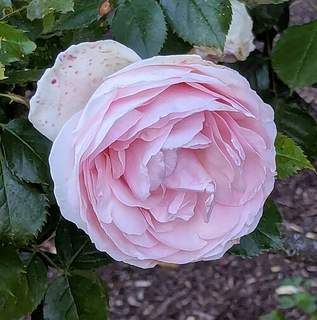
Breeder: Jan Spek. Type: Garden rose. Colour: Pinkish-yellow. USDA zones: 6-9.
Plant in full sun in fertile, free-draining soil; mulch in spring, feed with rose fertiliser, deadhead for repeat flowering and prune in late winter; good air flow helps prevent disease in the UK climate.
Breeder: Harkness. Year: 1990. Type: Hybrid Tea. Colour: Pink. Scent: Moderate. USDA zones: 5-9.
Give full sun and deep, rich soil improved with well-rotted manure. Mulch in spring to hold moisture. Feed in spring and after the first flush. Prune moderately in late winter, removing weak and crossing wood. Deadhead regularly. In wet UK summers, watch for black spot; pick off affected leaves early.
Breeder: Evers. Year: 2014. Type: Hybrid Tea. Colour: Pink. Scent: Strong. USDA zones: 5b-9b.
Full sun for 6+ hours in fertile, moist but well-drained soil; mulch in late winter and feed in spring and early summer. Prune in late winter or early spring, deadhead for repeat flowering, and watch for black spot and mildew; hardy in most of the UK, mound mulch over the graft in colder areas.
Breeder: Interplant. Year: Unknown. Type: Hybrid Tea. Colour: White-pink. Scent: Moderate. USDA zones: 6b-9b.
Bred mainly as a cut or florists' rose; in a UK garden give it full sun in fertile, well-drained soil in a sheltered spot, feed in spring, water in dry spells and prune in late winter, and protect from hard frost.
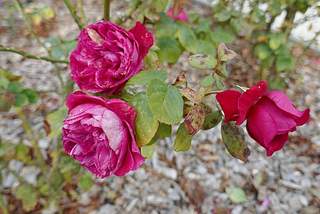
Breeder: Kordes. Year: 2025. Type: Climber. Colour: Red. Scent: Mild.
Train over a wall, arch or pergola in full sun in fertile, well-drained soil; tie in new canes as horizontally as possible, prune out old flowered wood after flowering, feed in spring and mulch in autumn. Watch for black spot in damp summers.
Breeder: Jan Spek. Type: Garden rose. USDA zones: 6-9.
Plant in full sun in fertile, free-draining soil; mulch in spring, feed with rose fertiliser, deadhead for repeat flowering and prune in late winter; good air flow helps prevent disease in the UK climate.
Breeder: NIRP International. Type: Spray rose. Colour: Creamy yellow-orange.
Cut-flower rose bred for warm-climate greenhouse production (Kenya, Ecuador and Colombia); not a hardy UK garden rose — in the UK grow under glass or enjoy as cut florist roses; do not expect outdoor hardiness.
Breeder: McGredy. Year: 1976. USDA zones: 5-9.
Plant in full sun in fertile, humus-rich, moist but well-drained soil; mulch in late winter; feed with rose fertiliser in spring and again in early summer; prune in late winter; good air flow helps prevent disease in the UK climate.
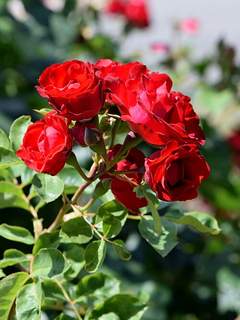
Breeder: Meilland. Year: 2004. Type: Floribunda. Colour: Pink. Scent: Moderate. USDA zones: 5-9.
Plant in full sun in fertile well-drained soil; prune in late winter, feed in spring, and deadhead spent clusters for repeat Pink flowering. Give at least 6 hours of sun a day in fertile, humus-rich, moist but well-drained soil in a sheltered UK spot.
Breeder: Peter Beales. Year: 1990. Type: Shrub. Colour: Pink. Scent: Moderate. USDA zones: 5-9.
Plant in full sun or light shade in fertile, well-drained soil. Feed in spring; mulch with compost or well-rotted manure. Water in dry spells, especially in the first year. Prune lightly in late winter, removing dead and weak wood and shaping the bush. Deadhead for repeat flowering. Tolerates a range of UK soils.
Breeder: Fryer. Year: 2000. Type: Climber. Colour: Red. Scent: Moderate. USDA zones: 6-9.
Plant in full sun or partial shade against a wall, fence or pergola in rich, well-drained soil. Tie in young stems horizontally to encourage flowering along the length. Feed in spring and midsummer; water in dry spells. Prune after flowering, removing spent laterals and dead wood. Mulch in autumn.
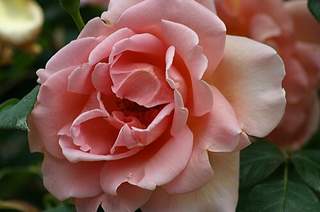
Breeder: Weeks Roses. Type: Hybrid Tea. Colour: Orange-pink blend. Scent: Mild. USDA zones: 5-9.
Full sun in a sheltered spot; rich, well-drained soil with spring mulch; prune in late winter, keeping a tall framework; feed in spring and after the first flush; deadhead for repeat flowering; watch for blackspot and mildew in damp UK summers.
Breeder: McGredy. Year: 1955. USDA zones: 5-9.
General guidance only — no specific care record survives for this rose: plant in full sun in fertile, well-drained soil; water in dry spells; feed with rose fertiliser in spring; prune in late winter and deadhead for repeat flowering.
Breeder: Alister Clark. Year: 1928. USDA zones: 6-9.
Lost to cultivation - no plants in commerce and no reliable UK care record survives; listed for reference only, so no care details are given rather than inventing them.
Breeder: Dr. Keith W. Zary. Year: 1998. Type: Floribunda. Colour: Apricot or apricot blend. Scent: Strong. USDA zones: 5b-9.
Plant in full sun in fertile, well-drained soil; prune in late winter, feed in spring and deadhead spent clusters for repeat flowering, and mulch in autumn. Give good air flow and watch for black spot in damp summers.
Breeder: Dr. Keith W. Zary. Year: 2016. Type: Hybrid Tea. Colour: Cream, pink edges. USDA zones: 5-9.
Plant in full sun in fertile, well-drained soil in a sheltered UK spot; prune in late winter, feed in spring and deadhead for repeat flowering, and mulch in autumn, protecting the graft union in colder areas. Give good air flow and watch for black spot and mildew in damp summers.

Breeder: Kordes. Year: 1987. Type: Hybrid Tea. Colour: Dark red. Scent: Strong. USDA zones: 6-9.
Plant in full sun in fertile, well-drained soil in a sheltered UK spot; prune in late winter, feed in spring and deadhead for repeat flowering, and mulch in autumn, protecting the graft union in colder areas. Give good air flow and watch for black spot and mildew in damp summers.
Breeder: McGredy. Year: 1954. USDA zones: 5-9.
General guidance only — no specific care record survives for this rose: plant in full sun in fertile, well-drained soil; water in dry spells; feed with rose fertiliser in spring; prune in late winter and deadhead for repeat flowering.
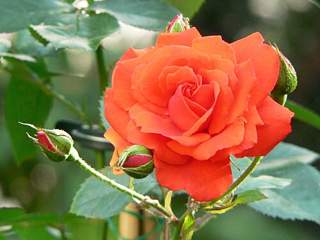
Breeder: Keith Zary. Year: 1990. Type: Hybrid Tea. Colour: Pink. Scent: Moderate. USDA zones: 5-9.
Plant in full sun in fertile well-drained soil; feed in spring, deadhead for repeat flowering and prune in late winter, with good air flow to limit blackspot in damp UK summers.
Breeder: Gergely Márk. Type: Climber. USDA zones: 5–9.
Full sun, fertile well-drained soil; train on a wall, fence or arch, mulch in autumn and prune in late winter. Hardy in the UK; watch for blackspot in wet summers.
Breeder: Josef Urban. Year: 1986. USDA zones: 5–9.
Full sun in fertile, well-drained soil; prune in late winter, feed in spring and deadhead for repeat flowering; hardy in most of the UK.
Breeder: Harkness. Year: 2025. Type: Shrub. Colour: Yellow-orange changing pink-red. USDA zones: 5-9.
Plant in full sun in fertile, humus-rich, moist but well-drained soil; mulch in late winter; feed with rose fertiliser in spring and again in early summer; prune in late winter; good air flow helps prevent disease in the UK climate.
Breeder: Rosen Tantau. Year: 2018. Type: Hybrid Tea. USDA zones: 6-9.
No published care record - grow as a modern garden rose in the UK: full sun, sheltered spot, fertile well-drained soil, water in dry spells, feed in spring, prune in late winter.
Breeder: Rosen Tantau. Year: 2018. Type: Floribunda. USDA zones: 6-9.
No published care record
Breeder: Rosen Tantau. Year: 2018. Type: Hybrid Tea. USDA zones: 6-9.
No published care record - grow as a modern garden rose in the UK: full sun, sheltered spot, fertile well-drained soil, water in dry spells, feed in spring, prune in late winter.
Breeder: Rosen Tantau. Year: 2017. Type: Shrub. Colour: Shocking pink. Scent: Damask-Classic. USDA zones: 6-9.
No published care record - grow as a modern garden rose in the UK: full sun, sheltered spot, fertile well-drained soil, water in dry spells, feed in spring, prune in late winter.
Breeder: McGredy. Year: 1946. USDA zones: 5-9.
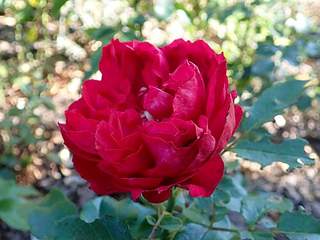
Breeder: Meilland. Year: 2012. Type: Shrub. Scent: Strong.
Plant in full sun in fertile, well-drained soil with room to grow; prune lightly in late winter, feed in spring and mulch in autumn. Give good air flow and watch for black spot in damp summers.
Breeder: Dr. Georg Krüger. Year: 1917. USDA zones: 5–9.
Breeder: Schmidt. Year: 1899. Type: Rambler. Colour: Rose-red. Scent: Light. USDA zones: 5-9.
Train over an arch, pergola, fence or wall in full sun in fertile, well-drained soil; flowers once in early summer in a big flush - prune out old flowered wood after flowering, tie in new growth, feed in spring and mulch in autumn.
Breeder: Dominique Massad. Year: 2007. Type: Shrub. Scent: Light. USDA zones: 6-9.
Plant in full sun in fertile, free-draining soil; mulch in spring, feed with rose fertiliser, prune in late winter and deadhead for repeat flowering; good air flow helps prevent disease in the UK climate.
Breeder: Pedro Dot. Year: 1947. Type: Hybrid Tea. Colour: Pink. USDA zones: 6-9.
Plant in full sun in fertile, humus-rich, moist but well-drained soil; mulch in late winter; feed with rose fertiliser in spring and again in early summer; prune in late winter; deadhead for repeat flowering; good air flow helps prevent disease in the UK climate.
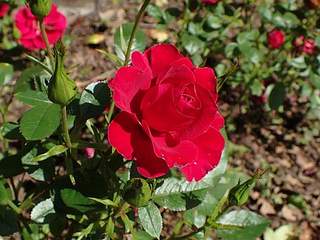
Breeder: Frank Benardella. Year: 2002. Type: Miniature. Colour: Dark red. USDA zones: 5-9.
Plant in full sun in fertile, free-draining soil, in a pot or at the front of a border; mulch in spring, feed with rose fertiliser, prune lightly in late winter and deadhead for repeat flowering; good air flow helps prevent disease in the UK climate.

Breeder: Fryer. Year: 2015. Type: Floribunda. Colour: Red. Scent: Moderate. USDA zones: 5-9.
Plant in full sun in fertile, well-drained soil. Feed in spring and midsummer; water in dry spells. Deadhead clusters to keep flowers coming. Prune lightly in late winter, shaping the bush and removing dead wood. Mulch in spring. Generally disease-resistant, but watch for black spot in wet seasons.
Type: Miniature. Colour: Red blend. USDA zones: 5-9.
Plant in full sun in fertile, well-drained soil; a compact miniature for pots and small borders — prune lightly in late winter, feed in spring and deadhead for repeat flowering; mulch in cold winters.
Breeder: Dr. Dennison H. Morey. Year: 1958. Type: Miniature. Colour: Medium red. USDA zones: 5-9.
Grow in a sunny spot with 6+ hours of sun in fertile, well-drained soil; water in dry spells, feed in spring, deadhead for repeat flowering and prune lightly in late winter, removing dead wood. Mulch in autumn for winter protection.
Breeder: Alister Clark. Year: 1915. Type: Wichurana rambler. Colour: Carmine red with white centre. USDA zones: 6-9.
Train over an arch, pergola, fence or wall in full sun in fertile, well-drained soil; flowers once in early summer in a big flush - prune out old flowered wood after flowering, tie in new growth, feed in spring and mulch in autumn.
Breeder: Kordes. Year: 2023. Type: Floribunda.
Plant in full sun (6+ hours) in fertile, well-drained soil; prune lightly in late winter, feed in spring, deadhead spent clusters for repeat flowering and mulch in autumn. Give good air flow and watch for black spot in damp summers.
Breeder: Swim. Year: 1958. Type: Floribunda. Colour: Red. Scent: Mild. USDA zones: 5-9.
Plant in full sun in fertile well-drained soil; mulch in spring and deadhead spent clusters for repeat flowering, with good air circulation to reduce blackspot in wet UK summers.
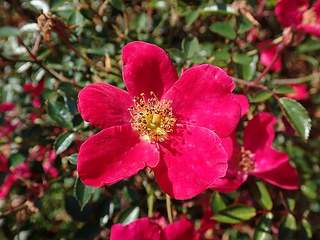
Breeder: Dr. Keith W. Zary. Year: 2013. Type: Shrub. Colour: Red. USDA zones: 5-9.
Plant in full sun in fertile, well-drained soil; this hardy shrub needs little winter protection in most of the UK — mulch in autumn, prune lightly in late winter, feed in spring and deadhead for repeat flowering.
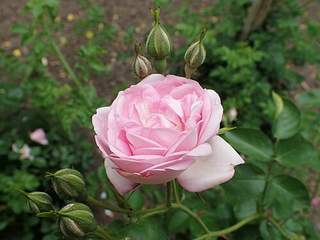
Breeder: Walter Van Fleet. Type: Climber. USDA zones: 5-9.
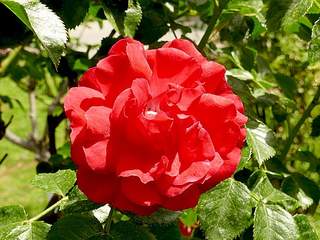
Breeder: Meilland. Type: Floribunda. Colour: Deep red. Scent: Light fruity. USDA zones: 4-10.
Plant in full sun in fertile, humus-rich, moist but well-drained soil; mulch in late winter; feed with rose fertiliser in spring and again in early summer; prune in late winter; good air flow helps prevent disease in the UK climate.
Breeder: Harkness. Year: 2007. Type: Shrub. Colour: Red. Scent: Moderate. USDA zones: 6-9.
A shrub rose for a sunny or lightly shaded border in rich, moisture-retentive soil. Feed in spring and mulch to keep roots cool and moist. Light pruning after flowering or in late winter; remove crossing stems. Water well while establishing. Generally hardy and disease-resistant in UK gardens.
Breeder: Alister Clark. Year: 1915. Type: Shrub. USDA zones: 5-9.
Plant in full sun in fertile, well-drained soil; this hardy shrub needs little winter protection in most of the UK - mulch in autumn, prune lightly in late winter, feed in spring and deadhead for repeat flowering.
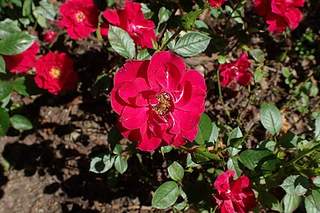
Breeder: Tom Carruth. Year: 2000. Type: Miniature. Colour: Cherry-red to ruby-red. USDA zones: 6b-9b.
Grow in full sun in fertile, well-drained soil or a pot with good drainage; prune lightly in late winter, feed in spring, deadhead for repeat flowering and protect pots from hard frost.
Breeder: Tom Carruth. Year: 2004. Type: Miniature. Colour: Red. Scent: Mild. USDA zones: 5-9.
Plant in full sun in fertile well-drained soil or a pot with good drainage; feed in spring, deadhead for repeat flowering and protect from hard frost in colder UK areas.
Breeder: Laurie Ulrick. Year: 1953. Type: Floribunda. Colour: deep pink. USDA zones: 5-9.
Plant in full sun in fertile, well-drained soil; prune lightly in late winter, feed in spring and deadhead for repeat flowering; mulch in cold winters.
Breeder: Fryer. Type: Hybrid Tea. Colour: Deep crimson. Scent: Strong. USDA zones: 5-9.
Plant in full sun in fertile, humus-rich, moist but well-drained soil; mulch in late winter; feed with rose fertiliser in spring and again in early summer; prune in late winter; good air flow helps prevent disease in the UK climate.
Breeder: Fryer. Type: Patio. USDA zones: 5-9.
Plant in full sun in fertile, humus-rich, moist but well-drained soil; ideal for pots and borders; mulch in late winter, feed with rose fertiliser in spring and prune lightly in late winter.
Breeder: Peter Lambert. Year: 1914. Type: Multiflora Climber. Colour: Yellow. USDA zones: 5-9.
Breeder: Hermann Kiese. Year: 1919. Type: Hybrid Multiflora. USDA zones: 5–9.
Breeder: Peter Lambert. Year: 1932. Type: Climber. Colour: Rose-pink. USDA zones: 5-9.
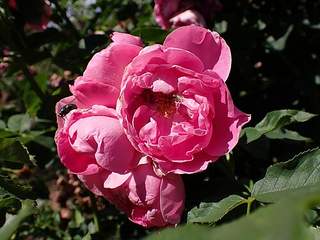
Breeder: Benetka. Year: 2002. USDA zones: 5–9.
Full sun in fertile, well-drained soil; prune in late winter, feed in spring and deadhead for repeat flowering; hardy in most of the UK.
Breeder: D. Clemons. Year: 2002. Type: Miniflora. Colour: Orange-pink. Scent: Light. USDA zones: 5-9.
Plant in full sun in fertile, well-drained soil; a compact miniflora for pots and small borders — prune lightly in late winter, feed in spring and deadhead for repeat flowering; mulch in cold winters.
Breeder: Dr. Keith W. Zary. Year: 2004. Type: Shrub. Colour: Deep pink, pink reverse. USDA zones: 4b-9b.
Plant in full sun in fertile, well-drained soil; this hardy shrub needs little winter protection in most of the UK — mulch in autumn, prune lightly in late winter, feed in spring and deadhead for repeat flowering.
Breeder: Dr. Keith W. Zary. Year: 2026. Type: Floribunda. Colour: Golden yellow-apricot to pink. Scent: Moderate. USDA zones: 5-9.
Full sun; rich, well-drained soil with spring mulch; light to moderate pruning in late winter; feed in spring and after the first flush; deadhead to encourage repeat flowering; watch for blackspot in damp UK summers.
Breeder: Tom Carruth. Year: 2007. Type: Hybrid Tea. Colour: Pink. Scent: Strong. USDA zones: 6b-9b.
Plant in full sun in fertile, well-drained soil in a sheltered UK spot; prune in late winter, feed in spring and deadhead for repeat flowering, and mulch in autumn, protecting the graft union in colder areas. Give good air flow and watch for black spot and mildew in damp summers.
Breeder: Interplant. Type: Floribunda. USDA zones: 6-9.
Plant in full sun in fertile well-drained soil; deadhead spent clusters and prune lightly in late winter for bushy repeat flowering.
Breeder: Kordes. Year: 1989. Type: Shrub. Colour: Yellow. Scent: Mild. USDA zones: 5-9.
Full sun (6+ hours) in fertile, moist but well-drained soil in a sheltered UK spot; mulch in spring, feed in spring and early summer, and water in dry spells. Prune lightly in late winter, removing dead and crossing wood, and deadhead for repeat flowering.
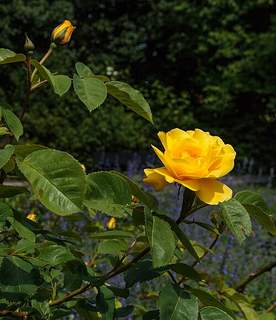
Breeder: Kordes. Year: 1989. Type: Shrub. Colour: Yellow-pink. Scent: Strong. USDA zones: 4b-9b.
ADR winner; very hardy, strong scent. Full sun for 6+ hours in fertile, moist but well-drained soil; mulch in spring and feed lightly, watering in dry spells. Prune lightly in late winter or early spring to keep its shape and deadhead for repeat flowering; hardy in most of the UK.
Breeder: Walter Van Fleet. Type: Hybrid Rugosa. USDA zones: 3-9.
Very hardy; full sun, poor soil tolerated; prune lightly in late winter; avoid spraying; mulch in spring
Breeder: Otto Jacobs. Year: 1904. Type: Hybrid Perpetual. USDA zones: 5–9.
Year: 1996. Type: Miniature. Colour: Cherry red. USDA zones: 5-9.
Plant in full sun in fertile, well-drained soil; a compact miniature for pots and small borders — prune lightly in late winter, feed in spring and deadhead for repeat flowering; mulch in cold winters.
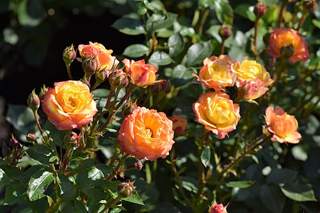
Breeder: Poulsen. Year: 1958. Type: Floribunda. Colour: Red-yellow bicolour. Scent: Light. USDA zones: 5-9.
Substitute for Dorthe (no Poulsen rose of that name found). Needs sun, good drainage and deadheading; tolerates cooler UK summers well.
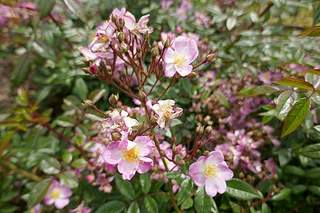
Breeder: Louis Lens. Year: 1980. Type: Shrub. USDA zones: 5-9.
Plant in full sun in fertile, well-drained soil; this hardy shrub needs little winter protection in most of the UK - mulch in autumn, prune lightly in late winter, feed in spring and deadhead for repeat flowering.
Breeder: Mike Athy. Type: Climber. Colour: Pink. USDA zones: 6-9.
Plant in full sun in fertile, well-drained soil in a sheltered UK spot; feed in spring and deadhead for repeat flowering; mulch in autumn as it prefers warmer gardens.
Breeder: Griffith Buck. Type: Shrub. Colour: Pink. USDA zones: 4-9.
Full sun; rich, well-drained soil with spring mulch; light pruning in late winter; feed in spring; deadhead to encourage repeat flowering; very hardy, needing little winter protection in most of the UK; watch for blackspot in damp UK summers.
Breeder: Brada. Year: 1934. USDA zones: 5–9.
Full sun in fertile, well-drained soil; prune in late winter, feed in spring and deadhead for repeat flowering; hardy in most of the UK.
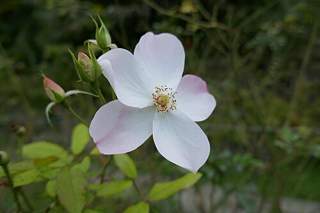
Breeder: Louis Lens. Year: 1983. Type: Hybrid Musk. Colour: Deep pink. Scent: Moderate. USDA zones: 5-9.
Plant in full sun in fertile well-drained soil; feed in spring and prune lightly after flowering for repeat clusters of small pink blooms.
Breeder: Walter Van Fleet. Type: Hybrid Rugosa. USDA zones: 3-9.
Very hardy; full sun, poor soil tolerated; prune lightly in late winter; avoid spraying; mulch in spring
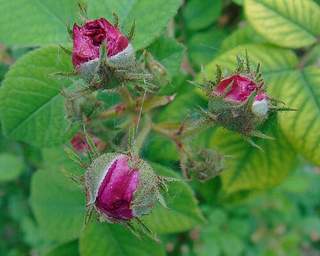
Breeder: Unknown. Year: 1826. Type: Rambler. Colour: Crimson. Scent: Light. USDA zones: 5-9.
Train over an arch, pergola, fence or wall in full sun in fertile, well-drained soil; flowers once in early summer in a big flush - prune out old flowered wood after flowering, tie in new growth, feed in spring and mulch in autumn.
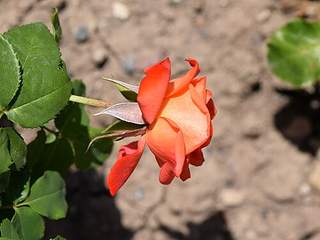
Breeder: Stefan Wagner & Gabriela Roman. Type: Ground cover. USDA zones: 5–9.
Full sun, fertile well-drained soil; mulch in autumn and prune in late winter. Bred for cold continental winters, so hardy in the UK; give good air flow and watch for blackspot in wet summers.
Breeder: Ron Bell. Year: 1989. USDA zones: 6-9.
Plant in full sun in fertile, humus-rich, moist but well-drained soil; mulch in late winter; feed with rose fertiliser in spring and again in early summer; prune in late winter; good air flow helps prevent disease in the UK climate.