H. Armytage Moore
Breeder: Dickson. Year: 1907. USDA zones: 5-9.
DAAORA home · Rose library · Community
A · B · C · D · E · F · G · H · I · J · K · L · M · N · O · P · Q · R · S · T · U · V · W · X · Y · Z · other names
Breeder: Dickson. Year: 1907. USDA zones: 5-9.
Breeder: Dickson. Year: 1917. USDA zones: 5-9.
Breeder: Dickson. Year: 1913. USDA zones: 5-9.
Breeder: Peter Lambert. Year: 1914. Type: Hybrid Tea. Colour: Carmine-red. USDA zones: 5–9.
Breeder: Dickson. Year: 1918. USDA zones: 5-9.
Breeder: Dickson. Year: 1919. USDA zones: 5-9.
Breeder: Dickson. Year: 1904. USDA zones: 5-9.
Breeder: Dickson. Year: 1919. USDA zones: 5-9.
Breeder: Dickson. Year: 1914. USDA zones: 5-9.
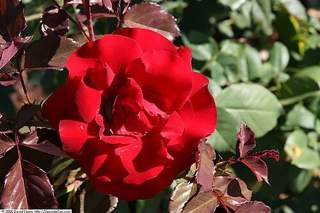
Breeder: Poulsen. Year: 1986. Type: Polyantha. Colour: Dark red. Scent: Light. USDA zones: 4-9.
Substitute for Copenhagen (no Poulsen rose of that name found). Very robust and healthy; thrives in sun in well-drained soil with light spring pruning.
Breeder: de Ruiter. Year: Unknown. Type: Hybrid Tea. Colour: Pink. Scent: Light. USDA zones: 6b-9b.
Bred mainly as a cut or florists' rose; in a UK garden give it full sun in fertile, well-drained soil in a sheltered spot, feed in spring, water in dry spells and prune in late winter, and protect from hard frost.
Breeder: Griffith Buck. Year: 1980. Type: Shrub. Colour: Pink. Scent: Mild. USDA zones: 4-9.
Plant in full sun in fertile well-drained soil; mulch in spring and prune lightly in late winter, deadheading for repeat flowering, with good air flow in damp UK summers.
Breeder: Dr. Keith W. Zary. Year: 2000. Type: Floribunda. Colour: Orange-pink. USDA zones: 5b-9b.
Plant in full sun in fertile, well-drained soil; prune in late winter, feed in spring and deadhead spent clusters for repeat flowering, and mulch in autumn. Give good air flow and watch for black spot in damp summers.
Breeder: Orard. Year: Unknown. Type: Hybrid Tea. Colour: Pink. Scent: Moderate. USDA zones: 6b-9b.
Plant in full sun in a sheltered spot in fertile, humus-rich, moist but well-drained soil; feed in spring and again in early summer, water deeply in dry spells, deadhead spent blooms and prune in late winter to healthy outward buds.
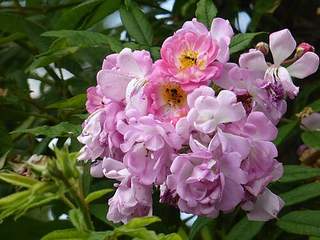
Breeder: Hermann Kiese. Year: 1913. Type: Hybrid Multiflora. Colour: Delicate lilac-pink with white centres. USDA zones: 5–9.
Hardy thornless climber; give sun and support
Breeder: Gyeongnam Agricultural Research and Extension Services. Year: Not. Colour: Red. USDA zones: 6-9.
Plant in full sun in fertile, free-draining soil; mulch in spring, feed with rose fertiliser, prune in late winter and deadhead for repeat flowering; good air flow helps prevent disease in the UK climate.
Breeder: Poulsen. Year: 1994. Type: Patio. Scent: Light. USDA zones: 5-9.
Full sun in a sheltered spot, good in pots and small beds; rich, well-drained compost with spring mulch; light pruning in late winter; feed in spring; deadhead for repeat flowering; protect pots from hard frost.
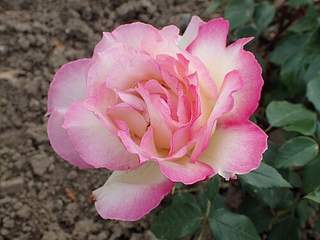
Breeder: Meilland. Year: 1947. Type: Hybrid Tea. Scent: Strong. USDA zones: 5-9.
Full sun in a sheltered spot; rich, well-drained soil with spring mulch; prune in late winter to outward-facing buds; feed in spring and after the first flush; deadhead for repeat flowering; watch for blackspot and mildew in damp UK summers.
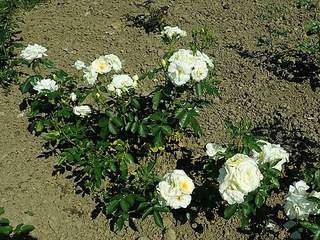
Breeder: Poulsen. Year: 1962. Type: Floribunda. Scent: Light. USDA zones: 5-9.
Full sun; rich, well-drained soil with spring mulch; light to moderate pruning in late winter; feed in spring and after the first flush; deadhead to encourage repeat flowering; watch for blackspot in damp UK summers.
Breeder: M.M. Gryshko National Botanical Garden. USDA zones: 5–9.
Bred for cold continental winters; full sun in fertile, well-drained soil; feed in spring, prune in late winter and mulch in autumn; hardy in most of the UK.
Breeder: David E. Clemons. Year: 2025. Type: Miniflora. Colour: Deep pink. Scent: None. USDA zones: 5-9.
Plant in full sun in fertile, well-drained soil; a compact miniflora for pots and small borders — prune lightly in late winter, feed in spring and deadhead for repeat flowering; mulch in cold winters.
Breeder: Delbard. Year: 2000. Type: Hybrid Tea. Colour: Red. Scent: Moderate. USDA zones: 5-9.
Needs a sunny, sheltered spot and fertile, moisture-retentive but well-drained soil. Feed with rose fertiliser in spring and July. Water at the base, not overhead, in dry weather. Prune in February-March to an outward-facing bud. Remove faded flowers promptly. Watch for aphids and black spot; improve air circulation around the plant.
Breeder: William J. Radler. Year: 2000. Type: Shrub. Colour: Red blend. USDA zones: 6b-9b.
Plant in full sun in fertile, well-drained soil; this hardy shrub needs little winter protection in most of the UK — mulch in autumn, prune lightly in late winter, feed in spring and deadhead for repeat flowering.
Breeder: Pheno Geno. Type: Shrub. Colour: Scarlet. Scent: Mild. USDA zones: 5-9.
Plant in full sun in fertile, well-drained soil; this hardy shrub needs little winter protection in most of the UK - mulch in autumn, prune lightly in late winter, feed in spring and deadhead for repeat flowering.
Breeder: Fryer. Year: 2015. Type: Floribunda. Colour: Pink. Scent: Moderate. USDA zones: 5-9.
Plant in full sun in fertile, well-drained soil. Feed in spring and midsummer; water in dry spells. Deadhead clusters to keep flowers coming. Prune lightly in late winter, shaping the bush and removing dead wood. Mulch in spring. Generally disease-resistant, but watch for black spot in wet seasons.
Breeder: Ralph Moore. Year: 1997. Type: Miniature. USDA zones: 5-9.
Grow in a sunny spot with 6+ hours of sun in fertile, well-drained soil; water in dry spells, feed in spring, deadhead for repeat flowering and prune lightly in late winter, removing dead wood. Mulch in autumn for winter protection.
Type: Miniflora. Colour: Orange-pink. USDA zones: 5-9.
Plant in full sun in fertile, well-drained soil; a compact miniflora for pots and small borders — prune lightly in late winter, feed in spring and deadhead for repeat flowering; mulch in cold winters.

Breeder: Kordes. Year: 1935. Type: Shrub. Colour: Crimson-red. Scent: Strong. USDA zones: 4b-9b.
Hardy shrub rose for UK gardens in full sun and well-drained soil. Light pruning in spring keeps its arching habit in shape.
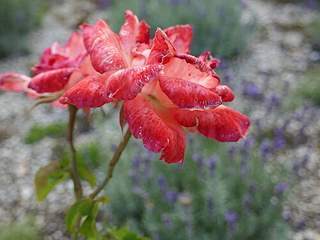
Breeder: Kordes. Year: 1997. Type: Hybrid Tea. Colour: Orange-pink. Scent: Moderate. USDA zones: 5-9.
Plant in full sun in fertile well-drained soil; prune in late winter, feed in spring, and deadhead for repeat Orange-pink blooms. Give at least 6 hours of sun a day in fertile, humus-rich, moist but well-drained soil in a sheltered UK spot.
Breeder: Kordes. Year: 1954. Type: Climber. Colour: Red. Scent: Mild. USDA zones: 5-9.
Train on a wall, arch, pergola or fence in full sun in fertile well-drained soil; tie in new canes, prune after flowering (ramblers) or lightly in late winter (repeat climbers), and deadhead for repeat Red blooms. Give at least 6 hours of sun a day in fertile, humus-rich, moist but well-drained soil in a sheltered UK spot.
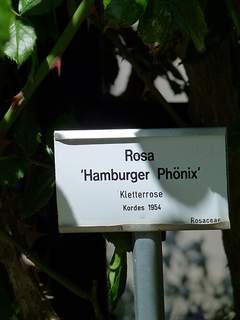
Breeder: Kordes. Year: 1954. Type: Climber. Colour: Red.
Train over a wall, arch or pergola in full sun in fertile, well-drained soil; tie in new canes as horizontally as possible, prune out old flowered wood after flowering, feed in spring and mulch in autumn. Watch for black spot in damp summers.
Breeder: Petruelka. Year: 2007. USDA zones: 5–9.
Full sun in fertile, well-drained soil; prune in late winter, feed in spring and deadhead for repeat flowering; hardy in most of the UK.
Breeder: Roses Orard. Year: 2024. Type: Shrub. Colour: Deep red. Scent: Damask-Modern. USDA zones: 6-9.
No published care record
Breeder: Poulsen. Year: 2000. Type: Patio. USDA zones: 5-9.
Full sun in a sheltered spot, good in pots and small beds; rich, well-drained compost with spring mulch; light pruning in late winter; feed in spring; deadhead for repeat flowering; protect pots from hard frost.
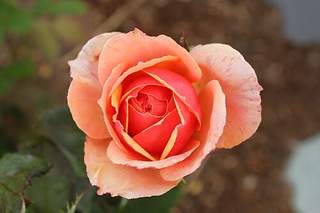
Breeder: Poulsen. Year: 1990. Type: Ground cover. Colour: White. Scent: Light. USDA zones: 5b-9b.
County series; ground-cover rose. Full sun for 6+ hours in fertile, moist but well-drained soil; mulch in spring and feed lightly. Very disease-resistant and self-cleaning in most modern ground-cover roses, so prune only lightly in late winter or early spring; hardy in most of the UK.
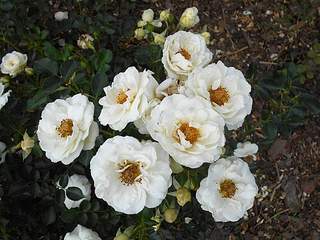
Breeder: Poulsen. Year: 1996. Type: Miniflora. Colour: White. USDA zones: 5-9.
Sunny spot in fertile, well-drained soil; water freely in growth, feed in spring, deadhead for repeat flowering; protect pots from hard frost.
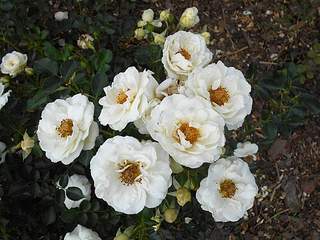
Breeder: Poulsen. Year: 2010. Type: Miniflora. Colour: White. USDA zones: 5-9.
Plant in full sun in fertile, well-drained soil; a compact miniflora for pots and small borders - prune lightly in late winter, feed in spring and deadhead for repeat flowering; mulch in cold winters.
Breeder: Keiji Kunieda. Type: Shrub. Colour: Sandy pink. USDA zones: 6-9.
Plant in full sun in fertile, free-draining soil; mulch in spring, feed with rose fertiliser, prune in late winter and deadhead for repeat flowering; good air flow helps prevent disease in the UK climate.
Breeder: Shoji Uematsu. Year: 2024. Type: Hybrid Tea. USDA zones: 6-9.
No published care record
Breeder: Keisei Rose Garden. USDA zones: 6-9.
Plant in full sun in fertile, free-draining soil; mulch in spring, feed with rose fertiliser, prune in late winter and deadhead for repeat flowering; good air flow helps prevent disease in the UK climate.
Breeder: Motohito Furuya. Year: 2025. Type: Floribunda. USDA zones: 6-9.
No published care record
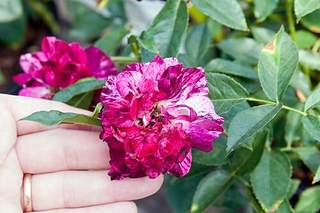
Breeder: R. Harkness. Year: 1994. Type: Miniflora. Colour: Orange-red. Scent: Light. USDA zones: 5-9.
Plant in full sun in fertile, well-drained soil; a compact miniflora for pots and small borders — prune lightly in late winter, feed in spring and deadhead for repeat flowering; mulch in cold winters.

Breeder: McGredy. Year: 1965. Type: Climbing Floribunda. Colour: Cream-pink. Scent: Mild. USDA zones: 5-9.
Needs a sunny sheltered support, fertile well-drained soil and space 45cm from a wall; train shoots horizontally for more flowers.
Breeder: Brownell Family. Type: Hybrid Tea. Colour: Brilliant red. USDA zones: 3-9.
Very hardy to sub-zero winters; full sun, fertile well-drained soil; plant graft 3 inches below soil level; feed in spring; prune in late winter; mulch
Breeder: Keiji Kunieda. Year: 2025. Type: Shrub.
Cut-flower rose, seldom grown as a garden plant; in the UK grow in a sheltered sunny spot in fertile, free-draining soil, mulch in spring, feed with rose fertiliser and prune in late winter; good air flow helps prevent disease.
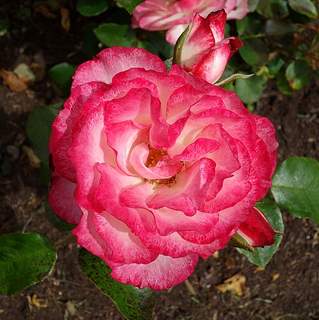
Breeder: Kordes. Year: 1983. Type: Floribunda. Colour: White, pink edges. Scent: Mild. USDA zones: 5-9.
Plant in full sun in fertile well-drained soil; prune in late winter, feed in spring, and deadhead spent clusters for repeat White, pink edges flowering. Give at least 6 hours of sun a day in fertile, humus-rich, moist but well-drained soil in a sheltered UK spot.
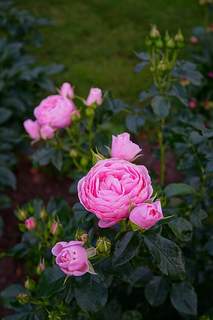
Breeder: Tantau. Type: Floribunda. USDA zones: 5-9.
Plant in full sun in fertile, well-drained soil; prune in late winter, feed in spring and deadhead spent clusters for repeat flowering, and mulch in autumn. Give good air flow and watch for black spot in damp summers.
Breeder: George Thomson. USDA zones: 5-9.
Plant in full sun in fertile, well-drained soil; feed in spring, prune in late winter, deadhead for repeat flowering and mulch in autumn; watch for black spot and mildew.
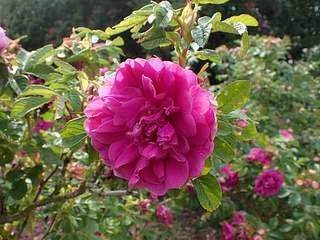
Breeder: Rugosa group. Year: 1905. Type: Shrub. Colour: Red-purple. Scent: Strong. USDA zones: 5-9.
Full sun (6+ hours) in fertile, moist but well-drained soil in a sheltered UK spot; mulch in spring, feed in spring and early summer, and water in dry spells. Prune lightly in late winter, removing dead and crossing wood, and deadhead for repeat flowering.

Breeder: Kordes. Year: 1994. Type: Shrub. Colour: Mauve. Scent: Moderate. USDA zones: 5-9.
Plant in full sun in fertile well-drained soil with room to grow; prune lightly in late winter, feed in spring, and deadhead for repeat Mauve flowering. Give at least 6 hours of sun a day in fertile, humus-rich, moist but well-drained soil in a sheltered UK spot.
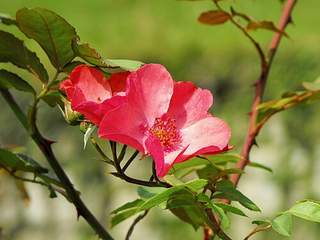
Breeder: Tantau. Type: Hybrid Tea. USDA zones: 6-9.
Plant in full sun in fertile, well-drained soil in a sheltered UK spot; prune in late winter, feed in spring, and deadhead for repeat flowering. Watch for black spot and mildew in damp summers; mulch in autumn.
Breeder: McGredy. USDA zones: 5-9.
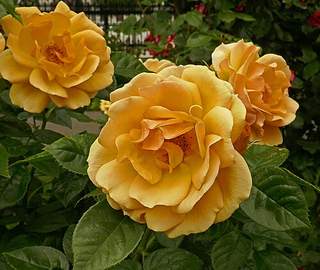
Breeder: Tantau. Year: 2010. Type: Floribunda. Colour: Apricot. Scent: Moderate. USDA zones: 5-9.
Plant in full sun in fertile well-drained soil; prune in late winter, feed in spring, and deadhead spent clusters for repeat Apricot flowering. Give at least 6 hours of sun a day in fertile, humus-rich, moist but well-drained soil in a sheltered UK spot.
Breeder: Jiang Zhengzhi. Year: 2021. Type: Climber. Colour: Apricot-peach. USDA zones: 6-9.
Plant in full sun in fertile, free-draining soil against a wall, fence or pergola; tie in growth, mulch in spring, feed with rose fertiliser and prune after flowering for once-flowering types or in late winter for repeat-flowering types; good air flow helps prevent disease in the UK climate.
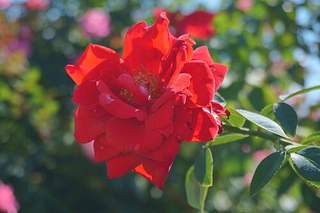
Breeder: Meilland. Type: Climber. Scent: None. USDA zones: 5-9.
Full sun on a sheltered wall or support; rich, well-drained soil with spring mulch; train and tie in new growth; prune after flowering, removing dead wood; feed in spring; watch for blackspot and mildew in damp UK summers.
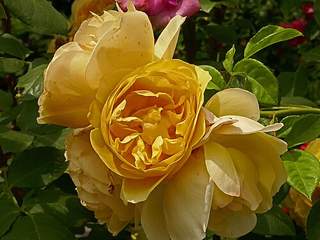
Breeder: NIRP International. Type: Hybrid Tea. Colour: Bicolour blend. USDA zones: 5-9.
A cut-flower rose bred for warm-climate production; in the UK grow under glass or in a warm sheltered sunny spot in fertile, well-drained soil, feed in spring and prune lightly - not a hardy garden rose in cold districts.
Breeder: Fryer. Type: Floribunda. Colour: Pink. Scent: Medium. USDA zones: 5-9.
Plant in full sun in fertile, humus-rich, moist but well-drained soil; mulch in late winter; feed with rose fertiliser in spring and again in early summer; prune in late winter; good air flow helps prevent disease in the UK climate.
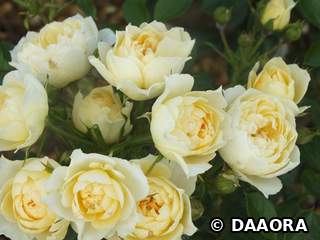
Breeder: Fryer. Year: 2015. Type: Floribunda. Colour: Pink. Scent: Moderate. USDA zones: 5-9.
Grow in a sunny, open position in well-fed soil. Water well in dry weather, aiming at the roots. Feed in spring and midsummer. Prune in late winter to keep the bush compact and open. Remove spent flower clusters. Mulch annually with garden compost.
Breeder: Fryer. Type: Floribunda. Colour: Cream. USDA zones: 5-9.
Plant in full sun in fertile, humus-rich, moist but well-drained soil; mulch in late winter; feed with rose fertiliser in spring and again in early summer; prune in late winter; good air flow helps prevent disease in the UK climate.
Breeder: Fryer. Type: Floribunda. Colour: Orange. USDA zones: 5-9.
Plant in full sun in fertile, humus-rich, moist but well-drained soil; mulch in late winter; feed with rose fertiliser in spring and again in early summer; prune in late winter; good air flow helps prevent disease in the UK climate.
Breeder: Fryer. Type: Floribunda. Colour: Pink. USDA zones: 5-9.
Plant in full sun in fertile, humus-rich, moist but well-drained soil; mulch in late winter; feed with rose fertiliser in spring and again in early summer; prune in late winter; good air flow helps prevent disease in the UK climate.
Breeder: Fryer. Type: Floribunda. Colour: Red. USDA zones: 5-9.
Plant in full sun in fertile, humus-rich, moist but well-drained soil; mulch in late winter; feed with rose fertiliser in spring and again in early summer; prune in late winter; good air flow helps prevent disease in the UK climate.
Breeder: Fryer. Type: Floribunda. Colour: White. USDA zones: 5-9.
Plant in full sun in fertile, humus-rich, moist but well-drained soil; mulch in late winter; feed with rose fertiliser in spring and again in early summer; prune in late winter; good air flow helps prevent disease in the UK climate.
Breeder: Fryer. Type: Floribunda. Colour: Yellow. USDA zones: 5-9.
Plant in full sun in fertile, humus-rich, moist but well-drained soil; mulch in late winter; feed with rose fertiliser in spring and again in early summer; prune in late winter; good air flow helps prevent disease in the UK climate.
Breeder: NIRP International. Type: Hybrid Tea. Colour: White. USDA zones: 5-9.
A cut-flower rose bred for warm-climate production; in the UK grow under glass or in a warm sheltered sunny spot in fertile, well-drained soil, feed in spring and prune lightly - not a hardy garden rose in cold districts.
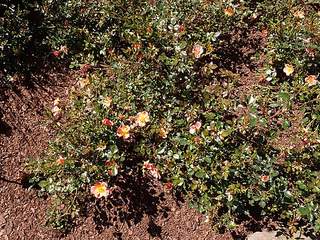
Breeder: Jackson & Perkins. Type: Groundcover. USDA zones: 5-9.
Full sun; plant for ground cover on banks or in borders; light trim after flowering; mulch to suppress weeds; generally good disease resistance.
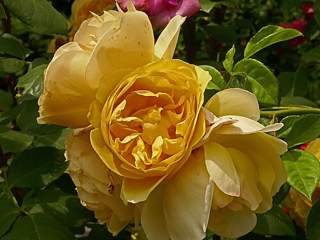
Breeder: David Austin. Year: 1993. Type: English Shrub Rose. Colour: Yellow. Scent: Moderate sweet tea. USDA zones: 5-10.
Full sun in the UK with fertile well-drained soil; a bushy almost thornless shrub, mulched in spring and pruned in late winter.
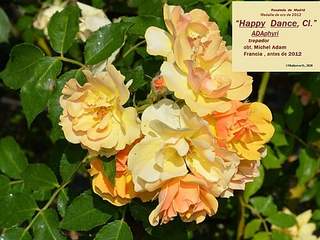
Breeder: NIRP International. Type: Climbing. USDA zones: 5-9.
Plant in full sun in fertile, humus-rich, moist but well-drained soil; train stems onto a support; mulch in late winter; feed with rose fertiliser in spring and again in early summer; prune in late winter; good air flow helps prevent disease in the UK climate.
Breeder: Harkness. Year: 2005. Type: Shrub. Colour: Pink. Scent: Moderate. USDA zones: 5-9.
A shrub rose for a sunny or lightly shaded border in rich, moisture-retentive soil. Feed in spring and mulch to keep roots cool and moist. Light pruning after flowering or in late winter; remove crossing stems. Water well while establishing. Generally hardy and disease-resistant in UK gardens.
Breeder: Dickson. USDA zones: 5-9.
Breeder: Tom Carruth. Type: Grandiflora. Colour: Yellow. Scent: Mild. USDA zones: 5-9.
Full sun in a sheltered spot; rich, well-drained soil with spring mulch; prune in late winter, keeping a tall framework; feed in spring and after the first flush; watch for blackspot and mildew in damp UK summers.

Breeder: Fryer. Year: 2015. Type: Floribunda. Colour: Yellow. Scent: Moderate. USDA zones: 5-9.
Plant in full sun in fertile, well-drained soil. Feed in spring and midsummer; water in dry spells. Deadhead clusters to keep flowers coming. Prune lightly in late winter, shaping the bush and removing dead wood. Mulch in spring. Generally disease-resistant, but watch for black spot in wet seasons.
Breeder: Spek. Type: Hybrid Tea. Colour: Yellow / pink blend. USDA zones: 6-9.
Plant in full sun in fertile, humus-rich, moist but well-drained soil; mulch in late winter; feed with rose fertiliser in spring and again in early summer; prune in late winter; good air flow helps prevent disease in the UK climate.
Breeder: De Ruiter. Type: Hybrid Tea. USDA zones: 5-9.
Plant in full sun in fertile, well-drained soil in a sheltered UK spot; prune in late winter, feed in spring and deadhead for repeat flowering, and mulch in autumn, protecting the graft union in colder areas. Give good air flow and watch for black spot and mildew in damp summers.
Breeder: Tantau. Type: Hybrid Tea. Colour: Pink-red. USDA zones: 6-9.
Plant in full sun in fertile, well-drained soil in a sheltered UK spot; prune in late winter, feed in spring, and deadhead for repeat flowering. Watch for black spot and mildew in damp summers; mulch in autumn.
Breeder: Fryer. Year: 2015. Type: Floribunda. Colour: Yellow. Scent: Moderate. USDA zones: 5-9.
Loves sun and rich soil with good drainage. Add compost at planting and mulch each spring. Feed with rose food in spring and again in July. Light pruning in February, removing weak stems. Deadhead faded clusters for repeat bloom. Good air flow helps keep mildew away.
Breeder: NIRP International. Type: Spray rose.
Cut-flower rose bred for warm-climate greenhouse production (Kenya, Ecuador and Colombia); not a hardy UK garden rose — in the UK grow under glass or enjoy as cut florist roses; do not expect outdoor hardiness.

Breeder: Fryer. Year: 2015. Type: Floribunda. Colour: Red. Scent: Moderate. USDA zones: 5-9.
Grow in a sunny, open position in well-fed soil. Water well in dry weather, aiming at the roots. Feed in spring and midsummer. Prune in late winter to keep the bush compact and open. Remove spent flower clusters. Mulch annually with garden compost.

Breeder: Fryer. Year: 2013. Type: Floribunda. Colour: Pale pink-white. Scent: Light. USDA zones: 6b-9b.
Substitute for Silver Anniversary (Meilland, not Fryer). Full sun and fertile, well-drained soil; deadhead and feed in spring for repeat flowering.
Breeder: de Ruiter. Year: Unknown. Type: Patio. Colour: Pink. Scent: Light. USDA zones: 6b-9b.
Plant in full sun in a border or large pot in fertile, free-draining soil or compost; deadhead regularly, feed through the season and water pots in dry spells.
Breeder: P. Chessum. Year: 1995. Type: Miniflora. Colour: Medium pink. USDA zones: 5-9.
Plant in full sun in fertile, well-drained soil; a compact miniflora for pots and small borders — prune lightly in late winter, feed in spring and deadhead for repeat flowering; mulch in cold winters.
Breeder: Dr. Keith W. Zary. Year: 1992. Type: Miniature. Colour: Pink blend. Scent: Mild. USDA zones: 6b-9.
Grow in full sun in fertile, well-drained soil or a pot with good drainage; prune lightly in late winter, feed in spring, deadhead for repeat flowering and protect pots from hard frost.

Breeder: McGredy. USDA zones: 5-9.
Breeder: Interplant. Year: 2025. Type: Spray Rose. USDA zones: 5-9.
Plant in full sun in fertile, humus-rich, moist but well-drained soil; mulch in late winter; feed with rose fertiliser in spring and again in early summer; prune in late winter and deadhead for repeat flowering; good air flow helps prevent disease in the UK climate.

Breeder: Delbard. Year: 2005. Type: Hybrid Tea. Colour: Pink. Scent: Moderate. USDA zones: 5-9.
Plant in full sun in rich, well-drained soil with plenty of organic matter. Feed in spring and again in midsummer; water well in dry spells. Prune hard in late winter, cutting back to 3-5 buds. Deadhead spent blooms to encourage repeat flowering. Spray for black spot and mildew in damp UK summers; mulch in autumn.
Breeder: Alister Clark. Year: 1923. Type: Hybrid Gigantea. Colour: Light pink. USDA zones: 7-10.
A vigorous Australian Hybrid Gigantea for a large sunny, sheltered wall or pergola in rich, well-drained soil; bred for hot, dry Australia, so give it the warmest UK spot, winter mulch in colder areas, feed in spring and prune after its long flowering season.
Breeder: NIRP International. Type: Hybrid Tea. Colour: Orange-pink. USDA zones: 5-9.
Plant in full sun in fertile, humus-rich, moist but well-drained soil; mulch in late winter; feed with rose fertiliser in spring and again in early summer; prune in late winter and deadhead for repeat flowering; good air flow helps prevent disease in the UK climate.
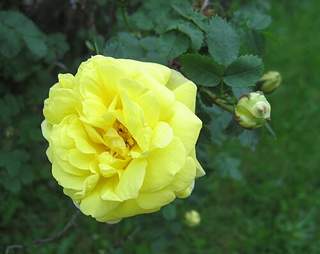
Breeder: Unknown. Year: 1830. Type: Species. Colour: Yellow. Scent: Moderate. USDA zones: 3-9.
Species rose. Very hardy and tough; full sun or light shade in well-drained soil, tolerating poor soil. Needs little pruning - remove dead wood after flowering; leave hips for wildlife and autumn colour.

Breeder: Kordes. Year: 1986. Type: Climber. Colour: Cream, red edges. Scent: Mild. USDA zones: 5-9.
Train on a wall, arch, pergola or fence in full sun in fertile well-drained soil; tie in new canes, prune after flowering (ramblers) or lightly in late winter (repeat climbers), and deadhead for repeat Cream, red edges blooms. Give at least 6 hours of sun a day in fertile, humus-rich, moist but well-drained soil in a sheltered UK spot.
Breeder: NIRP International. Type: Hybrid Tea. Colour: Pink. USDA zones: 5-9.
A cut-flower rose bred for warm-climate production; in the UK grow under glass or in a warm sheltered sunny spot in fertile, well-drained soil, feed in spring and prune lightly - not a hardy garden rose in cold districts.
Breeder: Louis Lens. Year: 1989. Type: Shrub. Colour: Pink. Scent: Moderate. USDA zones: 5-9.
Plant in full sun or light shade in fertile, well-drained soil. Feed in spring; mulch with compost or well-rotted manure. Water in dry spells, especially in the first year. Prune lightly in late winter, removing dead and weak wood and shaping the bush. Deadhead for repeat flowering. Tolerates a range of UK soils.
Breeder: David Austin. Year: 2004. Type: English Shrub Rose. Colour: Pure rose-pink. Scent: Strong Old Rose. USDA zones: 5-11.
Needs 6+ hours of sun in fertile moist but well-drained soil with mulch; water well in dry spells, prune in late winter/early spring by about a third, and watch for black spot and mildew. Fully frost-hardy in the UK; very disease-resistant.
Breeder: Harmon Saville. Type: Mini-Flora. Colour: Dark red. Scent: Mild. USDA zones: 5-9.
Full sun in a sheltered spot, or in a large pot; rich, well-drained soil or compost with spring mulch; light pruning in late winter; feed little and often in the growing season; deadhead regularly; protect pots from hard frost; watch for blackspot and mildew in damp UK summers.
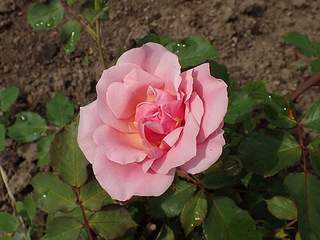
Breeder: Kordes. Year: 1981. Type: Hybrid Tea. Colour: Orange-pink. Scent: Moderate. USDA zones: 5-9.
Plant in full sun in fertile well-drained soil; prune in late winter, feed in spring, and deadhead for repeat Orange-pink blooms. Give at least 6 hours of sun a day in fertile, humus-rich, moist but well-drained soil in a sheltered UK spot.
Breeder: Schreurs. Type: Garden rose. Colour: Bright pink. USDA zones: 5-9.
Plant in full sun in fertile, humus-rich, moist but well-drained soil; mulch in late winter; feed with rose fertiliser in spring and again in early summer; prune in late winter; good air flow helps prevent disease in the UK climate.
Breeder: Takunori Kimura. Year: 2014. Colour: Yellow. USDA zones: 6-9.
Bred for Japan's hot, humid summers; in the UK give full sun in fertile, free-draining soil in a sheltered spot, mulch in spring, feed with rose fertiliser, prune in late winter and deadhead for repeat flowering; good air flow helps prevent disease.
Breeder: McGredy. USDA zones: 5-9.
Breeder: Poulsen. Type: Floribunda. USDA zones: 5-9.
Plant in full sun in fertile, well-drained soil; feed in spring, mulch, deadhead regularly for repeat flowering, prune lightly in spring, and watch for blackspot in wet UK summers.
Breeder: Dickson. Year: 1907. USDA zones: 5-9.
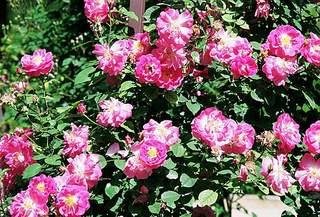
Breeder: Kordes. Year: 1939. Type: Shrub. Colour: Crimson-violet, white centre. Scent: Moderate. USDA zones: 5-9.
Plant in full sun in fertile well-drained soil with room to grow; prune lightly in late winter, feed in spring, and deadhead for repeat Crimson-violet, white centre flowering. Give at least 6 hours of sun a day in fertile, humus-rich, moist but well-drained soil in a sheltered UK spot.
Breeder: Harkness. Year: 1989. Type: Floribunda. Colour: Yellow. Scent: Moderate. USDA zones: 5-9.
Plant in full sun in fertile, well-drained soil. Feed in spring and midsummer; water in dry spells. Deadhead clusters to keep flowers coming. Prune lightly in late winter, shaping the bush and removing dead wood. Mulch in spring. Generally disease-resistant, but watch for black spot in wet seasons.
Breeder: Seizo Suzuki. USDA zones: 6-9.
Breeder: Dickson. Year: 1990. Type: Floribunda. Colour: Yellow. Scent: Mild. USDA zones: 5-9.
Full sun, fertile moist well-drained soil; feed in spring and again in early summer, and deadhead regularly.
Breeder: Dr B. P. Pal. Type: Hybrid Tea. USDA zones: 7-9.
Plant in full sun in a warm, sheltered spot in fertile, free-draining soil; mulch in spring, feed with rose fertiliser, prune lightly in late winter and deadhead for repeat flowering; protect from hard frost in colder UK areas, as warm-climate roses are less hardy in the UK.
Breeder: McGredy. Year: 1963. USDA zones: 5-9.
Breeder: Ketten Frères. Year: 1897. Type: Tea. Colour: Yellow shaded with peach-pink, reddish centre. Scent: Fragrant.
Needs a warm, sheltered, sunny spot in the UK; fertile well-drained soil; protect from hard frost; prune lightly in spring; best in southern England or against a sheltered wall.
Breeder: Lambert. Year: 1911. Type: Hybrid Tea. Colour: Pink. Scent: Light. USDA zones: 5b-9b.
Full sun for 6+ hours in fertile, moist but well-drained soil; mulch in late winter and feed in spring and early summer. Prune in late winter or early spring, deadhead for repeat flowering, and watch for black spot and mildew; hardy in most of the UK, mound mulch over the graft in colder areas.
Breeder: Geschwind. Year: 1890. Type: Hybrid Perpetual. Colour: Pink. Scent: Light. USDA zones: 5b-9b.
Now lost or out of commerce; no reliable modern UK care record survives for this rose, so no specific thrive advice can be given – do not invent care details for it.
Breeder: McGredy. Year: 1990. Type: Miniature. Colour: Yellow. Scent: Mild. USDA zones: 5-9.
Plant in full sun in fertile well-drained soil or a pot with good drainage; feed in spring, deadhead for repeat flowering and protect from hard frost in colder UK areas.
Breeder: William A. Warriner. Year: 1987. Type: Hybrid Tea. Colour: Deep pink. Scent: Mild. USDA zones: 6b-9.
Plant in full sun in fertile, well-drained soil in a sheltered UK spot; prune in late winter, feed in spring and deadhead for repeat flowering, and mulch in autumn, protecting the graft union in colder areas. Give good air flow and watch for black spot and mildew in damp summers.
Breeder: Pemberton. Year: 1920. Type: Rambler. USDA zones: 5-9.
Breeder: Jan Böhm. Year: 1935. USDA zones: 5–9.
Full sun in fertile, well-drained soil; prune in late winter, feed in spring and deadhead for repeat flowering; hardy in most of the UK.
Breeder: Harkness. Year: 1976. Type: Floribunda. USDA zones: 5-9.
Plant in full sun in fertile, well-drained soil; feed in spring, mulch, deadhead regularly for repeat flowering, prune lightly in spring, and watch for blackspot in wet UK summers.
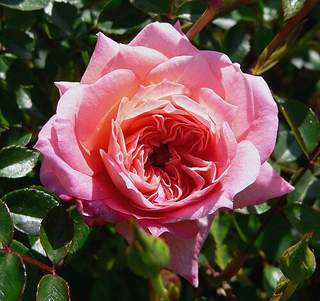
Breeder: Eugene S. Boerner. Year: 1958. Type: Hybrid Tea. Colour: Orange - coral. USDA zones: 7b-10b.
Plant in full sun in fertile, well-drained soil in a sheltered UK spot; prune in late winter, feed in spring and deadhead for repeat flowering, and mulch in autumn, protecting the graft union in colder areas. Give good air flow and watch for black spot and mildew in damp summers.
Breeder: Dave Bang. Year: 2015. Type: Miniature. Colour: Apricot-yellow. Scent: Mild. USDA zones: 5-9.
Full sun in a sheltered spot, or in a large pot; rich, well-drained soil or compost with spring mulch; light pruning in late winter; feed little and often in the growing season; deadhead regularly; protect pots from hard frost; watch for blackspot and mildew in damp UK summers.
Breeder: Griffith Buck. Year: 1975. Type: Shrub. Colour: Ivory-white with pink blush. Scent: Strong. USDA zones: 4-9.
Full sun in rich well-drained soil; mulch in spring and deadhead for repeat flowering, pruning lightly in late winter.
Breeder: Dickson. Year: 1920. USDA zones: 5-9.
Breeder: Dickson. Year: 1920. USDA zones: 5-9.
Breeder: Rob Somerfield. USDA zones: 6-9.
Plant in full sun in fertile, free-draining soil; mulch in spring, feed with rose fertiliser, prune in late winter and deadhead for repeat flowering; good air flow helps prevent disease in the UK climate.
Breeder: G. Mander. Year: 2008. Type: Miniflora. Colour: Pink blend. USDA zones: 5-9.
Plant in full sun in fertile, well-drained soil; a compact miniflora for pots and small borders — prune lightly in late winter, feed in spring and deadhead for repeat flowering; mulch in cold winters.
Breeder: Percy Wright. Type: Shrub. Colour: Yellow. USDA zones: 2-9.
Plant in full sun in fertile, well-drained soil; extremely hardy with no winter protection needed in most of the UK; prune out dead wood in spring, feed in spring and deadhead for repeat flowering.
Breeder: Sakuji Kokubo. Year: 2021. Type: Shrub. Colour: Lemon yellow. Scent: Tea. USDA zones: 5-9.
Full sun; fertile well-drained soil; water and feed through the growing season; mulch in spring; prune in late winter/early spring; deadhead to encourage repeat flowering.
Breeder: Dave Bang. Year: 2015. Type: Miniature. Colour: Orange. Scent: Mild. USDA zones: 5-9.
Full sun in a sheltered spot, or in a large pot; rich, well-drained soil or compost with spring mulch; light pruning in late winter; feed little and often in the growing season; deadhead regularly; protect pots from hard frost; watch for blackspot and mildew in damp UK summers.
Breeder: Bailey. Year: 2012. Type: Shrub. Colour: Pink. Scent: Mild. USDA zones: 4-9.
Full sun (6+ hours) in fertile, moist but well-drained soil in a sheltered UK spot; mulch in spring, feed in spring and early summer, and water in dry spells. Prune lightly in late winter, removing dead and crossing wood, and deadhead for repeat flowering.
Breeder: George Dawson. Year: 1970. Type: Hybrid Tea. Colour: Yellow blend. USDA zones: 5-9.
Plant in full sun in fertile, well-drained soil in a sheltered UK spot; feed in spring, mulch, deadhead regularly, prune in late winter or early spring, and watch for blackspot in wet summers.
Breeder: William A. Warriner. Year: 1980. Type: Hybrid Tea. Colour: Pink blend. Scent: Mild. USDA zones: 7b-10b.
Plant in full sun in fertile, well-drained soil in a sheltered UK spot; prune in late winter, feed in spring and deadhead for repeat flowering, and mulch in autumn, protecting the graft union in colder areas. Give good air flow and watch for black spot and mildew in damp summers.
Breeder: Komatsu Garden. Year: 2018. Type: Shrub. USDA zones: 5-9.
Full sun; fertile well-drained soil; water and feed through the growing season; mulch in spring; prune in late winter/early spring; deadhead to encourage repeat flowering.
Type: Miniflora. USDA zones: 5-9.
Plant in full sun in fertile, well-drained soil; a compact miniflora for pots and small borders — prune lightly in late winter, feed in spring and deadhead for repeat flowering; mulch in cold winters.
Breeder: Orard. Year: 2001. Type: Shrub. Colour: White with red edges. Scent: Light. USDA zones: 6b-9b.
Plant in full sun in fertile, well-drained soil with room to bush out; prune lightly in spring to shape, feed in spring, mulch annually and deadhead for repeat flowering. Tamango x Iceberg; US Plant Patent 14,500.
Breeder: Dr. A. Michael Dykstra. Year: 1997. Type: Grandiflora. Colour: Yellow, pink edges. USDA zones: 7b-10b.
Plant in full sun in fertile, well-drained soil in a sheltered UK spot; prune in late winter, feed in spring and deadhead for repeat flowering, and mulch in autumn. Tall stems benefit from a sheltered position out of strong wind.
Breeder: Dave Bang. Type: Floribunda. Colour: Yellow and orange edged pink. USDA zones: 5-9.
Plant in full sun in fertile, free-draining soil; mulch in spring, feed with rose fertiliser, prune in late winter and deadhead for repeat flowering; good air flow helps prevent disease in the UK climate.
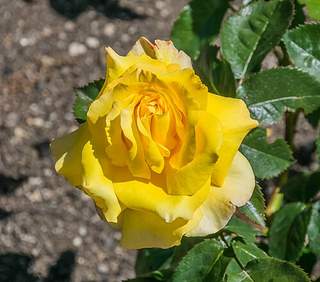
Breeder: Anne G. Cocker. Year: 2001. Type: Hybrid Tea. Colour: Apricot. Scent: Moderate. USDA zones: 5-9.
Plant in full sun in fertile, well-drained soil in a sheltered UK spot; prune in late winter, feed in spring and deadhead for repeat flowering, and mulch in autumn, protecting the graft union in colder areas. Give good air flow and watch for black spot and mildew in damp summers.
Breeder: Sarah Raven. Type: Floribunda. Colour: Dark red-purple. Scent: Fragrant. USDA zones: 5-9.
Plant in full sun in fertile, humus-rich, moist but well-drained soil; mulch in late winter; feed with rose fertiliser in spring and again in early summer; prune in late winter; good air flow helps prevent disease in the UK climate.

Breeder: Swim. Year: 1948. Type: Hybrid Tea. Colour: Deep red. Scent: Strong. USDA zones: 5-9.
Plant in full sun in fertile well-drained soil; feed in spring, deadhead for repeat flowering and prune in late winter, with good air flow to limit blackspot in damp UK summers.
Breeder: Tom Carruth. Year: 1989. Type: Miniature. Colour: Pink blend. Scent: Mild. USDA zones: 5-9.
Plant in full sun in fertile well-drained soil or a pot with good drainage; feed in spring, deadhead for repeat flowering and protect from hard frost in colder UK areas.
Breeder: G. King. Year: 1985. Type: Miniflora. Colour: Orange blend. USDA zones: 5-9.
Plant in full sun in fertile, well-drained soil; a compact miniflora for pots and small borders — prune lightly in late winter, feed in spring and deadhead for repeat flowering; mulch in cold winters.
Breeder: Spek. Year: 2004. Type: Hybrid Tea. Colour: Red. USDA zones: 6-9.
Plant in full sun in fertile well-drained soil in a sheltered spot; feed in spring, water in dry spells and mulch in autumn, as this florist-bred rose needs warmth to flower well in the UK.
Breeder: Swim. Year: 1958. Type: Hybrid Tea. Colour: Orange-red. Scent: Moderate. USDA zones: 5-9.
Plant in full sun in fertile well-drained soil; feed in spring, deadhead for repeat flowering and prune in late winter, with good air flow to limit blackspot in damp UK summers.
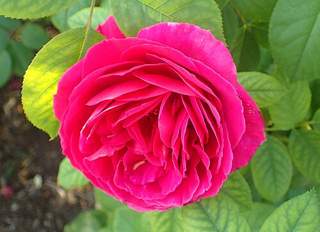
Breeder: David Austin. Year: 2012. Type: English Shrub Rose. Colour: Crimson. Scent: Moderate. USDA zones: 5-10.
Full sun in the UK with fertile free-draining soil; mulch in spring, water in dry spells while establishing, and prune in late winter.
Breeder: Bill Allender. Year: 1982. USDA zones: 6-9.
Plant in full sun in fertile, humus-rich, moist but well-drained soil; mulch in late winter; feed with rose fertiliser in spring and again in early summer; prune in late winter; good air flow helps prevent disease in the UK climate.
Breeder: R. Watson. Year: 1968. USDA zones: 5-9.
Breeder: Tom Carruth. Year: 2008. Type: Floribunda.
Plant in full sun in fertile, well-drained soil; prune in late winter, feed in spring and deadhead spent clusters for repeat flowering, and mulch in autumn. Give good air flow and watch for black spot in damp summers.
Breeder: James Sproul. Year: 2004. Type: Miniature. Colour: Medium pink. Scent: None. USDA zones: 5-9.
Plant in full sun in fertile, well-drained soil; a compact miniature for pots and small borders — prune lightly in late winter, feed in spring and deadhead for repeat flowering; mulch in cold winters.
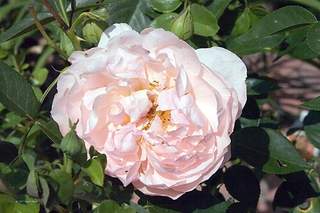
Breeder: William A. Warriner. Year: 1990. Type: Hybrid Tea. Colour: White or white blend. Scent: Strong. USDA zones: 6b-9b.
Plant in full sun in fertile, well-drained soil in a sheltered UK spot; prune in late winter, feed in spring and deadhead for repeat flowering, and mulch in autumn, protecting the graft union in colder areas. Give good air flow and watch for black spot and mildew in damp summers.
Breeder: Bob Matthews. Scent: Strong. USDA zones: 6-9.
Plant in full sun in fertile well-drained soil in a sheltered UK spot; feed in spring and deadhead for repeat flowering; mulch in autumn as it prefers warmer gardens.
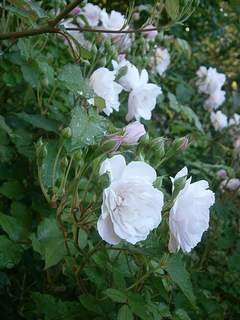
Breeder: Dave Bang. Year: 2015. Type: Floribunda. Colour: Pink. USDA zones: 5-9.
Plant in full sun in fertile, free-draining soil; mulch in spring, feed with rose fertiliser, prune in late winter and deadhead for repeat flowering; good air flow helps prevent disease in the UK climate.
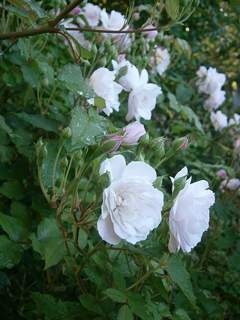
Breeder: Louis Lens. Year: 1997. Type: Hybrid Musk. Colour: Pink. Scent: Moderate. USDA zones: 5-9.
Plant in full sun or light shade in fertile well-drained soil; give it space to arch and feed in spring for masses of small pink flowers.
Breeder: David Austin. Year: 1995. Type: English Shrub Rose. Colour: Pink. Scent: Strong. USDA zones: 5-9.
Plant in full sun or light shade in fertile, well-drained soil. Feed in spring; mulch with compost or well-rotted manure. Water in dry spells, especially in the first year. Prune lightly in late winter, removing dead and weak wood and shaping the bush. Deadhead for repeat flowering. Tolerates a range of UK soils.
Breeder: Tom Carruth. Year: 2016. Type: Hybrid Tea. Colour: Pink. Scent: Strong. USDA zones: 5-9.
Plant in full sun in fertile, well-drained soil in a sheltered UK spot; prune in late winter, feed in spring and deadhead for repeat flowering, and mulch in autumn, protecting the graft union in colder areas. Give good air flow and watch for black spot and mildew in damp summers.
Breeder: R. Webster. Year: 2003. Type: Miniflora. Colour: Red blend. USDA zones: 5-9.
Plant in full sun in fertile, well-drained soil; a compact miniflora for pots and small borders — prune lightly in late winter, feed in spring and deadhead for repeat flowering; mulch in cold winters.
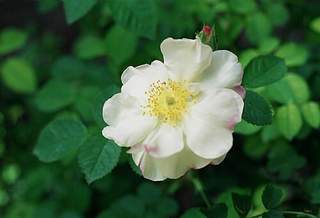
Breeder: Dickson. USDA zones: 5-9.

Breeder: Kordes. Year: 1983. Type: Floribunda. Colour: Red. Scent: Mild. USDA zones: 5-9.
Plant in full sun in fertile well-drained soil; prune in late winter, feed in spring, and deadhead spent clusters for repeat Red flowering. Give at least 6 hours of sun a day in fertile, humus-rich, moist but well-drained soil in a sheltered UK spot.
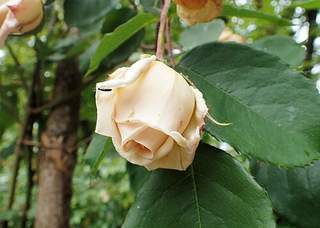
Breeder: Takunori Kimura. Year: 2014. Colour: Peach-pink blush. USDA zones: 6-9.
Bred for Japan's hot, humid summers; in the UK give full sun in fertile, free-draining soil in a sheltered spot, mulch in spring, feed with rose fertiliser, prune in late winter and deadhead for repeat flowering; good air flow helps prevent disease.
Breeder: McGredy. Year: 1938. Type: Hybrid Tea. Colour: Orange flushed pink. Scent: Fragrant. USDA zones: 5-9.
Plant in full sun in fertile well-drained soil; prune in late winter and feed in spring, and deadhead for repeat flowering; give good air flow to help prevent disease in the UK climate.
Breeder: W. Kordes. Year: 1983. Type: Miniflora. Colour: Medium red. USDA zones: 5-9.
Plant in full sun in fertile, well-drained soil; a compact miniflora for pots and small borders — prune lightly in late winter, feed in spring and deadhead for repeat flowering; mulch in cold winters.
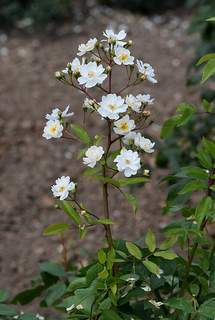
Breeder: Louis Lens. Year: 2001. Type: Hybrid Musk. Scent: Moderate. USDA zones: 6-9.
Plant in full sun or light shade in fertile, well-drained soil; prune lightly after flowering, feed in spring and mulch in autumn. Give good air flow and watch for black spot in damp summers.
Breeder: Wilhelm Hinner. Year: 1912. Type: Hybrid Tea. Colour: Cream white. Scent: Fragrant. USDA zones: 5–9.
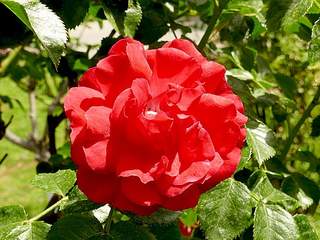
Breeder: Noack. Year: 1986. Type: Ground cover. Scent: None. USDA zones: 4-9.
Full sun; well-drained soil with spring mulch; trim lightly in late winter to keep shape; feed in spring; very low maintenance; watch for blackspot in damp UK summers.
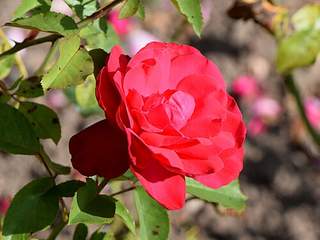
Breeder: Kordes. Year: 1959. Type: Hybrid Tea. Colour: Carmine-red. Scent: Mild. USDA zones: 5-9.
Plant in full sun in fertile well-drained soil; prune in late winter, feed in spring, and deadhead for repeat Carmine-red blooms. Give at least 6 hours of sun a day in fertile, humus-rich, moist but well-drained soil in a sheltered UK spot.
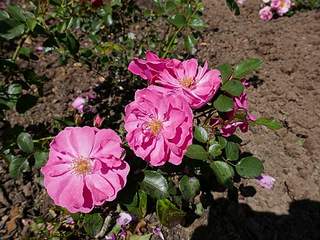
Breeder: Kordes. Year: 1991. Type: Floribunda. Colour: Mauve. Scent: Moderate. USDA zones: 5-9.
Plant in full sun in fertile well-drained soil; prune in late winter, feed in spring, and deadhead spent clusters for repeat Mauve flowering. Give at least 6 hours of sun a day in fertile, humus-rich, moist but well-drained soil in a sheltered UK spot.
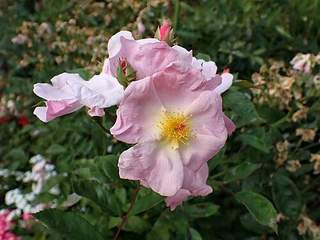
Breeder: Peter Lambert. Year: 1932. Type: Multiflora Hybrid Climber. Colour: Salmon-pink. USDA zones: 5-9.
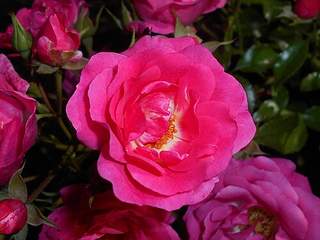
Breeder: Noack. Year: 1988. Type: Shrub. Colour: Pink. Scent: Moderate. USDA zones: 4-9.
Full sun or light shade; rich, well-drained soil with spring mulch; light pruning in late winter, removing dead and crossing wood; feed in spring; deadhead lightly; watch for blackspot in damp UK summers.
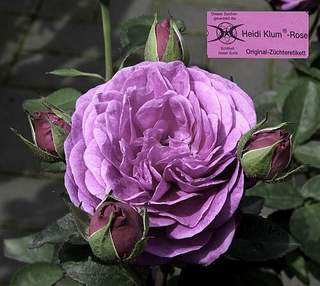
Breeder: Jack E. Christensen. Year: 1978. Type: Miniature. Colour: Medium pink. USDA zones: 5-9.
Plant in full sun in fertile, free-draining soil, in a pot or at the front of a border; mulch in spring, feed with rose fertiliser, prune lightly in late winter and deadhead for repeat flowering; good air flow helps prevent disease in the UK climate.
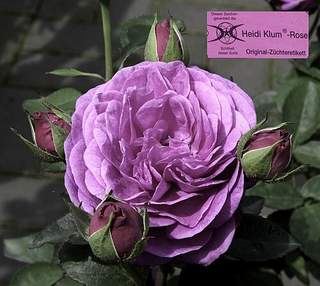
Breeder: Evers. Year: 2005. Type: Floribunda. Colour: Pink. Scent: Light. USDA zones: 5b-9b.
Also sold as Heidi Klum Rose; patio floribunda. Full sun for 6+ hours in fertile, moist but well-drained soil; mulch in spring and feed for its heavy flowering, watering in dry spells. Prune lightly in late winter or early spring and deadhead regularly; good disease resistance in most modern floribundas, but still watch for black spot; hardy in most of the UK.
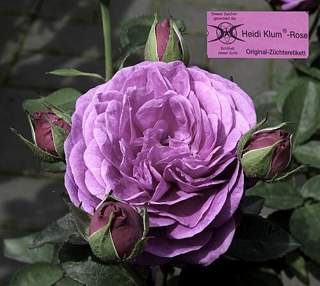
Breeder: Tantau. Year: 2005. Type: Floribunda. Colour: Pink-violet. Scent: Strong. USDA zones: 5-9.
Substituted for Gartenspaß, which is Kordes not Tantau. Full sun and rich, well-drained soil; deadhead for repeat flowering and prune lightly in late winter.
Breeder: Jack E. Christensen. Year: 1978. Type: Miniature. Colour: Mid-pink. USDA zones: 5-9.
Plant in full sun in fertile, free-draining soil, in a pot or at the front of a border; mulch in spring, feed with rose fertiliser, prune lightly in late winter and deadhead for repeat flowering; good air flow helps prevent disease in the UK climate.
Breeder: R. Poulsen. Year: 2006. Type: Miniflora. Colour: Medium pink. Scent: Light. USDA zones: 5-9.
Plant in full sun in fertile, well-drained soil; a compact miniflora for pots and small borders — prune lightly in late winter, feed in spring and deadhead for repeat flowering; mulch in cold winters.
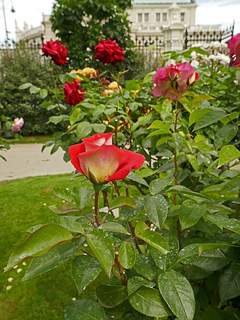
Breeder: Tantau. Type: Floribunda. USDA zones: 5-9.
Plant in full sun in fertile, well-drained soil; prune in late winter, feed in spring, and deadhead spent blooms for repeat flowering. Give good air flow and watch for black spot in damp UK summers; mulch in autumn.
Breeder: Lambert. Year: 1912. Type: Multiflora hybrid. Colour: White. USDA zones: 4-9.
Breeder: Peter Lambert. Year: 1919. Type: Multiflora Hybrid. Colour: Deep pink. USDA zones: 4-9.
Breeder: Wilhelm Hinner. Year: 1911. Type: Hybrid Perpetual. Colour: Light pink. Scent: No fragrance. USDA zones: 5–9.
Breeder: Delbard. Year: 2005. Type: Hybrid Tea. Colour: Pink. Scent: Moderate. USDA zones: 5-9.
Needs a sunny, sheltered spot and fertile, moisture-retentive but well-drained soil. Feed with rose fertiliser in spring and July. Water at the base, not overhead, in dry weather. Prune in February-March to an outward-facing bud. Remove faded flowers promptly. Watch for aphids and black spot; improve air circulation around the plant.
Breeder: Kordes. Year: 1983. Type: Floribunda. Colour: Bright crimson. Scent: Mild. USDA zones: 5-9.
Plant in full sun in fertile well-drained soil; prune in late winter, feed in spring, and deadhead spent clusters for repeat Bright crimson flowering. Give at least 6 hours of sun a day in fertile, humus-rich, moist but well-drained soil in a sheltered UK spot.

Breeder: Kordes. Year: 2008. Type: Groundcover. Colour: Pink. Scent: Mild. USDA zones: 5-9.
Full sun in free-draining fertile soil; a very disease-resistant groundcover for borders, slopes and containers in the UK. Needs only spring mulch and a light trim, with good air flow in damp summers.

Breeder: Kordes. Year: 1983. Type: Floribunda. Colour: Bright crimson.
Plant in full sun (6+ hours) in fertile, well-drained soil; prune lightly in late winter, feed in spring, deadhead spent clusters for repeat flowering and mulch in autumn. Give good air flow and watch for black spot in damp summers.
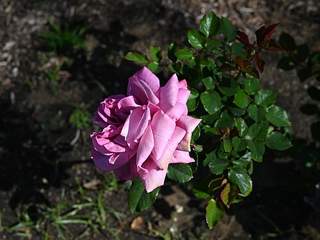
Breeder: William Warriner. Year: 1972. Type: Hybrid Tea. Colour: Mauve-pink. Scent: Strong. USDA zones: 5-9.
Plant in a sunny, sheltered bed in rich, moist, well-drained soil. Prune in late winter, feed in spring and deadhead for repeat flowering; mulch in autumn.
Breeder: Hermann Kiese. Year: 1919. USDA zones: 5–9.
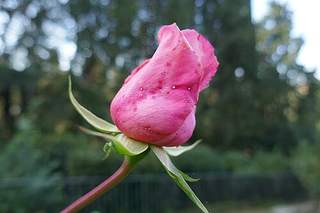
Breeder: Takunori Kimura. Year: Before 2015. Type: Shrub. Colour: Light pink. Scent: Damask Classic. USDA zones: 6-9.
Bred for Japan's hot, humid summers; in the UK give full sun in fertile, free-draining soil in a sheltered spot, mulch in spring, feed with rose fertiliser, prune in late winter and deadhead for repeat flowering; good air flow helps prevent disease.
Breeder: Percy Wright. Type: Shrub. Colour: Pink. USDA zones: 2-9.
Breeder: Jack E. Christensen. Year: 1982. Type: Miniature. Colour: Light pink. USDA zones: 5-9.
Plant in full sun in fertile, free-draining soil, in a pot or at the front of a border; mulch in spring, feed with rose fertiliser, prune lightly in late winter and deadhead for repeat flowering; good air flow helps prevent disease in the UK climate.
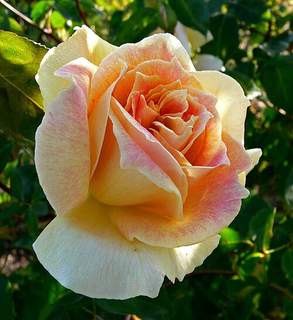
Breeder: Brownell. Type: Hybrid Tea. Colour: Yellow to orange to pink. USDA zones: 4-9.
Very hardy. Plant in full sun in fertile, free-draining soil; mulch in spring, feed with rose fertiliser, prune lightly in late winter and deadhead for repeat flowering; good air flow helps prevent disease in the UK climate.
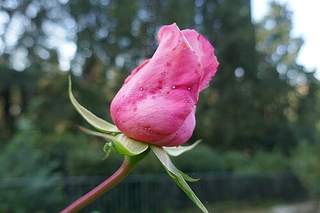
Breeder: Dickson. Year: 1895. USDA zones: 5-9.
Breeder: Kordes. Year: 1996. Type: Hybrid Tea. Scent: None. USDA zones: 7-9.
Plant in full sun (6+ hours) in fertile, well-drained soil in a sheltered UK spot; prune in late winter to outward-facing buds, feed in spring, deadhead for repeat flowering and mulch in autumn. Give good air flow and watch for black spot and mildew in damp summers.
Breeder: Poulsen. Year: 2001. Type: Miniature. Colour: Pink. Scent: Mild. USDA zones: 5b-9b.
Parade series miniature; grow in a pot or front of border. Full sun for 6+ hours in fertile, moist but well-drained soil, in a pot or at the front of a border; mulch and feed lightly in spring. Prune lightly in late winter or early spring and deadhead regularly; protect pots from hard frost in colder UK areas.
Breeder: Swim. Year: 1951. Type: Hybrid Tea. Colour: Pink-apricot. Scent: Strong. USDA zones: 5-9.
Substitutes for Voodoo (Christensen, not Swim). Full sun, rich well-drained soil; prune in late winter and mulch in spring.
Breeder: Dickson. Year: 1907. USDA zones: 5-9.
Breeder: Poulsen. Type: Shrub. Colour: Pink. Scent: Mild. USDA zones: 5-9.
Plant in full sun in fertile, well-drained soil; this hardy shrub needs little winter protection in most of the UK - mulch in autumn, prune lightly in late winter, feed in spring and deadhead for repeat flowering.
Breeder: Poulsen. Year: 2000. Type: Shrub. Colour: Pink. Scent: Strong. USDA zones: 5b-9b.
Renaissance series; old-fashioned, very fragrant shrub rose. Full sun for 6+ hours in fertile, moist but well-drained soil; mulch in spring and feed lightly, watering in dry spells. Prune lightly in late winter or early spring to keep its shape and deadhead for repeat flowering; hardy in most of the UK.
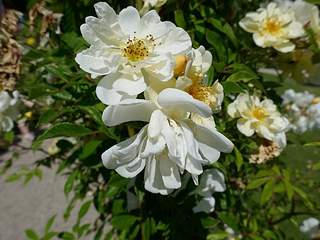
Breeder: Lambert. Year: 1897. Type: Rambler. Colour: Lilac-pink. Scent: Light. USDA zones: 5b-9b.
Rambler; prune out old flowered wood after its summer flush. Full sun in fertile, well-drained soil; train over an arch, pergola or wall and tie in new growth. Prune out old flowered wood after its summer flush; hardy in most of the UK.
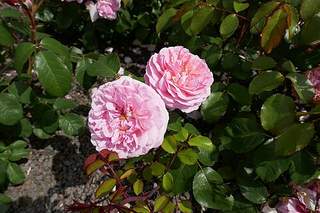
Breeder: Louis Lens. Year: 1982. Type: Shrub. USDA zones: 5-9.
Plant in full sun in fertile, well-drained soil; this hardy shrub needs little winter protection in most of the UK - mulch in autumn, prune lightly in late winter, feed in spring and deadhead for repeat flowering.
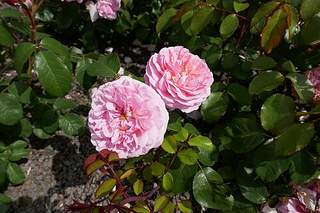
Breeder: Louis Lens. Year: 1982. Type: Hybrid Tea. Colour: Pink. Scent: Moderate. USDA zones: 5-9.
Plant in full sun in rich, well-drained soil with plenty of organic matter. Feed in spring and again in midsummer; water well in dry spells. Prune hard in late winter, cutting back to 3-5 buds. Deadhead spent blooms to encourage repeat flowering. Spray for black spot and mildew in damp UK summers; mulch in autumn.
Breeder: E. Buatois. Year: 1920. Type: Hybrid Tea. Colour: Soft rose with silvery reflexes and carmine petal border. USDA zones: 6–9.
Sunny spot, rich well-drained soil; prune hard in spring, feed and mulch, watch for blackspot and mildew.
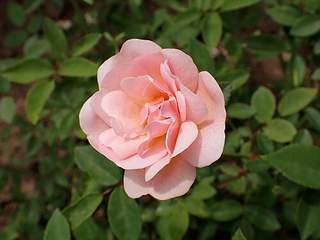
Breeder: Leenders. Year: 1924. Type: Polyantha. Colour: Light pink. USDA zones: 4-9.
Plant in full sun in fertile, free-draining soil; mulch in spring, feed with rose fertiliser, deadhead for repeat flowering and prune in late winter; good air flow helps prevent disease in the UK climate.
Breeder: Louis Lens. Year: 1995. Type: Grandiflora. Colour: Pink. Scent: Moderate. USDA zones: 5-9.
Needs sun, shelter and deep fertile soil. Feed in spring and July. Water at the base in dry weather. Prune moderately in late winter. Deadhead for repeat flowering. Mulch with compost each spring.
Breeder: Lambert. Year: 1904. Type: Multiflora hybrid. Colour: Salmon-pink. USDA zones: 5-9.
Breeder: Peter Lambert. Year: 1915. Type: China. Colour: Coral-red. USDA zones: 7-10.
Breeder: Soupert & Notting. Year: 1910. Type: Hybrid Tea. Colour: White with lemon-yellow centre. USDA zones: 6–9.
Sunny spot, rich well-drained soil; prune hard in spring, feed and mulch, watch for blackspot and mildew.
Breeder: Nicola Welter. Year: 1903. USDA zones: 5–9.
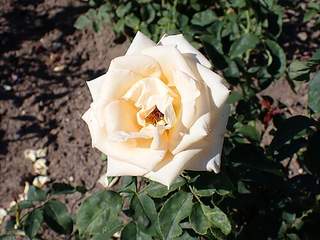
Breeder: Tesan. Year: 1989. USDA zones: 5–9.
Full sun in fertile, well-drained soil; prune in late winter, feed in spring and deadhead for repeat flowering; hardy in most of the UK.
Breeder: John Nieuwesteeg. USDA zones: 5-9.
Plant in full sun in fertile, well-drained soil; feed in spring, prune in late winter, deadhead for repeat flowering and mulch in autumn; watch for black spot and mildew.

Breeder: Kordes. Year: 2009. Type: Climbing. Colour: Pink. Scent: Light. USDA zones: 5b-9b.
Climbing rose; train on a wall or pergola. Full sun for 6+ hours in fertile, moist but well-drained soil; mulch and feed in spring, watering well in dry spells. Train its canes on a trellis, arch or wall, tying in new growth and pruning after flowering; hardy in most of the UK.
Breeder: Meilland. Year: 1999. Type: Shrub. Scent: None. USDA zones: 4-9.
Full sun or light shade; rich, well-drained soil with spring mulch; light pruning in late winter, removing dead and crossing wood; feed in spring; deadhead lightly; watch for blackspot in damp UK summers.
Type: Miniflora. Colour: Orange blend. USDA zones: 5-9.
Plant in full sun in fertile, well-drained soil; a compact miniflora for pots and small borders — prune lightly in late winter, feed in spring and deadhead for repeat flowering; mulch in cold winters.
Year: 2012. Type: Miniflora. Colour: Light yellow. USDA zones: 5-9.
Plant in full sun in fertile, well-drained soil; a compact miniflora for pots and small borders - prune lightly in late winter, feed in spring and deadhead for repeat flowering; mulch in cold winters.
Breeder: Eric Welsh. Year: Before 2001. Type: Patio. Colour: Yellow. USDA zones: 5-9.
Plant in full sun (6+ hours) in fertile, well-drained soil; mulch in spring, feed with rose fertiliser, prune in late winter and deadhead for repeat flowering; give good air flow and watch for black spot and mildew in the UK climate.
Breeder: Jan Spek. Type: Garden rose. USDA zones: 5-9.
Plant in full sun in fertile, humus-rich, moist but well-drained soil; mulch in late winter; feed with rose fertiliser in spring and again in early summer; prune in late winter; good air flow helps prevent disease in the UK climate.
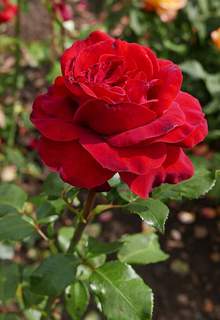
Breeder: Tantau. Type: Hybrid Tea. USDA zones: 5-9.
Plant in full sun in fertile, well-drained soil in a sheltered UK spot; prune in late winter, feed in spring and deadhead for repeat flowering, and mulch in autumn, protecting the graft union in colder areas. Give good air flow and watch for black spot and mildew in damp summers.

Breeder: Kordes. Year: 1979. Type: Hybrid Tea. Colour: Yellow. Scent: Moderate. USDA zones: 5-9.
Plant in full sun in fertile well-drained soil; prune in late winter, feed in spring, and deadhead for repeat Yellow blooms. Give at least 6 hours of sun a day in fertile, humus-rich, moist but well-drained soil in a sheltered UK spot.
Breeder: Soupert & Notting. Year: 1913. Type: Hybrid Tea. Colour: Sulphur-yellow. USDA zones: 5–9.
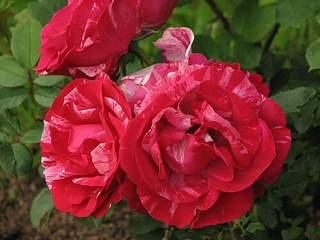
Breeder: Delbard. Year: Unknown. Type: Hybrid Tea. Colour: Red. Scent: Strong. USDA zones: 6b-9b.
Full sun, sheltered, in fertile, well-drained soil; mulch in spring and prune in late winter for strong stems.
Breeder: Dominique Massad. Year: 2013. Type: Shrub. Scent: Strong. USDA zones: 5-9.
Plant in full sun in fertile, well-drained soil and give it space to grow; prune lightly in spring, feed and mulch, and deadhead or leave hips as preferred; hardy in most UK gardens.

Breeder: Unknown. Year: 1863. Type: Moss. Colour: Crimson. Scent: Strong. USDA zones: 4-9.
Once-flowering (some repeat). Full sun in fertile, well-drained soil; the mossy buds are fragrant when touched. Prune after flowering, keep air circulating, and avoid wetting the foliage; mulch in spring.
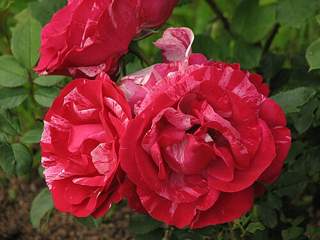
Breeder: Delbard. Year: 1995. Type: Floribunda. Colour: Red-yellow striped. Scent: Moderate. USDA zones: 5-9.
Grow in a sunny, open position in well-fed soil. Water well in dry weather, aiming at the roots. Feed in spring and midsummer. Prune in late winter to keep the bush compact and open. Remove spent flower clusters. Mulch annually with garden compost.
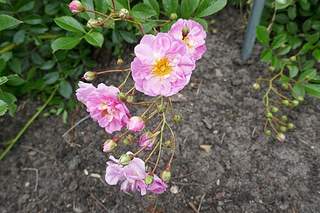
Breeder: Jan Spek. Type: Garden rose. USDA zones: 5-9.
Plant in full sun in fertile, humus-rich, moist but well-drained soil; mulch in late winter; feed with rose fertiliser in spring and again in early summer; prune in late winter; good air flow helps prevent disease in the UK climate.
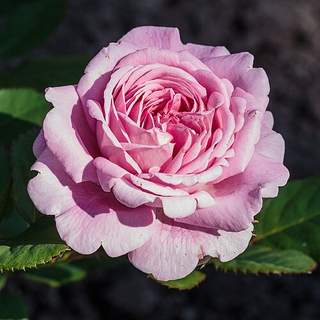
Breeder: Unknown. Year: pre-1830. Type: Gallica. Colour: Pink. Scent: Moderate. USDA zones: 4-8.
Once-flowering in early summer. Full sun in fertile, well-drained soil; tolerates poorer soil and some shade, and suckers freely - give it room. Prune lightly after flowering, removing old wood; very hardy and generally healthy in the UK.
Breeder: Ketten Frères. Type: Tea. Colour: Naples-yellow edged whitish-yellow veined carmine, golden-yellow background.
Needs a warm, sheltered, sunny spot in the UK; fertile well-drained soil; protect from hard frost; prune lightly in spring; best in southern England or against a sheltered wall.

Breeder: Brownell Family. Type: Hybrid Tea. Colour: Deep red. USDA zones: 3-9.
Very hardy to sub-zero winters; full sun, fertile well-drained soil; plant graft 3 inches below soil level; feed in spring; prune in late winter; mulch

Breeder: William A. Warriner. Year: 1995. Type: Hybrid Tea. Colour: Yellow. Scent: Mild. USDA zones: 5-9.
Plant in full sun in fertile, well-drained soil in a sheltered UK spot; prune in late winter, feed in spring and deadhead for repeat flowering, and mulch in autumn, protecting the graft union in colder areas. Give good air flow and watch for black spot and mildew in damp summers.

Breeder: Paul J. Howard. Type: Hybrid Tea. Colour: Peach-pink. Scent: Intensely fragrant. USDA zones: 6b-9b.
Full sun, fertile well-drained soil; feed in spring; prune lightly in late winter; mulch; watch for black spot and mildew
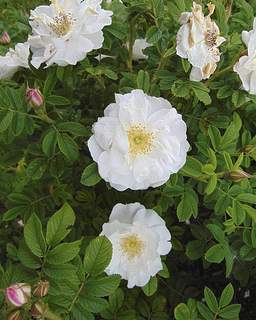
Breeder: Felicitas Svejda. Year: 1976. Type: Shrub. Colour: White. Scent: Strong. USDA zones: 3-9.
Very hardy — Plant in full sun in fertile, well-drained soil; this hardy shrub needs little winter protection in most of the UK — mulch in autumn, prune lightly in late winter, feed in spring and deadhead for repeat flowering.
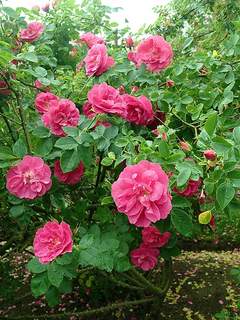
Breeder: Felicitas Svejda. Year: 1984. Type: Climbing. Colour: Red. Scent: Mild. USDA zones: 3-9.
Very hardy — Train over a wall, arch or pergola in full sun in fertile, well-drained soil; tie in new growth, prune out old flowered wood after flowering, feed in spring and mulch in autumn.
Breeder: Cants. Year: 1924. Type: Hybrid Tea. Colour: Red. Scent: Moderate. USDA zones: 5-9.
Plant in full sun in rich, well-drained soil with plenty of organic matter. Feed in spring and again in midsummer; water well in dry spells. Prune hard in late winter, cutting back to 3-5 buds. Deadhead spent blooms to encourage repeat flowering. Spray for black spot and mildew in damp UK summers; mulch in autumn.
Breeder: Spek. Type: Hybrid Tea. Colour: Pink. Scent: Mild. USDA zones: 5-9.
Plant in full sun in fertile well-drained soil; prune in late winter, feed in spring, and deadhead for repeat Pink blooms. This is a florist-bred cut rose, so in the UK give it the warmest sheltered spot and winter mulch; it needs warmth to flower well outdoors. Give at least 6 hours of sun a day in fertile, humus-rich, moist but well-drained soil in a sheltered UK spot.
Breeder: Pedro Dot. Year: 1949. Type: Climbing Hybrid Tea. Colour: Mauve. USDA zones: 6-9.
Breeder: Alister Clark. Year: 1940. Type: Hybrid Tea. Colour: Brilliant red. USDA zones: 6-9.
Plant in full sun in fertile, well-drained soil; prune in late winter, feed in spring, deadhead for repeat flowering and mulch in autumn.

Breeder: M. H. Horvath. Year: 1938. Type: Climber. Colour: Deep pink. USDA zones: 5-9.
Full sun, fertile well-drained soil; train on a support or pillar; prune in late winter; feed in spring; mulch
Breeder: Kordes. Type: Floribunda.
Plant in full sun (6+ hours) in fertile, well-drained soil; prune lightly in late winter, feed in spring, deadhead spent clusters for repeat flowering and mulch in autumn. Give good air flow and watch for black spot in damp summers.
Breeder: Lambert. Year: 1906. Type: Tea. Colour: Yellow. USDA zones: 6-9.
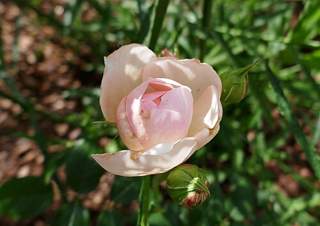
Breeder: David Austin. Year: 1984. Type: English Shrub Rose. Colour: Soft pink. Scent: Strong, myrrh. USDA zones: 5-11.
Full sun for 6+ hours in fertile, moist but well-drained soil; mulch in spring and water well in dry spells. Prune in late winter/early spring, cutting back by about a third, and watch for black spot, to which it can be prone; fully hardy in UK winters.
Breeder: Kordes. Year: 2007. Type: Shrub. Colour: White, pink undertones. Scent: Mild. USDA zones: 5-9.
Plant in full sun in fertile well-drained soil with room to grow; prune lightly in late winter, feed in spring, and deadhead for repeat White, pink undertones flowering. Give at least 6 hours of sun a day in fertile, humus-rich, moist but well-drained soil in a sheltered UK spot.
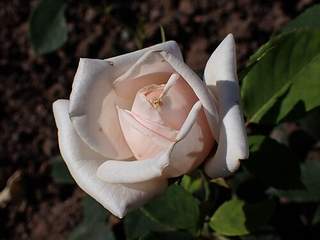
Breeder: Philipp Geduldig. Year: 1906. USDA zones: 5–9.
Breeder: Hermann Kiese. Year: 1910. USDA zones: 5–9.
Breeder: Lambert. Year: 1905. Type: Hybrid Tea. Colour: Salmon-pink. USDA zones: 5-9.
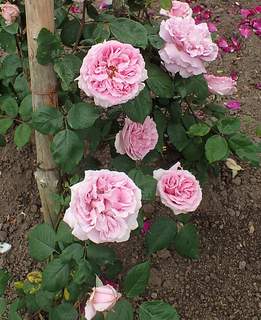
Breeder: Peter Lambert. Year: 1918. Type: Pernetiana. Colour: Salmon-pink. USDA zones: 5-9.
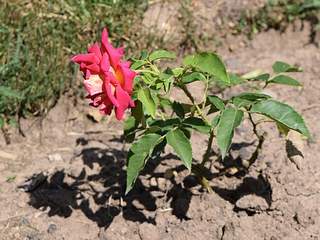
Breeder: V. Berger. Year: 1950. USDA zones: 5–9.
Breeder: Pedro Dot. Year: 1956. Type: Floribunda. Colour: Pink. USDA zones: 6-9.
Breeder: Pedro Dot. Year: 1933. Type: Hybrid Tea. Colour: White. USDA zones: 6-9.
Breeder: Griffith Buck. Year: 1980. Type: Shrub. Colour: Pink. Scent: Mild. USDA zones: 4-9.
Plant in full sun in fertile well-drained soil; mulch in spring and prune lightly in late winter, deadheading for repeat flowering, with good air flow in damp UK summers.
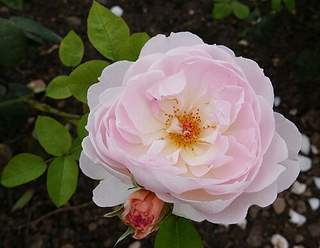
Breeder: Geschwind. Year: 1912. Type: Shrub. USDA zones: 4-9.
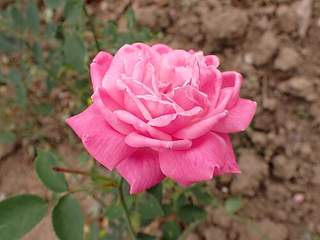
Breeder: Unknown. Year: 1840. Type: Bourbon. Colour: Pink. Scent: Strong. USDA zones: 5-10.
Repeat-flowering. Vigorous, often arching; full sun in fertile, well-drained soil, trained on a wall or pillar if wanted. Prune in late winter, feed in spring, deadhead regularly; watch for black spot and mildew in damp UK summers.
Breeder: George Schoener. Type: Climber. USDA zones: 6b-9b.
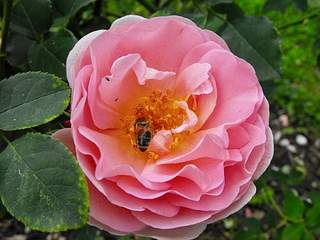
Breeder: David Austin. Year: 1982. Type: English Shrub Rose. Colour: Pink. Scent: Strong. USDA zones: 5-9.
Give sun and deep, fertile soil. Mulch in spring and feed with rose fertiliser. Prune in late winter, thinning the centre to let air in. Deadhead spent blooms where practical. Water during dry spells. Hardy across the UK; protect young plants from strong winds.
Breeder: Dr. Keith W. Zary. Year: 2013. Type: Floribunda. Colour: Purple. Scent: Strong. USDA zones: 5a-9b.
Plant in full sun in fertile, well-drained soil; prune in late winter, feed in spring and deadhead spent clusters for repeat flowering, and mulch in autumn. Give good air flow and watch for black spot in damp summers.
Breeder: Dave Bang. Type: Miniature. Colour: Pink striped. USDA zones: 5-9.
Plant in full sun in fertile, free-draining soil, in a pot or at the front of a border; mulch in spring, feed with rose fertiliser, prune lightly in late winter and deadhead for repeat flowering; good air flow helps prevent disease in the UK climate.
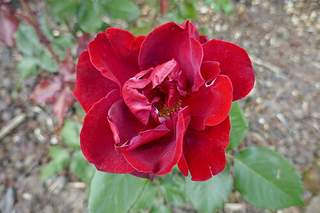
Breeder: Louis Lens. Year: 1960. Type: Hybrid Tea. Colour: Red. Scent: Moderate. USDA zones: 5-9.
Plant in full sun in rich, well-drained soil with plenty of organic matter. Feed in spring and again in midsummer; water well in dry spells. Prune hard in late winter, cutting back to 3-5 buds. Deadhead spent blooms to encourage repeat flowering. Spray for black spot and mildew in damp UK summers; mulch in autumn.
Breeder: Lambert. Year: 1905. Type: Hybrid Tea. Colour: Light yellow. USDA zones: 5-9.
Breeder: Nicola Welter. Year: 1907. USDA zones: 5–9.
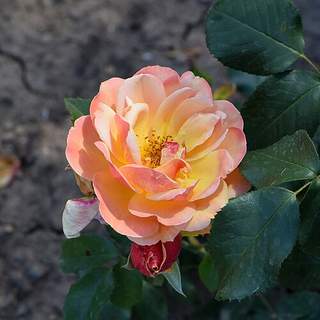
Breeder: Kordes. Year: 1991. Type: Shrub. Colour: Pink. Scent: Mild. USDA zones: 5-9.
Plant in full sun in fertile, well-drained soil; this hardy shrub needs little winter protection in most of the UK - mulch in autumn, prune lightly in late winter, feed in spring and deadhead for repeat flowering.
Breeder: Tantau. Year: 1998. Type: Hybrid Tea. Scent: Light. USDA zones: 5-9.
Full sun in a sheltered spot; rich, well-drained soil with spring mulch; prune in late winter to outward-facing buds; feed in spring and after the first flush; deadhead for repeat flowering; watch for blackspot and mildew in damp UK summers.
Breeder: Geschwind. Year: 1889. Type: Shrub. USDA zones: 4-9.
Breeder: Nicola Welter. Year: 1906. USDA zones: 5–9.
Breeder: Otto Jacobs. Year: 1913. USDA zones: 5–9.
Breeder: Otto Jacobs. Year: 1909. USDA zones: 5–9.
Breeder: Nicola Welter. Year: 1918. USDA zones: 5–9.
Breeder: Kordes. Year: 2026. Type: Floribunda. Colour: Creamy apricot. USDA zones: 5-9.
Plant in full sun in fertile, humus-rich, moist but well-drained soil; mulch in late winter; feed with rose fertiliser in spring and again in early summer; prune in late winter; good air flow helps prevent disease in the UK climate.
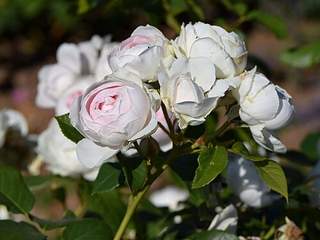
Breeder: Kordes. Year: 2013. Type: Floribunda. Colour: Pink. Scent: Strong. USDA zones: 5b-9b.
Parfuma rose; very fragrant. Full sun for 6+ hours in fertile, moist but well-drained soil; mulch in spring and feed for its heavy flowering, watering in dry spells. Prune lightly in late winter or early spring and deadhead regularly; good disease resistance in most modern floribundas, but still watch for black spot; hardy in most of the UK.
Breeder: Kordes. Year: 2015. Type: Floribunda. Colour: Pink. Scent: Strong. USDA zones: 5b-9b.
Parfuma rose, also sold as Silent Parfuma; very fragrant. Full sun for 6+ hours in fertile, moist but well-drained soil; mulch in spring and feed for its heavy flowering, watering in dry spells. Prune lightly in late winter or early spring and deadhead regularly; good disease resistance in most modern floribundas, but still watch for black spot; hardy in most of the UK.
Breeder: Otto Jacobs. Year: 1911. USDA zones: 5–9.
Breeder: Lambert. Year: 1898. Type: Tea. Colour: Yellow blend. USDA zones: 6-9.
Breeder: Peter Lambert. Year: 1914. Type: Tea. Colour: Cream. USDA zones: 7–10.
Breeder: de Ruiter. Year: Unknown. Type: Hybrid Tea. Colour: Pink. Scent: Light. USDA zones: 6b-9b.
Bred mainly as a cut or florists' rose; in a UK garden give it full sun in fertile, well-drained soil in a sheltered spot, feed in spring, water in dry spells and prune in late winter, and protect from hard frost.
Breeder: Spek. Year: Unknown. Type: Hybrid Tea. Colour: Pink. Scent: Moderate. USDA zones: 6b-9b.
Plant in full sun in a sheltered spot in fertile, humus-rich, moist but well-drained soil; feed in spring and again in early summer, water deeply in dry spells, deadhead spent blooms and prune in late winter to healthy outward buds.
Breeder: Laperrière. Year: Unknown. Type: Hybrid Tea. Colour: Mauve. Scent: Moderate. USDA zones: 6b-9b.
Plant in full sun in a sheltered spot in fertile, humus-rich, moist but well-drained soil; feed in spring and again in early summer, water deeply in dry spells, deadhead spent blooms and prune in late winter to healthy outward buds.
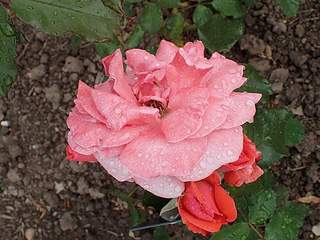
Breeder: Delbard. Year: Before 1958. Type: Hybrid Tea. Colour: Salmon, Orange. Scent: Light. USDA zones: 6-9.
Plant in full sun in fertile, free-draining soil; mulch in spring, feed with rose fertiliser, prune in late winter and deadhead for repeat flowering; good air flow helps prevent disease in the UK climate.
Breeder: Dave Bang. Type: Miniature. Colour: Orange and red striped. USDA zones: 5-9.
Plant in full sun in fertile, free-draining soil, in a pot or at the front of a border; mulch in spring, feed with rose fertiliser, prune lightly in late winter and deadhead for repeat flowering; good air flow helps prevent disease in the UK climate.
Breeder: Ludwig Taschner. Type: Hybrid Tea. USDA zones: 6-9.
Plant in full sun in fertile, humus-rich, moist but well-drained soil; mulch in late winter; feed with rose fertiliser in spring and again in early summer; prune in late winter; good air flow helps prevent disease in the UK climate.
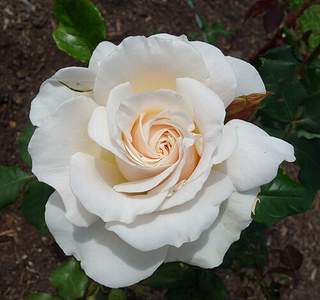
Type: Miniflora. Colour: Light pink. USDA zones: 5-9.
Plant in full sun in fertile, well-drained soil; a compact miniflora for pots and small borders — prune lightly in late winter, feed in spring and deadhead for repeat flowering; mulch in cold winters.
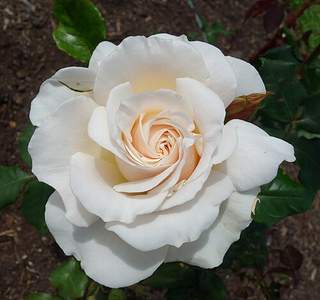
Breeder: Mike Athy. Type: Hybrid Tea. Colour: Silvery lilac. Scent: Strong. USDA zones: 6-9.
Plant in full sun in fertile, well-drained soil in a sheltered UK spot; feed in spring and deadhead for repeat flowering; mulch in autumn as it prefers warmer gardens.
Breeder: Dave Bang. Year: 2015. Type: Floribunda. Colour: White and cream. USDA zones: 5-9.
Plant in full sun in fertile, free-draining soil; mulch in spring, feed with rose fertiliser, prune in late winter and deadhead for repeat flowering; good air flow helps prevent disease in the UK climate.
Breeder: Griffith Buck. Year: 1980. Type: Shrub. Colour: Pink. Scent: Mild. USDA zones: 4-9.
Plant in full sun in fertile well-drained soil; mulch in spring and prune lightly in late winter, deadheading for repeat flowering, with good air flow in damp UK summers.
Breeder: McGredy. Year: 1981. USDA zones: 5-9.
Plant in full sun in fertile, humus-rich, moist but well-drained soil; mulch in late winter; feed with rose fertiliser in spring and again in early summer; prune in late winter; good air flow helps prevent disease in the UK climate.
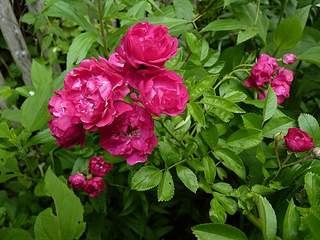
Breeder: Michael Walsh. Year: 1904. Type: Rambler. Colour: Crimson with white eye. Scent: Light. USDA zones: 4-9.
Train over an arch, pergola, fence or wall in full sun in fertile, well-drained soil; flowers once in early summer in a big flush - prune out old flowered wood after flowering, tie in new growth, feed in spring and mulch in autumn.

Breeder: de Ruiter. Year: Unknown. Type: Hybrid Tea. Colour: Pink. Scent: Light. USDA zones: 6b-9b.
Bred mainly as a cut or florists' rose; in a UK garden give it full sun in fertile, well-drained soil in a sheltered spot, feed in spring, water in dry spells and prune in late winter, and protect from hard frost.
Breeder: V. W. Wells. Year: 2006. Type: Miniflora. Colour: Apricot blend. Scent: Strong. USDA zones: 5-9.
Plant in full sun in fertile, well-drained soil; a compact miniflora for pots and small borders — prune lightly in late winter, feed in spring and deadhead for repeat flowering; mulch in cold winters.
Breeder: Rob Somerfield. USDA zones: 6-9.
Plant in full sun in fertile, free-draining soil; mulch in spring, feed with rose fertiliser, prune in late winter and deadhead for repeat flowering; good air flow helps prevent disease in the UK climate.

Breeder: de Ruiter. Year: Unknown. Type: Hybrid Tea. Colour: Pink. Scent: Light. USDA zones: 6b-9b.
Bred mainly as a cut or florists' rose; in a UK garden give it full sun in fertile, well-drained soil in a sheltered spot, feed in spring, water in dry spells and prune in late winter, and protect from hard frost.
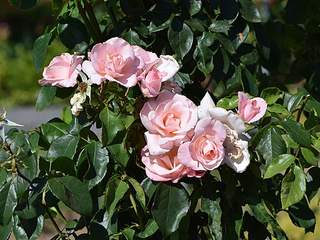
Breeder: Harkness. Year: 1992. Type: Climbing. USDA zones: 5-9.
Plant in full sun in fertile, humus-rich, moist but well-drained soil against a wall, fence or pergola; tie in growth, mulch in spring, feed with rose fertiliser and prune in late winter; good air flow helps prevent disease in the UK climate.
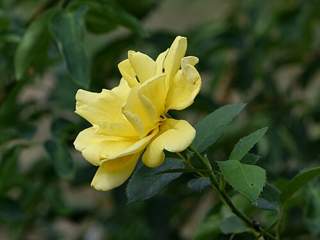
Breeder: Swim. Year: 1948. Type: Hybrid Tea. Colour: Yellow. Scent: Moderate. USDA zones: 5-9.
Plant in full sun in fertile well-drained soil; feed in spring, deadhead for repeat flowering and prune in late winter, with good air flow to limit blackspot in damp UK summers.
Breeder: Dr. Keith W. Zary. Year: 2001. Type: Climbing. Colour: Fuchsia / magenta. USDA zones: 7a-9b.
Train over a wall, arch or pergola in full sun in fertile, well-drained soil; tie in new growth, prune out old flowered wood after flowering, feed in spring and mulch in autumn.
Breeder: W. Millington. Year: 2009. Type: Miniflora. USDA zones: 5-9.
Plant in full sun in fertile, well-drained soil; a compact miniflora for pots and small borders — prune lightly in late winter, feed in spring and deadhead for repeat flowering; mulch in cold winters.
Breeder: Herbert C. Swim. Year: 1959. Type: Hybrid Tea. Colour: Pink blend. USDA zones: 6b-9b.
Plant in full sun in fertile, well-drained soil in a sheltered UK spot; prune in late winter, feed in spring and deadhead for repeat flowering, and mulch in autumn, protecting the graft union in colder areas. Give good air flow and watch for black spot and mildew in damp summers.
Breeder: Bailey. Year: 2014. Type: Shrub. Colour: Yellow. Scent: Mild. USDA zones: 4-9.
Full sun (6+ hours) in fertile, moist but well-drained soil in a sheltered UK spot; mulch in spring, feed in spring and early summer, and water in dry spells. Prune lightly in late winter, removing dead and crossing wood, and deadhead for repeat flowering.
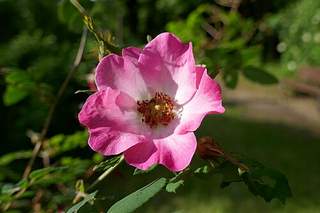
Breeder: Unknown. Type: Species. Colour: Deep pink-red. USDA zones: 5-9.
Species rose. Very hardy and tough; full sun or light shade in well-drained soil, tolerating poor soil. Needs little pruning - remove dead wood after flowering; leave hips for wildlife and autumn colour.
Breeder: Peter Beales. Type: Shrub. USDA zones: 5-9.
Plant in full sun in fertile, free-draining soil; mulch in spring, feed with rose fertiliser, prune in late winter and deadhead for repeat flowering; good air flow helps prevent disease in the UK climate.
Breeder: Delbard. Year: 1992. Type: Hybrid Tea. Colour: Ivory, Crimson. Scent: Light. USDA zones: 6-9.
Plant in full sun in fertile, free-draining soil; mulch in spring, feed with rose fertiliser, prune in late winter and deadhead for repeat flowering; good air flow helps prevent disease in the UK climate.
Breeder: Schreurs. Year: Unknown. Type: Hybrid Tea. Colour: Pink. Scent: Light. USDA zones: 6b-9b.
Bred mainly as a cut or florists' rose; in a UK garden give it full sun in fertile, well-drained soil in a sheltered spot, feed in spring, water in dry spells and prune in late winter, and protect from hard frost.
Breeder: William J. Radler. Year: 2006. Type: Climbing. Colour: Deep pink. Scent: Mild. USDA zones: 5b-11.
Train over a wall, arch or pergola in full sun in fertile, well-drained soil; tie in new growth, prune out old flowered wood after flowering, feed in spring and mulch in autumn.
Breeder: Alister Clark. Year: 1935. USDA zones: 6-9.
Lost to cultivation - no plants in commerce and no reliable UK care record survives; listed for reference only, so no care details are given rather than inventing them.
Breeder: Allan Read. Year: 2002. USDA zones: 5-9.
Breeder: Dickson. Year: 1912. USDA zones: 5-9.
Breeder: W. Millington. Year: 2009. Type: Miniflora. USDA zones: 5-9.
Plant in full sun in fertile, well-drained soil; a compact miniflora for pots and small borders — prune lightly in late winter, feed in spring and deadhead for repeat flowering; mulch in cold winters.
Breeder: Frank Benardella. Year: 1999. Type: Miniature. Colour: Red blend. USDA zones: 5-9.
Plant in full sun in fertile, free-draining soil, in a pot or at the front of a border; mulch in spring, feed with rose fertiliser, prune lightly in late winter and deadhead for repeat flowering; good air flow helps prevent disease in the UK climate.
Breeder: Lambert. Year: 1909. Type: Rugosa hybrid. Colour: Carmine-red. USDA zones: 4-9.
Breeder: Howard & Smith. Year: 1946. Type: Hybrid Tea. USDA zones: 6b-9b.
Full sun, fertile well-drained soil; feed in spring; prune lightly in late winter; mulch; watch for black spot and mildew
Breeder: Laperrière. Year: Unknown. Type: Hybrid Tea. Colour: Pink. Scent: Moderate. USDA zones: 6b-9b.
Plant in full sun in a sheltered spot in fertile, humus-rich, moist but well-drained soil; feed in spring and again in early summer, water deeply in dry spells, deadhead spent blooms and prune in late winter to healthy outward buds.
Breeder: Ludwig Taschner. Type: Hybrid Tea. Colour: Light pink to cream. USDA zones: 6-9.
Plant in full sun in fertile, humus-rich, moist but well-drained soil; mulch in late winter; feed with rose fertiliser in spring and again in early summer; prune in late winter; good air flow helps prevent disease in the UK climate.
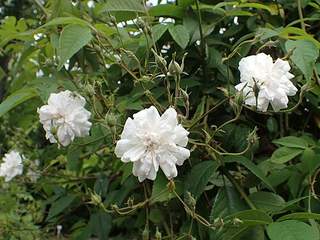
Breeder: Unknown. Year: 1820. Type: Rambler. Colour: White. Scent: Strong. USDA zones: 5-9.
Train over a wall, arch or pergola in full sun in fertile, well-drained soil; tie in new growth, prune out old flowered wood after flowering, feed in spring and mulch in autumn.
Breeder: Keisei Rose Nursery. USDA zones: 6-9.
Plant in full sun (6+ hours) in fertile, well-drained soil; mulch in spring, feed with rose fertiliser, prune in late winter and deadhead for repeat flowering; give good air flow and watch for black spot and mildew in the UK climate.
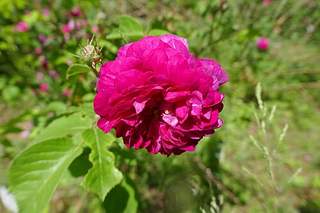
Breeder: Geschwind. Year: 1895. Type: Shrub. Colour: Pink. Scent: Light. USDA zones: 5b-9b.
Now lost or out of commerce; no reliable modern UK care record survives for this rose, so no specific thrive advice can be given – do not invent care details for it.
Breeder: Hideo Ogata. Year: 2021. Type: Polyantha. Colour: Light Pink. USDA zones: 6-9.
Bred for Japan's hot, humid summers; in the UK give full sun in fertile, free-draining soil in a sheltered spot, mulch in spring, feed with rose fertiliser, prune in late winter and deadhead for repeat flowering; good air flow helps prevent disease.
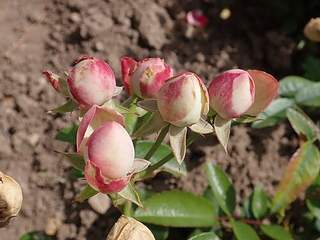
Breeder: Hermann Kiese. Year: 1916. USDA zones: 5–9.

Breeder: Unknown. Year: pre-1820. Type: Gallica. Colour: Deep pink. Scent: Strong. USDA zones: 4-8.
Once-flowering in early summer. Full sun in fertile, well-drained soil; tolerates poorer soil and some shade, and suckers freely - give it room. Prune lightly after flowering, removing old wood; very hardy and generally healthy in the UK.

Breeder: Lacharme. Year: 1874. Type: Hybrid Perpetual. USDA zones: 4-9.
Breeder: Kazuzo Tagashira. Type: Shrub. USDA zones: 6-9.
Plant in full sun in fertile, free-draining soil; mulch in spring, feed with rose fertiliser, prune in late winter and deadhead for repeat flowering; good air flow helps prevent disease in the UK climate.
Breeder: McGredy. Year: 1909. USDA zones: 5-9.
Breeder: Harkness. Year: 2026. Type: Persica Floribunda. Colour: Soft pink warming through amber to creamy salmon-orange with a bold burgundy.
Plant in full sun in fertile, free-draining soil; mulch in spring, feed with rose fertiliser, prune in late winter and deadhead for repeat flowering; good air flow helps prevent disease in the UK climate.
Breeder: Tantau. Year: 2002. Type: Hybrid Tea. Scent: Light. USDA zones: 5-9.
Full sun in a sheltered spot; rich, well-drained soil with spring mulch; prune in late winter to outward-facing buds; feed in spring and after the first flush; deadhead for repeat flowering; watch for blackspot and mildew in damp UK summers.
Breeder: Dickson. USDA zones: 5-9.
Breeder: Keiji Kunieda. Year: 2013. Type: Shrub. Colour: Pink. USDA zones: 6-9.
Plant in full sun in fertile, well-drained soil; mulch in spring, feed with rose fertiliser, prune in late winter and deadhead for repeat flowering; give good air flow to help prevent disease in the UK climate.
Breeder: McGredy. Year: 1990. USDA zones: 5-9.
Plant in full sun in fertile, humus-rich, moist but well-drained soil; mulch in late winter; feed with rose fertiliser in spring and again in early summer; prune in late winter; good air flow helps prevent disease in the UK climate.
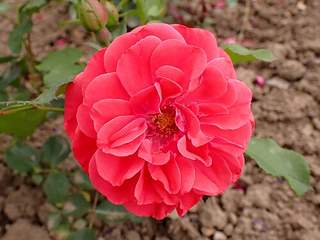
Breeder: Tantau. Type: Miniature. USDA zones: 5-9.
Grow in full sun in fertile, well-drained soil or a pot with good drainage; prune lightly in late winter, feed in spring, deadhead for repeat flowering and protect pots from hard frost.
Breeder: Kordes. Year: 2000. Type: Florists Rose. Colour: Red-yellow striped. Scent: Light. USDA zones: 5b-9b.
Florists rose; in the garden treat as a floribunda. Full sun for 6+ hours in fertile, moist but well-drained soil; mulch in spring and feed in spring and early summer. Prune in late winter or early spring and deadhead for repeat flowering; hardy in most of the UK.
Breeder: Peter Lambert. Year: 1917. Type: Multiflora Hybrid Climber. Colour: Apricot blush. USDA zones: 5-9.
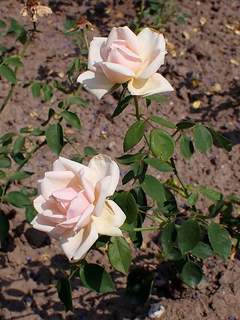
Breeder: Lambert. Year: 1899. Type: Hybrid Tea. Colour: Yellow blend. USDA zones: 5-9.
Breeder: Johannes Felberg-Leclerc. Year: 1914. Colour: Bright salmon-pink with yellow centres, outer petals shaded red. Scent: Fragrant. USDA zones: 5–9.
Breeder: de Ruiter. Year: Unknown. Type: Hybrid Tea. Colour: Pink. Scent: Light. USDA zones: 6b-9b.
Bred mainly as a cut or florists' rose; in a UK garden give it full sun in fertile, well-drained soil in a sheltered spot, feed in spring, water in dry spells and prune in late winter, and protect from hard frost.
Year: 2020. Type: Miniature. Colour: Dark deep pink. USDA zones: 5-9.
Plant in full sun in fertile, well-drained soil; a compact miniature for pots and small borders — prune lightly in late winter, feed in spring and deadhead for repeat flowering; mulch in cold winters.
Breeder: Jan Böhm. Year: 1956. USDA zones: 5–9.
Full sun in fertile, well-drained soil; prune in late winter, feed in spring and deadhead for repeat flowering; hardy in most of the UK.
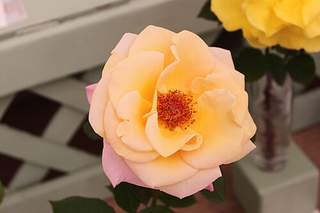
Breeder: Eugene S. Boerner. Year: 1948. Type: Floribunda. Colour: Deep pink, yellow reverse. USDA zones: 6b-9b.
Plant in full sun in fertile, well-drained soil; prune in late winter, feed in spring and deadhead spent clusters for repeat flowering, and mulch in autumn. Give good air flow and watch for black spot in damp summers.
Breeder: Interplant. Year: 2014. Type: Hybrid Tea. Colour: Cream with pink centre. USDA zones: 5-9.
Plant in full sun in fertile, well-drained soil in a sheltered UK spot; prune in late winter, feed in spring, and deadhead for repeat flowering. Watch for black spot and mildew in damp summers; mulch in autumn.
Breeder: Tom Carruth. Year: 2018. Type: Floribunda. Colour: Yellow blend, pink shading. Scent: Mild. USDA zones: 5-9.
Plant in full sun in fertile, well-drained soil; prune in late winter, feed in spring and deadhead spent clusters for repeat flowering, and mulch in autumn. Give good air flow and watch for black spot in damp summers.
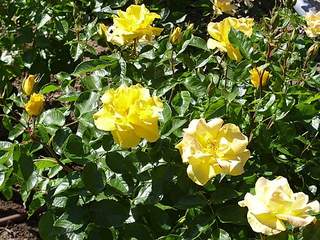
Breeder: Kordes. Year: 1938. Type: Floribunda. Colour: Carmine-red. Scent: Mild. USDA zones: 5-9.
Plant in full sun in fertile well-drained soil; prune in late winter, feed in spring, and deadhead spent clusters for repeat Carmine-red flowering. Give at least 6 hours of sun a day in fertile, humus-rich, moist but well-drained soil in a sheltered UK spot.
Breeder: Jack E. Christensen. Year: 1978. Type: Miniature. Colour: Apricot blend. USDA zones: 5-9.
Plant in full sun in fertile, free-draining soil, in a pot or at the front of a border; mulch in spring, feed with rose fertiliser, prune lightly in late winter and deadhead for repeat flowering; good air flow helps prevent disease in the UK climate.
Breeder: Dr B. P. Pal. Type: Hybrid Tea. USDA zones: 7-9.
Plant in full sun in a warm, sheltered spot in fertile, free-draining soil; mulch in spring, feed with rose fertiliser, prune lightly in late winter and deadhead for repeat flowering; protect from hard frost in colder UK areas, as warm-climate roses are less hardy in the UK.
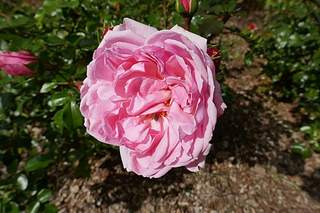
Breeder: Kordes. Type: Floribunda. USDA zones: 5-9.
Plant in full sun in fertile, well-drained soil; prune in late winter, feed in spring and deadhead spent clusters for repeat flowering, and mulch in autumn. Give good air flow and watch for black spot in damp summers.
Breeder: Tom Carruth. Year: 2018. Type: Floribunda. Colour: Pink. Scent: Mild. USDA zones: 5-9.
Plant in full sun in fertile, well-drained soil; prune in late winter, feed in spring and deadhead spent clusters for repeat flowering, and mulch in autumn. Give good air flow and watch for black spot in damp summers.
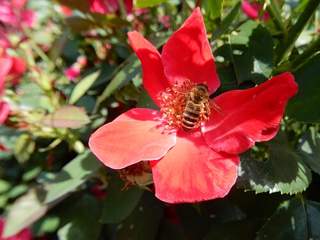
Breeder: Weeks. Year: 2001. Type: Shrub. Colour: Red. Scent: Light. USDA zones: 4-9.
Full sun in fertile free-draining soil; very disease resistant, so just mulch in spring and prune lightly in late winter for a tidy repeat-flowering shrub.
Breeder: Dümmen Orange. Type: Hybrid Tea. Colour: Yellow. USDA zones: 5-9.
Plant in full sun in fertile, humus-rich, moist but well-drained soil; mulch in late winter; feed with rose fertiliser in spring and again in early summer; prune in late winter; good air flow helps prevent disease in the UK climate.
Breeder: Delbard. Type: Shrub. Colour: Red. Scent: Mild. USDA zones: 5-9.
Plant in full sun in fertile, well-drained soil; this hardy shrub needs little winter protection in most of the UK - mulch in autumn, prune lightly in late winter, feed in spring and deadhead for repeat flowering.
Breeder: Delbard. Year: 2005. Type: Shrub. Colour: Deep red. Scent: Moderate. USDA zones: 5-9.
Give sun and deep, fertile soil. Mulch in spring and feed with rose fertiliser. Prune in late winter, thinning the centre to let air in. Deadhead spent blooms where practical. Water during dry spells. Hardy across the UK; protect young plants from strong winds.
Breeder: George Schoener. Type: Hybrid Tea. Colour: Creamy yellow with shrimp pink shadings.
Full sun, fertile well-drained soil; feed in spring; prune lightly in late winter; mulch; watch for black spot and mildew
Breeder: Cants. Year: 1916. Type: Hybrid Tea. Colour: Pink. Scent: Moderate. USDA zones: 5-9.
Plant in full sun in fertile well-drained soil; prune in late winter, feed in spring, and deadhead for repeat Pink blooms. An old Cants rose, now rarely in commerce; if found, grow as above and watch for mildew and black spot in damp UK summers. Give at least 6 hours of sun a day in fertile, humus-rich, moist but well-drained soil in a sheltered UK spot.
Breeder: Jack E. Christensen. Year: 1978. Type: Miniature. Colour: Dark red. USDA zones: 5-9.
Plant in full sun in fertile, free-draining soil, in a pot or at the front of a border; mulch in spring, feed with rose fertiliser, prune lightly in late winter and deadhead for repeat flowering; good air flow helps prevent disease in the UK climate.
Breeder: Christensen. Year: 1978. Type: Miniature. Colour: Deep crimson. USDA zones: 5-9.
Plant in full sun in fertile, well-drained soil; a compact miniature for pots, rockeries and small borders — prune lightly in late winter, feed in spring and deadhead for repeat flowering; mulch in cold winters; keep well watered in pots as miniatures dry out fast.
Breeder: Dr. Keith W. Zary. Year: 2019. Type: Floribunda. Colour: Salmon-pink. USDA zones: 5b-9b.
Plant in full sun in fertile, well-drained soil; prune in late winter, feed in spring and deadhead spent clusters for repeat flowering, and mulch in autumn. Give good air flow and watch for black spot in damp summers.
Breeder: Dr. Keith W. Zary. Year: 2019. Type: Grandiflora. Colour: Yellow. USDA zones: 5-9.
Plant in full sun in fertile, well-drained soil in a sheltered UK spot; prune in late winter, feed in spring and deadhead for repeat flowering, and mulch in autumn. Tall stems benefit from a sheltered position out of strong wind.
Breeder: Tom Carruth. Year: 2020. Type: Shrub.
Plant in full sun in fertile, well-drained soil; this hardy shrub needs little winter protection in most of the UK — mulch in autumn, prune lightly in late winter, feed in spring and deadhead for repeat flowering.
Breeder: Dr. Keith W. Zary. Year: 1992. Type: Floribunda. Colour: Yellow blend. USDA zones: 6b-9.
Plant in full sun in fertile, well-drained soil; prune in late winter, feed in spring and deadhead spent clusters for repeat flowering, and mulch in autumn. Give good air flow and watch for black spot in damp summers.
Breeder: A.E. & A.W. Ellis. Year: 1973. Type: Floribunda. Colour: Yellow. Scent: Strong. USDA zones: 6b-9b.
Plant in full sun in fertile, well-drained soil; prune in late winter, feed in spring and deadhead spent clusters for repeat flowering, and mulch in autumn. Give good air flow and watch for black spot in damp summers.
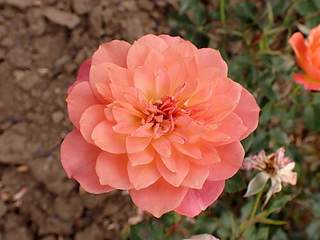
Breeder: Unknown. Type: Miniature. Colour: Salmon-yellow. Scent: Moderate. USDA zones: 5-9.
Plant in full sun in fertile, well-drained soil; a compact rose for pots and small borders - prune lightly in late winter, feed in spring and deadhead for repeat flowering; mulch in cold winters.
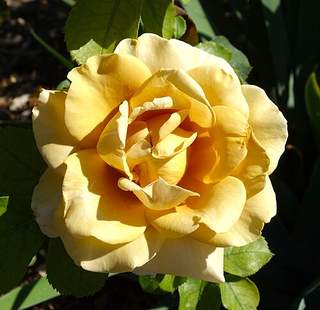
Breeder: Barni. Type: Shrub. Colour: Yellow. USDA zones: 5-9.
Plant in full sun in fertile, well-drained soil; this hardy shrub needs little winter protection in most of the UK - mulch in autumn, prune lightly in late winter, feed in spring and deadhead for repeat flowering.
Breeder: Eugene S. Boerner. Year: 1956. Type: Floribunda. Colour: Yellow, buff shading. USDA zones: 6b-9b.
Plant in full sun in fertile, well-drained soil; prune in late winter, feed in spring and deadhead spent clusters for repeat flowering, and mulch in autumn. Give good air flow and watch for black spot in damp summers.
Breeder: Spek. Year: Unknown. Type: Hybrid Tea. Colour: Honey-yellow. Scent: Moderate. USDA zones: 6b-9b.
Plant in full sun in a sheltered spot in fertile, humus-rich, moist but well-drained soil; feed in spring and again in early summer, water deeply in dry spells, deadhead spent blooms and prune in late winter to healthy outward buds.
Breeder: William J. Radler. Year: 2001. Type: Grandiflora. Colour: Bright orange to apricot. USDA zones: 5a-9a.
Plant in full sun in fertile, well-drained soil in a sheltered UK spot; prune in late winter, feed in spring and deadhead for repeat flowering, and mulch in autumn. Tall stems benefit from a sheltered position out of strong wind.

Breeder: Jackson & Perkins. Year: 2004. Type: Floribunda. Colour: Apricot yellow. Scent: Strong. USDA zones: 5-9.
Full sun in rich well-drained soil with spring mulch; deadhead for continuous bloom and water in dry spells, pruning lightly in late winter.
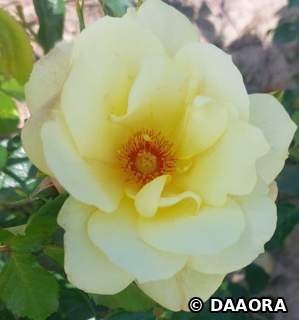
Breeder: Dickson. Year: 2023. Type: Floribunda. Colour: Yellow. Scent: Moderate. USDA zones: 5-9.
Plant in full sun in fertile well-drained soil; mulch in spring and deadhead spent clusters for repeat flowering, with good air circulation to reduce blackspot in wet UK summers.
Breeder: D. Zlesak. Year: 2003. Type: Miniflora. Colour: Apricot blend. USDA zones: 5-9.
Plant in full sun in fertile, well-drained soil; a compact miniflora for pots and small borders — prune lightly in late winter, feed in spring and deadhead for repeat flowering; mulch in cold winters.
Breeder: Frank Riethmuller. Year: 1957. Type: Floribunda. Colour: Pale pink. USDA zones: 5-9.
Plant in full sun in fertile, free-draining soil; mulch in spring, feed with rose fertiliser, deadhead for repeat flowering and prune in late winter; good air flow helps prevent disease in the UK climate.
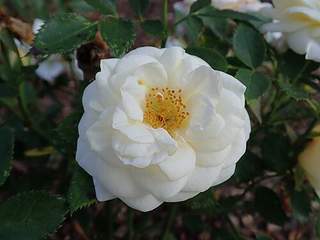
Breeder: Tantau. Year: 2002. Type: Miniature. Colour: Milk white-cream. Scent: Mild. USDA zones: 5-9.
Grow in a sunny border or large pot in fertile well-drained soil; prune lightly in late winter, feed in spring, and deadhead for repeat Milk white-cream blooms. Give at least 6 hours of sun a day in fertile, humus-rich, moist but well-drained soil in a sheltered UK spot.
Breeder: Kordes. Year: 1956. Type: Floribunda. Colour: Yellow. Scent: Mild. USDA zones: 6-9.
Plant in full sun in fertile, well-drained soil; prune in late winter, feed in spring and deadhead spent clusters for repeat flowering, and mulch in autumn. Give good air flow and watch for black spot in damp summers.
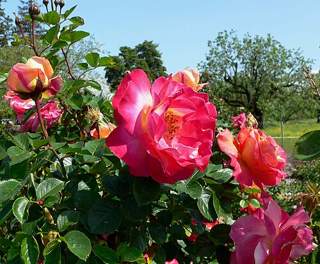
Breeder: Griffith Buck. Year: 1984. Type: Shrub. Colour: Red-orange. Scent: Strong. USDA zones: 4-9.
Full sun in fertile free-draining soil; hardy and disease resistant, so just mulch in spring and prune lightly for repeat bloom in the UK.
Breeder: Pedro Dot. Year: 1962. Type: Hybrid Tea. Colour: Yellow and red. USDA zones: 5-9.
Needs a warm, sunny, sheltered spot in the UK; plant in free-draining soil, feed in spring, deadhead regularly, prune in late winter and protect from hard frost.
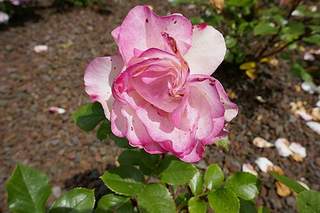
Breeder: Shunsuke Takeuchi. Year: 2004. USDA zones: 6-9.
Bred for Japan's hot, humid summers; in the UK give full sun in fertile, free-draining soil in a sheltered spot, mulch in spring, feed with rose fertiliser, prune in late winter and deadhead for repeat flowering; good air flow helps prevent disease.
Breeder: Interplant. Year: 2006. Type: Hybrid Tea. Scent: Moderate. USDA zones: 6-9.
Plant in full sun in fertile well-drained soil in a sheltered UK spot; feed in spring and deadhead for repeat flowering, and mulch in autumn.
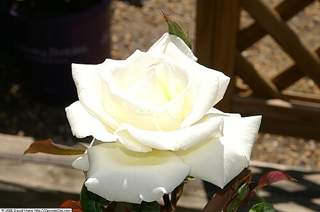
Breeder: William Warriner. Year: 1980. Type: Hybrid Tea. Colour: White. Scent: Mild. USDA zones: 6-9.
Grow in full sun in fertile, well-drained soil with good air flow. Feed in spring, prune in late winter and deadhead through the season for clean white blooms.
Breeder: Poulsen. Year: 2008. Type: Patio. Colour: Pink. Scent: Mild. USDA zones: 5-9.
Full sun in a pot or patio bed in free-draining compost or fertile soil; keep pots watered in dry weather and feed through summer. Prune lightly in late winter and deadhead for repeat flowering; protect pots from hard frost.
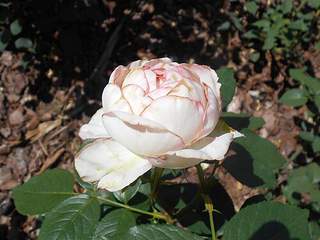
Breeder: Meilland. Year: 1998. Type: Hybrid Tea. Colour: Pink. Scent: Strong. USDA zones: 5-9.
Plant in full sun in fertile well-drained soil; prune in late winter, feed in spring, and deadhead for repeat Pink blooms. Give at least 6 hours of sun a day in fertile, humus-rich, moist but well-drained soil in a sheltered UK spot.
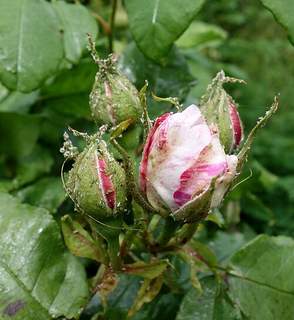
Breeder: Unknown. Year: pre-1916. Type: Bourbon. Colour: Pink striped. Scent: Strong. USDA zones: 5-10.
Repeat-flowering. Vigorous, often arching; full sun in fertile, well-drained soil, trained on a wall or pillar if wanted. Prune in late winter, feed in spring, deadhead regularly; watch for black spot and mildew in damp UK summers.
Breeder: Dickson. Year: 1905. USDA zones: 5-9.
Breeder: F. Dorner & Sons. Year: 1915. Type: Hybrid Tea. Colour: Glowing crimson-scarlet with darker shadings. Scent: Fragrant.
Full sun, fertile well-drained soil; feed in spring; prune lightly in late winter; mulch; watch for black spot and mildew
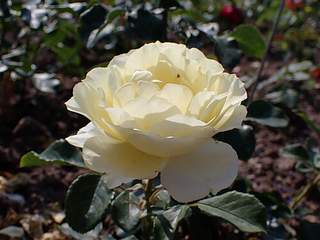
Breeder: George Thomson. Year: 2001. Type: Shrub. USDA zones: 6-9.
Plant in full sun in fertile, humus-rich, moist but well-drained soil; mulch in spring; feed with rose fertiliser in spring and again in early summer; prune in late winter; good air flow helps prevent disease in the UK climate.
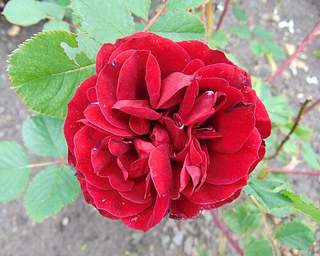
Breeder: Felicitas Svejda. Year: 1995. Type: Shrub. Colour: Red. Scent: Mild. USDA zones: 3-9.
Very hardy — Plant in full sun in fertile, well-drained soil; this hardy shrub needs little winter protection in most of the UK — mulch in autumn, prune lightly in late winter, feed in spring and deadhead for repeat flowering.
Breeder: Jack E. Christensen. Year: 1979. Type: Miniature. Colour: Medium yellow. USDA zones: 5-9.
Plant in full sun in fertile, free-draining soil, in a pot or at the front of a border; mulch in spring, feed with rose fertiliser, prune lightly in late winter and deadhead for repeat flowering; good air flow helps prevent disease in the UK climate.
Breeder: Takunori Kimura. Year: 2014. Colour: Peach-pink. USDA zones: 6-9.
Bred for Japan's hot, humid summers; in the UK give full sun in fertile, free-draining soil in a sheltered spot, mulch in spring, feed with rose fertiliser, prune in late winter and deadhead for repeat flowering; good air flow helps prevent disease.
Breeder: Conard-Pyle. Year: 1945. Type: Hybrid Tea. USDA zones: 5-9.
Plant in full sun in fertile, well-drained soil; prune in late winter and feed in spring, and deadhead for repeat flowering; mulch in autumn and give good air flow to help prevent disease in the UK climate.
Breeder: Vibert. Year: 1834. USDA zones: 4-9.
Breeder: Laperrière. Year: 1989. Type: Hybrid Tea. Colour: Yellow-pink. Scent: Moderate. USDA zones: 6b-9b.
Plant in full sun in a sheltered spot in fertile, humus-rich, moist but well-drained soil; feed in spring and again in early summer, water deeply in dry spells, deadhead spent blooms and prune in late winter to healthy outward buds.
Breeder: Pedro Dot. Year: 1952. Type: Hybrid Tea. Colour: Salmon-pink. USDA zones: 6-9.
Breeder: McGredy. Year: 1991. USDA zones: 5-9.
Plant in full sun in fertile, humus-rich, moist but well-drained soil; mulch in late winter; feed with rose fertiliser in spring and again in early summer; prune in late winter; good air flow helps prevent disease in the UK climate.
Breeder: Weeks Roses. Type: Miniature. USDA zones: 5-10.
Full sun; ideal in pots or at the front of a border; well-drained compost; protect pots from hard frost; water regularly in containers; light pruning in spring.
Breeder: McGredy. Year: 1998. USDA zones: 5-9.
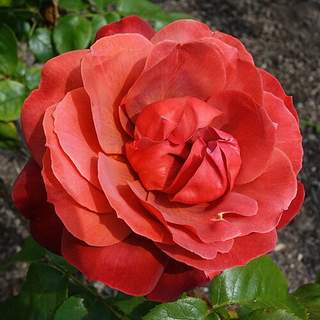
Breeder: Nola Simpson. Type: Hybrid Tea. Colour: Brown-red. Scent: Moderate. USDA zones: 5-9.
Plant in full sun in fertile, well-drained soil; prune in late winter, feed in spring, deadhead for repeat flowering and mulch in autumn.

Breeder: Tom Carruth. Year: 2002. Type: Floribunda. Colour: Chocolate-orange. Scent: Mild. USDA zones: 5-10.
Plant in full sun in fertile well-drained soil; deadhead and feed in spring and summer for its unusual russet-orange repeat blooms.
Breeder: Dr. Keith W. Zary. Year: 1997. Type: Miniature. Colour: Orange or orange-red. USDA zones: 6b-9b.
Grow in full sun in fertile, well-drained soil or a pot with good drainage; prune lightly in late winter, feed in spring, deadhead for repeat flowering and protect pots from hard frost.
Breeder: de Ruiter. Year: Unknown. Type: Hybrid Tea. Colour: Red. Scent: Light. USDA zones: 6b-9b.
Bred mainly as a cut or florists' rose; in a UK garden give it full sun in fertile, well-drained soil in a sheltered spot, feed in spring, water in dry spells and prune in late winter, and protect from hard frost.
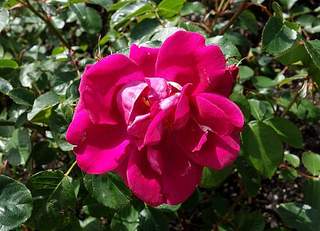
Breeder: Tantau. Type: Floribunda. USDA zones: 5-9.
Plant in full sun in fertile, well-drained soil; prune in late winter, feed in spring and deadhead spent clusters for repeat flowering, and mulch in autumn. Give good air flow and watch for black spot in damp summers.
Breeder: Dümmen Orange. Year: 2026. Type: Hybrid Tea. Colour: Red. USDA zones: 5-9.
A cut-flower rose bred for warm-climate production; in the UK grow under glass or in a warm sheltered sunny spot in fertile, well-drained soil, feed in spring and prune lightly - not a hardy garden rose in cold districts.
Breeder: Dave Bang. Year: 2015. Type: Miniature. Colour: Apricot and orange striped with yellow.
Plant in full sun in fertile, free-draining soil, in a pot or at the front of a border; mulch in spring, feed with rose fertiliser, prune lightly in late winter and deadhead for repeat flowering; good air flow helps prevent disease in the UK climate.
Breeder: R. Poulsen. Year: 2005. Type: Miniflora. Colour: Deep pink. USDA zones: 5-9.
Plant in full sun in fertile, well-drained soil; a compact miniflora for pots and small borders — prune lightly in late winter, feed in spring and deadhead for repeat flowering; mulch in cold winters.
Breeder: Keith Zary. Year: 2000. Type: Hybrid Tea. Colour: Pink. Scent: Moderate. USDA zones: 5-9.
Plant in full sun in fertile well-drained soil; feed in spring, deadhead for repeat flowering and prune in late winter, with good air flow to limit blackspot in damp UK summers.
Breeder: Tantau. Type: Floribunda. USDA zones: 5-9.
Plant in full sun in fertile, well-drained soil; prune in late winter, feed in spring, and deadhead spent blooms for repeat flowering. Give good air flow and watch for black spot in damp UK summers; mulch in autumn.
Breeder: Ralph Moore. Year: 1978. Type: Miniature. Colour: Orange-red. Scent: Mild. USDA zones: 5-9.
Full sun in a pot or at the front of a border in free-draining compost or soil; keep pots watered in dry weather and feed through summer. Prune lightly in late winter, deadhead spent blooms, and protect pots from hard frost in colder UK areas.
Breeder: Mitchie Moe. Year: 2006. Type: Miniflora. Colour: Orange-red. Scent: Mild. USDA zones: 5-9.
Plant in full sun in fertile, free-draining soil, in a pot or at the front of a border; mulch in spring, feed with rose fertiliser, prune lightly in late winter and deadhead for repeat flowering; good air flow helps prevent disease in the UK climate.
Breeder: Rob Somerfield. Type: Floribunda. Colour: Orange-apricot. Scent: Strong. USDA zones: 6-9.
Plant in full sun in fertile, free-draining soil; mulch in spring, feed with rose fertiliser, prune in late winter and deadhead for repeat flowering; good air flow helps prevent disease in the UK climate.
Breeder: Orard. Year: 2001. Type: Hybrid Tea. Colour: Pink. Scent: Moderate. USDA zones: 6b-9b.
Plant in full sun in a sheltered spot in fertile, humus-rich, moist but well-drained soil; feed in spring and again in early summer, water deeply in dry spells, deadhead spent blooms and prune in late winter to healthy outward buds.
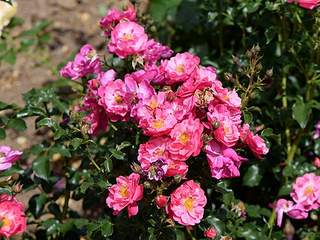
Breeder: Kordes. Year: 2009. Type: Groundcover. Colour: Pink. Scent: Mild. USDA zones: 5-9.
Full sun in free-draining fertile soil; a very disease-resistant groundcover for borders, slopes and containers in the UK. Needs only spring mulch and a light trim, with good air flow in damp summers.
Breeder: Kordes. Year: 2020. Type: Miniature. Colour: Pink. USDA zones: 5-9.
Plant in full sun in fertile, well-drained soil; a compact miniature for pots and small borders — prune lightly in late winter, feed in spring and deadhead for repeat flowering; mulch in cold winters.
Breeder: NIRP International. Type: Hybrid Tea. Colour: Pink. USDA zones: 5-9.
A cut-flower rose bred for warm-climate production; in the UK grow under glass or in a warm sheltered sunny spot in fertile, well-drained soil, feed in spring and prune lightly - not a hardy garden rose in cold districts.
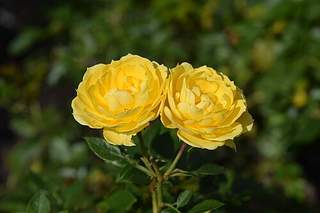
Breeder: R. Harkness. Year: 1995. Type: Miniflora. Colour: Medium yellow. USDA zones: 5-9.
Plant in full sun in fertile, well-drained soil; a compact miniflora for pots and small borders — prune lightly in late winter, feed in spring and deadhead for repeat flowering; mulch in cold winters.
Breeder: George Thomson. Year: 1998. Type: Floribunda. Colour: Apricot blend. USDA zones: 6-9.
Plant in full sun in fertile, humus-rich, moist but well-drained soil; mulch in spring; feed with rose fertiliser in spring and again in early summer; prune in late winter; good air flow helps prevent disease in the UK climate.
Breeder: M.M. Gryshko National Botanical Garden. USDA zones: 5–9.
Bred for cold continental winters; full sun in fertile, well-drained soil; feed in spring, prune in late winter and mulch in autumn; hardy in most of the UK.
Breeder: Poulsen. Year: 2010. Type: Miniature. Colour: Pink. Scent: Mild. USDA zones: 5-9.
Full sun in a pot or at the front of a border in free-draining compost or soil; keep pots watered in dry weather and feed through summer. Prune lightly in late winter, deadhead spent blooms, and protect pots from hard frost in colder UK areas.
Breeder: Jiang Zhengzhi. Colour: Lavender. USDA zones: 6-9.
Bred for hot, humid summers in China; in the UK give full sun in fertile, free-draining soil in a sheltered spot, mulch in spring, feed with rose fertiliser, prune in late winter and deadhead for repeat flowering; good air flow helps prevent disease.
Breeder: Jan Böhm. Year: 1935. USDA zones: 5–9.
Full sun in fertile, well-drained soil; prune in late winter, feed in spring and deadhead for repeat flowering; hardy in most of the UK.
Breeder: Dickson. Year: 1904. Type: Hybrid Tea. Colour: Crimson. Scent: Strong. USDA zones: 5-9.
Breeder: Dickson. Year: 1905. USDA zones: 5-9.
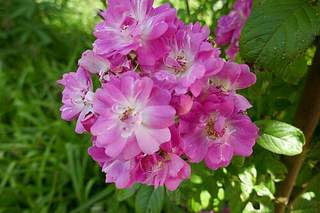
Breeder: Soupert & Notting. Year: 1910. USDA zones: 5-9.
Breeder: Ralph Moore. Year: 1975. Type: Miniature. Colour: Orange. Scent: Mild. USDA zones: 5-9.
Grow in full sun in fertile, well-drained soil or a pot with good drainage; prune lightly in late winter, feed in spring, deadhead for repeat flowering and protect pots from hard frost.
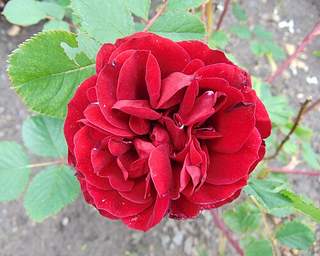
Breeder: R. Harkness. Year: 1995. Type: Miniflora. Colour: Dark red. Scent: Light. USDA zones: 5-9.
Plant in full sun in fertile, well-drained soil; a compact miniflora for pots and small borders — prune lightly in late winter, feed in spring and deadhead for repeat flowering; mulch in cold winters.
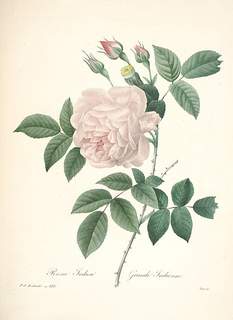
Breeder: Unknown. Year: 1810. Type: China. Colour: Blush pink. Scent: Moderate. USDA zones: 7-10.
Repeat-flowering almost continuously. Needs a warm, sunny, sheltered spot in fertile, well-drained soil; tender in cold UK winters, so mulch well and avoid frost pockets. Prune lightly in spring and deadhead often.
Breeder: McGredy. USDA zones: 5-9.
Breeder: Peter Beales. Year: 1980. Type: Moss. Colour: Pink. Scent: Strong. USDA zones: 5-9.
A shrub rose for a sunny or lightly shaded border in rich, moisture-retentive soil. Feed in spring and mulch to keep roots cool and moist. Light pruning after flowering or in late winter; remove crossing stems. Water well while establishing. Generally hardy and disease-resistant in UK gardens.
Breeder: McGredy. Year: 1951. USDA zones: 5-9.
Breeder: Tom Carruth. Type: Hybrid Tea. USDA zones: 5-9.
Full sun in a sheltered spot; rich, well-drained soil with spring mulch; prune hard in late winter to early spring; feed in spring and after the first flush; watch for blackspot and mildew in damp UK summers; water in dry spells.
Breeder: David Austin. Year: 2006. Type: English Shrub Rose. Colour: Pink. Scent: Moderate. USDA zones: 5-9.
Plant in full sun or light shade in fertile, well-drained soil. Feed in spring; mulch with compost or well-rotted manure. Water in dry spells, especially in the first year. Prune lightly in late winter, removing dead and weak wood and shaping the bush. Deadhead for repeat flowering. Tolerates a range of UK soils.
Breeder: Tom Carruth. Year: 2015. Type: Shrub. Colour: Yellow, pink edges. USDA zones: 5-9.
Plant in full sun in fertile, well-drained soil; this hardy shrub needs little winter protection in most of the UK — mulch in autumn, prune lightly in late winter, feed in spring and deadhead for repeat flowering.
Breeder: Poulsen. Year: 2006. Type: Floribunda. Scent: Moderate. USDA zones: 5-9.
Full sun; rich, well-drained soil with spring mulch; light to moderate pruning in late winter; feed in spring and after the first flush; deadhead to encourage repeat flowering; watch for blackspot in damp UK summers.
Breeder: McGredy. Year: 1990. Type: Floribunda. Colour: Red and white striped. Scent: Mild. USDA zones: 5-9.
Plant in full sun in fertile well-drained soil; mulch in spring and deadhead spent clusters for repeat flowering, with good air circulation to reduce blackspot in wet UK summers.
Breeder: R. Tucker. Year: 2008. Type: Miniflora. Colour: Yellow blend. USDA zones: 5-9.
Plant in full sun in fertile, well-drained soil; a compact miniflora for pots and small borders — prune lightly in late winter, feed in spring and deadhead for repeat flowering; mulch in cold winters.
Breeder: Jan Böhm. Year: 1936. USDA zones: 5–9.
Full sun in fertile, well-drained soil; prune in late winter, feed in spring and deadhead for repeat flowering; hardy in most of the UK.
Breeder: Szilveszter Györy. Year: 2003. Type: Miniature. USDA zones: 5–9.
Miniature rose: full sun in fertile, well-drained soil in a pot or sheltered bed; water freely in dry spells, feed in spring and deadhead; protect from hard frost in colder UK areas.
Breeder: Jean Laffay. Year: 1830. Type: Hybrid Perpetual. USDA zones: 5-9.
Breeder: David Austin. Year: 2004. Type: English Shrub Rose. Colour: Mid pink. Scent: Light Fruity. USDA zones: 5-11.
Give 6+ hours of sun in fertile moist well-drained soil; mulch in spring and water in dry spells. Prune in late winter or early spring and watch for black spot; it is very tough and disease-resistant.
Breeder: Jan Spek. Type: Garden rose. USDA zones: 6-9.
Plant in full sun in fertile, free-draining soil; mulch in spring, feed with rose fertiliser, deadhead for repeat flowering and prune in late winter; good air flow helps prevent disease in the UK climate.
Breeder: Jackson & Perkins. Type: Hybrid Tea. USDA zones: 5-9.
Full sun in a sheltered spot; rich, well-drained soil with spring mulch; prune hard in late winter to early spring; feed in spring and after the first flush; watch for blackspot and mildew in damp UK summers; water in dry spells.